Ghana's Health Ministry is advocating for the integration of traditional medicine into the country's mainstream healthcare system. Deputy Health Minister, Prof. Dr. Grace Ayensu-Danquah, believes that scientifically validated traditional medicine can widen access to care if products meet strict scientific and safety standards. This move is expected to provide Ghanaians with a broader range of treatment options.
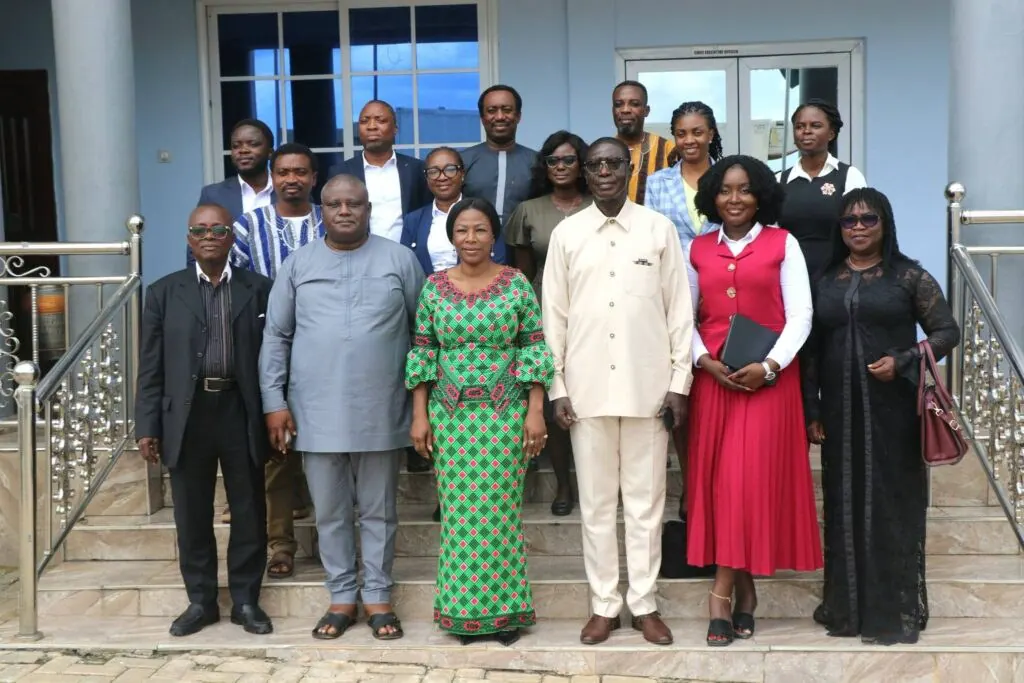
Ayensu-Danquah visited the Centre of Awareness (COA) Research and Manufacturing Company in the Central Region to assess their compliance with Good Manufacturing Practices (GMP). She pointed to China as a country that has successfully integrated traditional and conventional medicine into its healthcare system. According to Ayensu-Danquah, closer collaboration between Ghana's traditional and conventional health sectors can improve overall healthcare outcomes.
The push for traditional medicine integration is linked to the government's Free Primary Healthcare programme, which emphasizes preventive and promotive care. Ayensu-Danquah sees an opportunity to examine how traditional medicine can support primary healthcare delivery, particularly in areas such as non-communicable diseases like hypertension and diabetes. However, she stresses that traditional remedies must meet required standards for safety, quality, and effectiveness.
During her visit, Ayensu-Danquah inspected the COA facility to ensure compliance with GMP, a key hurdle for traditional medicine manufacturers. COA's Chief Executive Officer, Prof. (HC) Samuel Ato Duncan, welcomed the government's efforts to develop the traditional medicine sector. He emphasized the need for continued research and collaboration between traditional medicine practitioners, researchers, and government institutions.
The integration of traditional medicine into Ghana's healthcare system signals a potential shift in how healthcare is delivered, particularly in communities where traditional remedies are widely used. If traditional medicine is formally folded into the health system with proper oversight, patients can gain access to a broader range of treatment options subject to safety and quality checks.
Ayensu-Danquah assured that the Ministry of Health will continue working with stakeholders to strengthen research, quality assurance, manufacturing, and regulation within the traditional medicine sector. The ministry's goal is to build a healthcare system where traditional and conventional medicine can safely complement each other, grounded in scientific evidence and regulatory standards.
While no specific date has been given for the introduction of a formal integration policy or regulatory framework, the ministry has outlined a plan to continue collaboration with stakeholders in the sector. The integration of traditional medicine into Ghana's healthcare system is expected to improve healthcare outcomes and provide patients with more treatment options.
Key points
- The Ghanaian government is pushing for the integration of traditional medicine into the mainstream healthcare system, citing China's model as an example.
- Deputy Health Minister Prof. Dr. Grace Ayensu-Danquah emphasizes the need for scientifically validated traditional medicine to meet strict safety and quality standards.
- The integration of traditional medicine is expected to improve healthcare outcomes and provide patients with a broader range of treatment options.