The Ghana Education Service (GES) has initiated investigations into allegations that some senior high school head teachers are selling items listed in the national harmonised prospectus to parents. According to the GES Public Relations Officer, Mr Daniel Fenyi, some school heads have already been contacted and warned as part of the preliminary investigations. The GES is conducting background checks and engaging some heads before deciding on further administrative action.
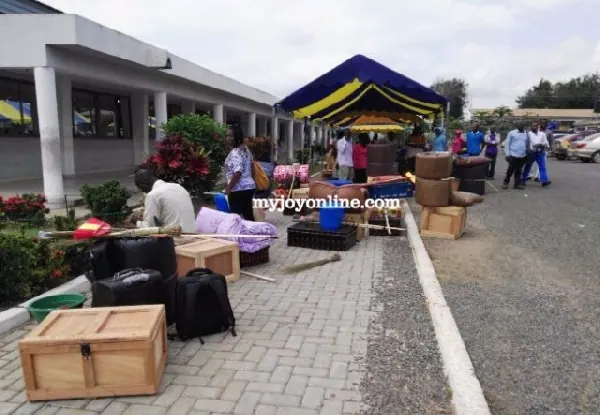
The investigations follow concerns over the implementation of the 2026/2027 SHS admission requirements, which were released on September 3, 2026. The national harmonised prospectus lists essential items required by students entering public senior high schools and senior high technical schools. These items include clothing, footwear, toiletries, and school bags, as well as specified materials for use at school. Mr Fenyi emphasised that the release of the prospectus does not authorise school heads to sell the listed items to parents.
Mr Fenyi clarified that most of the items listed in the prospectus are available on the open market, and parents should be allowed to purchase them from suppliers of their choice. He noted that schools could specify requirements, such as the colour of checks, shoes, or belts, but should not compel parents to buy the items from the schools. The GES has received complaints from parents who claim that some items sold by schools cost more than the same items on the open market.
The GES position follows a directive issued to heads of SHSs and SHTSs on September 18, 2026, after reports that some schools were imposing unauthorised charges and compelling parents to purchase items directly from the schools. Mr Fenyi warned that no child should be prevented from attending school because a parent could not afford an item. He stressed that access to senior high school remained free, and heads were not expected to demand money from students as a condition for accessing education.
Mr Fenyi cautioned that where investigations establish that a head had turned the institution into a commercial operation, the GES could take further action, including removal from office. He said some cases were still at the preliminary stage, where the Service could engage the affected heads, issue warnings, or stop the practice before stronger sanctions became necessary. The GES aims to prevent a situation where a child remains at home because the family cannot afford an item being sold by a school.
Meanwhile, the National Vice-President of the Conference of Heads of Assisted Secondary Schools (CHASS), Togbe Foe Tsali, has raised concerns over delays in the supply of uniforms to some schools. He noted that some second-year students were still wearing checks because their school uniforms had not been supplied. Togbe Foe Tsali questioned the practicality and hygiene implications of students relying on a single check throughout the school week while waiting for the government-provided uniforms.
The General Secretary of the National PTA Council, Mr Raphael Kofi Gapson, called for stronger engagement among the GES, school authorities, and parents. He suggested that clearer communication could help prevent misunderstandings over admissions and the requirements placed on families. Togbe Foe Tsali welcomed the clarification from the GES and urged school heads to take the warnings seriously, ensuring that no child is left out of school due to financial difficulties.
Key points
- GES investigates SHS heads for selling prospectus items to parents.
- No child should be prevented from attending school due to financial constraints.
- Delays in uniform supply to some schools raise concerns.