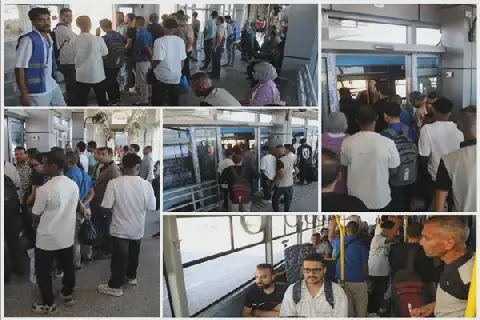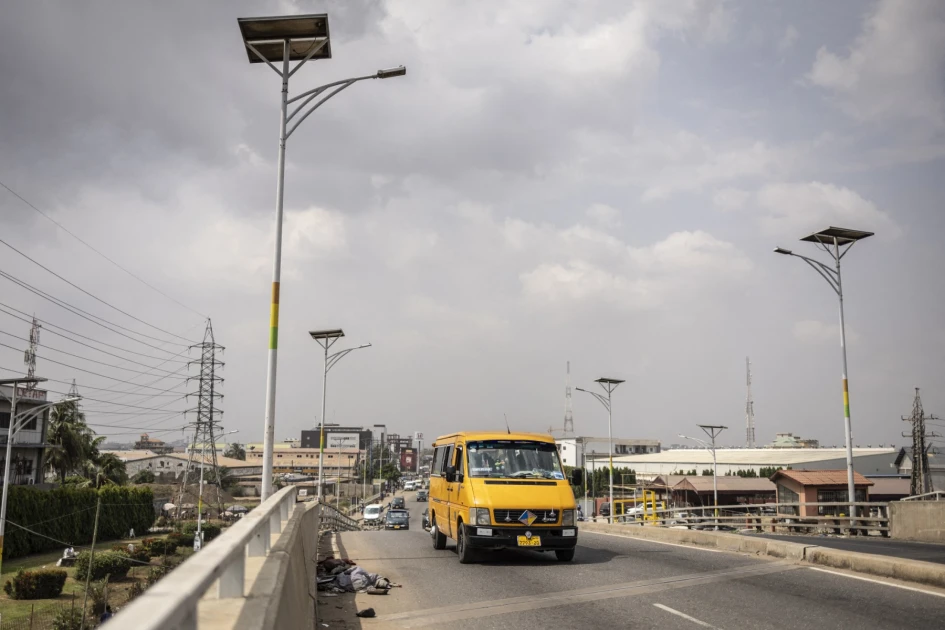
The Ghanaian government has begun enforcing regulations that prohibit religious preaching inside moving public and commercial vehicles. This move is part of the country's 2026 Road Traffic Regulations, introduced in May, and a nationwide awareness campaign to improve compliance with traffic laws. The regulations aim to address various issues affecting public transport, including hawking in moving vehicles and overcharging passengers.
Under the new regulations, preaching or hawking in a moving public or commercial vehicle is considered a nuisance. Offenders can face a fine of up to $52 or up to eight months in prison, or both. Transport Minister Joseph Bukari Nikpe emphasized the need for drivers, road users, and transport industry stakeholders to understand the law and its implementation. The focus on preaching has drawn attention, as sermons are common on Ghana's commercial buses.
The rule applies regardless of the preacher's faith and does not restrict preaching generally, but prohibits it while a public or commercial vehicle is moving. According to Ghanaian authorities, the restriction aims to protect passengers and prevent distractions that could affect drivers. However, the move has sparked discussions about religious freedom, particularly in a country where Christianity is widely practiced.
Ghana's constitution protects freedom of religion, although that right is subject to the rights and freedoms of other people. This has led to differing views on how the restriction should be applied on public transport. Some Ghanaians support the restriction, citing the need to protect passengers from unwanted preaching, while others argue that sharing their faith is an essential part of religious practice.
The current enforcement push is not the first attempt to stop preaching on public transport in Ghana. The practice has faced restrictions since 2012, but weak enforcement has allowed it to continue, particularly on public buses. The government has launched a nationwide awareness campaign to educate drivers and passengers about the new regulations.
The restriction on preaching has brought attention to the role of religion in public life in Ghana. While some people see the restriction as a necessary measure to maintain public order, others view it as an infringement on their right to freedom of expression. The debate highlights the complexities of balancing individual rights with the need to maintain public safety and order.
As the government continues to enforce the regulations, Ghanaians will be watching closely to see how the restriction is implemented and its impact on public transport and religious freedom. The country's transport ministry will need to strike a balance between enforcing the law and respecting the rights of drivers and passengers.
Key points
- The Ghanaian government has introduced regulations prohibiting religious preaching in moving public and commercial vehicles.
- The restriction aims to protect passengers and prevent distractions that could affect drivers.
- The move has sparked discussions about religious freedom and the balance between individual rights and public safety.