A proposal to make mixed-gender presidential tickets mandatory in Ghana has sparked debate. The idea is to strengthen the country's commitment to gender equality and promote the empowerment of both women and men in national leadership. Currently, no sovereign state has made it a constitutional requirement for the President and Vice President to be of opposite sexes, presenting Ghana with an opportunity to break new ground and set a global benchmark for gender-balanced leadership.
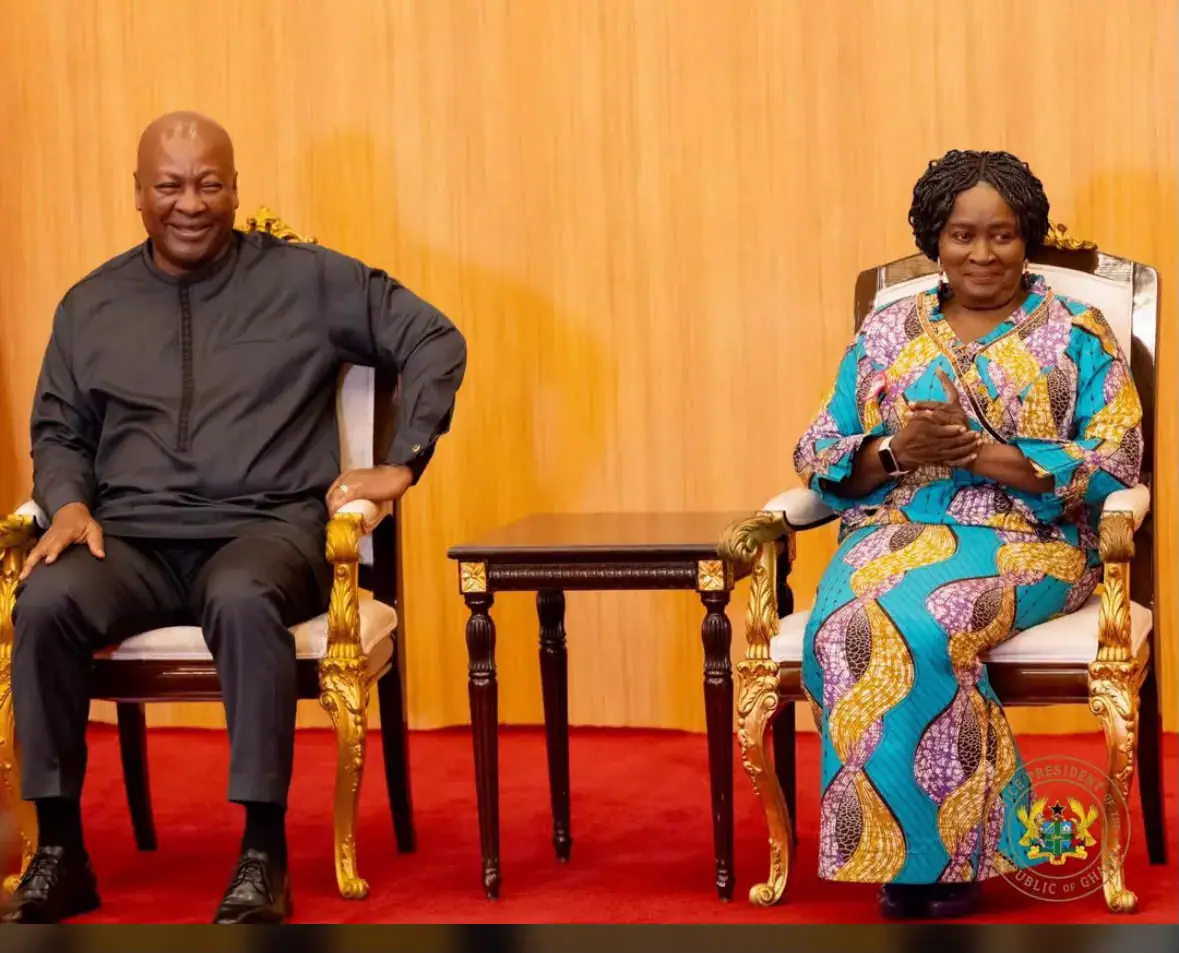
The discussion around mandatory mixed-gender presidential tickets comes on the back of Ghana's recent progress in promoting gender inclusion. In 2024, the country elected its first female Vice President, Jane Naana Opoku-Agyemang. Her appointment has inspired many women and girls to see themselves as capable of reaching the highest levels of leadership. The 2024 elections marked a historic turning point for Ghana, and some argue that the country should build on this achievement rather than reversing the progress made.
Ghana's Affirmative Action (Gender Equity) Act, 2024 (Act 1121), aims to achieve gender equality and representation across public and private sectors. The Act sets progressive targets for female representation in decision-making and public and private institutions: 30 per cent representation between 2024 and 2026, 35 per cent between 2027 and 2028, and a gradual increase to 50 per cent gender parity between 2029 and 2034.
While these targets are commendable, some argue that the highest office of the land should have been the starting point for institutionalizing gender equality. A constitutional requirement for a gender-balanced presidential ticket would not only demonstrate Ghana's commitment to equity but also provide a clear roadmap for implementation across all sectors. Leadership sets the tone for society, and making mixed-gender presidential tickets mandatory would transform the Presidency into both a symbol of inclusion and a practical mechanism for advancing gender balance.
Proponents of the proposal argue that a gender-balanced presidency would not be a symbolic gesture but a deliberate recognition of the value that both women and men bring to governance. The country's current mode of empowering women seems progressive, but some believe it can be given a stronger motivation, which would help the collective agenda of empowering the girl child. A legal requirement for mixed-gender presidential tickets would ensure that the Presidency serves as a driver of implementation and a strong incentive for achieving gender representation targets.
The discussion around mandatory mixed-gender presidential tickets has sparked debate, with some arguing that it would strengthen Ghana's commitment to gender equality. The country's democratic system should reflect the principle of partnership between men and women as a foundation for social progress. The Presidency should not be the preserve of one gender; rather, it should embody the partnership of both men and women.
The proposal to make mixed-gender presidential tickets mandatory has the potential to position Ghana as a global leader and model for inclusive governance. If implemented, it would mark a significant turning point in Ghana's journey toward gender inclusion, reinforcing the country's collective commitment to creating equal opportunities for all.
Key points
- The proposal aims to strengthen Ghana's commitment to gender equality and promote the empowerment of both women and men in national leadership.
- Ghana's Affirmative Action Act sets progressive targets for female representation in decision-making and public and private institutions.
- A constitutional requirement for a gender-balanced presidential ticket would provide a clear roadmap for implementation across all sectors.