Ghana's journey towards nuclear power has been decades in the making, with the country's first steps dating back to 1961 under President Kwame Nkrumah. The Ghana Nuclear Reactor Project was established to develop human resources and technical knowledge necessary for nuclear electricity generation. Although Nkrumah's overthrow in 1966 interrupted the early nuclear power agenda, Ghana's scientific work in nuclear technology continued. The establishment of the Ghana Atomic Energy Commission provided an institutional foundation for the country's nuclear ambitions.
In 1994, the Ghana Research Reactor, GHARR-1, achieved first criticality and was formally commissioned in 1995. The reactor served research and training purposes, giving Ghanaian scientists practical experience in reactor operations and nuclear applications. This experience helped strengthen the country's technical foundation for future development. The modern policy drive towards nuclear electricity gained renewed momentum during the energy difficulties of the 2000s. In 2007, President John Agyekum Kufuor's administration established a presidential committee to assess the potential role of nuclear power.
The committee's recommendations informed Cabinet's decision in 2008 to include nuclear energy in Ghana's electricity generation mix. Successive administrations continued the preparatory work, with a major legal development coming in 2015 with the passage of the Nuclear Regulatory Authority Act, Act 895. The Act established an independent regulatory authority and provided a framework for licensing, inspection, enforcement, and protection from radiation risks. This legal foundation is central to the credibility of Ghana's ambitions.
Ghana's preparations have also undergone international scrutiny, with the International Atomic Energy Agency conducting an Integrated Nuclear Infrastructure Review in 2017 and a follow-up mission in 2019. In 2022, under President Nana Addo Dankwa Akufo-Addo, Ghana formally announced its transition into Phase Two of the programme, involving preparatory work towards construction. The latest commitment under President John Dramani Mahama's administration provides an opportunity to move that work forward with a defined funding proposal and timetable.
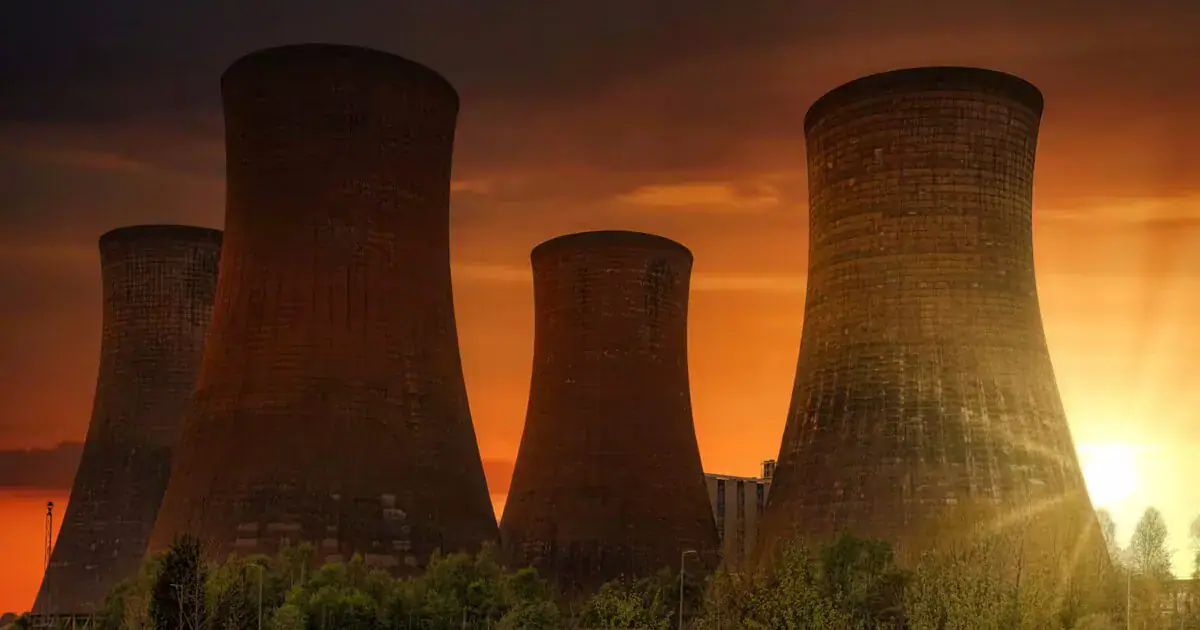
The 2027 Budget proposes $200 million for a 24-month nuclear readiness programme, running from January 2027 to December 2028. The preparations include site studies, technology selection, environmental assessment, financing, licensing, safeguards, emergency planning, and safety case. The stated target is to complete readiness and sign an engineering, procurement, construction, and financing contract for a fully state-owned nuclear power plant by December 2028.
It is essential to note that the $200 million is intended for readiness activities, representing preparatory expenditure rather than the full construction cost of a nuclear plant. The Budget also recognises that completing readiness in 2028 does not mean nuclear electricity generation will begin in that year. The quality of preparation will influence the project's eventual cost, safety, financing, and delivery.
A nuclear programme can create work across engineering, construction, environmental management, law, finance, security, and technical services. The extent to which Ghanaians benefit will depend on deliberate training, credible local participation requirements, and opportunities for domestic businesses. Governance is fundamental to the success of this investment, with transparent procurement, rigorous technology assessment, and financing terms that protect the public interest guiding implementation.
Key points
- Ghana commits $200 million to nuclear power readiness activities.
- The programme aims to complete readiness and sign a construction contract by December 2028.
- Nuclear power is being considered as part of Ghana's long-term electricity planning to support industrialisation and economic transformation.