The Ghana Audit Service is set to introduce a new electronic tracker to monitor the implementation of audit recommendations, aiming to ensure that audit findings lead to corrective action and the recovery of public funds. The tracker, expected to be rolled out next month, will allow the Audit Service, the Public Accounts Committee, and the public to monitor the progress of recommendations contained in audit reports. This move is part of the Service's efforts to strengthen accountability oversight in public institutions.
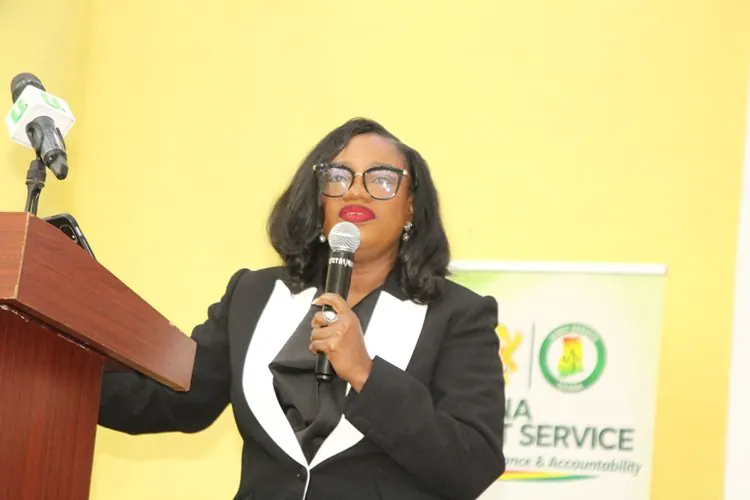
The Auditor-General, Dr. Pamela Graham, announced this initiative at the launch of the 2026 Financial Year Audit in Accra. The event, held on the theme "Strengthening accountability oversight in public institutions: Building trust through collaboration and action," brought together stakeholders to discuss the importance of accountability and collaboration in ensuring public funds are used efficiently. Dr. Graham emphasized that an audit report should be the beginning of action rather than the end of the accountability process.
The electronic tracker will provide information on which recommendations have been implemented, those outstanding, and the reasons for delays, as well as recoverable amounts identified, pursued, and recovered. It will also show corrective, administrative, and disciplinary measures taken, where applicable. This initiative is one of five pillars guiding the 2026 audit cycle, which includes continuous engagement, timeliness, technology, people, and impact.
The Ghana Audit Service audited over 7,000 institutions annually and generated 21 reports for Parliament in the previous year. As of August 2026, the Service had recovered GH¢17.6 billion and saved the country from making wrongful payments. Dr. Graham reaffirmed her commitment to exercising constitutional powers of disallowance and surcharge where audits establish that expenditure has been made contrary to law.
The Chairman of the event, Prof. Francis Dodoo, stressed the importance of integrity in the work of the Audit Service and maintaining public confidence in the institution. He called on the Service to investigate concerns over reports that some audits conducted during the COVID-19 era might not have been reported. Prof. Dodoo also advocated for firm action against the misappropriation of public funds.
The Member of Parliament for Atiwa West, Mrs. Abena Osei-Asare, emphasized that accountability should begin before the Auditor-General arrives at a public institution. She urged institutions to ensure that transactions are authorized, contracts documented, procurement rules followed, assets recorded, and accounts reconciled. Mrs. Osei-Asare called for stronger collaboration among management, internal auditors, the Audit Service, Parliament, and enforcement institutions.
Stakeholders, including Dr. David Ofosu-Dorte, called for greater public involvement in accountability and further modernization of the Audit Service. They urged the Service to strengthen public education, accelerate the adoption of digital and computer-assisted auditing tools, and continuously train audit personnel. Dr. Graham announced that the Service would expand its use of data analytics, information-system auditing, forensic tools, and properly governed artificial intelligence to identify anomalies and control weaknesses earlier.
Key points
- The Ghana Audit Service to introduce an electronic tracker to monitor audit recommendations and recover public funds.
- The tracker will allow the Audit Service, the Public Accounts Committee, and the public to monitor the progress of recommendations contained in audit reports.
- The Service had recovered GH¢17.6 billion and saved the country from making wrongful payments as of August 2026.