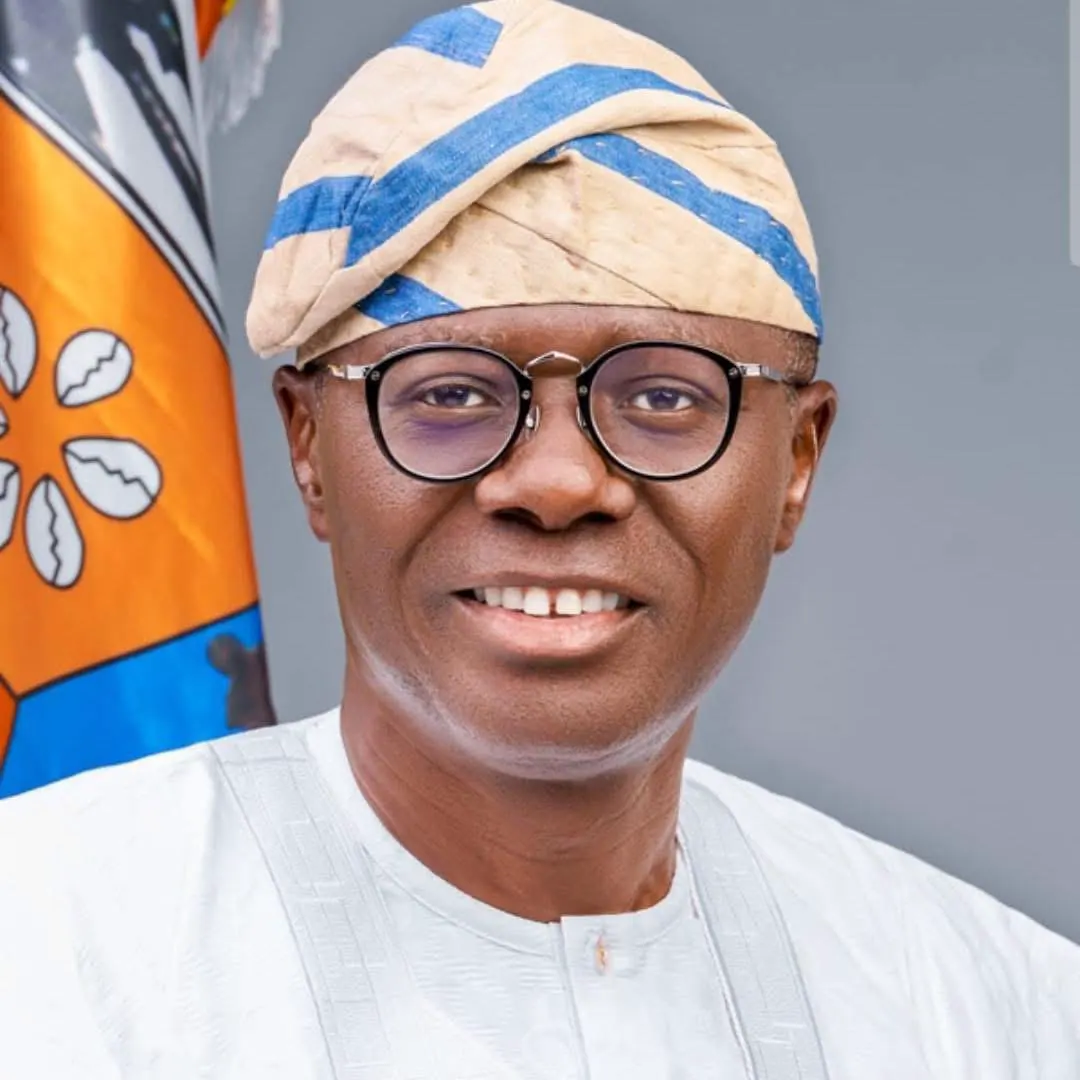
Seven years into his administration, Lagos State Governor Babajide Sanwo-Olu's environmental record is being assessed not by the disappearance of long-standing challenges, but by the state's new approach to managing them. When Sanwo-Olu took office on May 29, 2019, he inherited a growing megacity with environmental contradictions. Lagos was expanding economically but struggling environmentally, with a growing population and increasing development pressures on wetlands and waterways.
The city's environmental challenges have persisted, including flooding, waste collection breakdowns, and pollution. In June 2026, Commissioner for the Environment and Water Resources, Tokunbo Wahab, apologized for recent evacuation failures and acknowledged poor performance in the preceding months. Despite producing 13,000 to 14,000 tonnes of waste daily, Lagos cannot claim victory over sanitation. However, the state has shifted its focus towards building systems designed to cope with the pressures of a growing megacity.
Lagos' approach to environmental management has expanded from sanitation to a broader philosophy of urban environmental resilience. Drainage is no longer just about clearing roadside gutters, but also about recycling, recovery, and circular economy. Trees are being geo-tagged and monitored, and climate change has been integrated into planning documents, financing mechanisms, and infrastructure discussions. This shift in approach is reflected in the state's environmental policies and actions.
The numbers behind this change are significant. In 2025, the state reported that 12 primary drainage channels covering 32.5 kilometres had been restored, and 84 secondary channels totalling 96 kilometres were restored in 2024. The government also reported the removal of 1,141 contraventions affecting drainage rights of way. These efforts demonstrate a commitment to addressing the city's environmental challenges.
Urban greening is another area of focus for the state. Trees are no longer just ceremonial objects planted on environmental days, but are being monitored and geo-tagged. This approach recognizes the importance of trees in mitigating the effects of climate change and improving air quality. The state has also prioritized environmental enforcement, with the government prepared to make politically difficult decisions to protect wetlands, floodplains, and drainage rights of way.
Climate change has become a key consideration in Lagos' environmental planning. The state has integrated climate change into its planning documents, financing mechanisms, and infrastructure discussions. This reflects a recognition of the need to build resilience in the face of climate-related challenges. The state's approach to environmental management is becoming more comprehensive and forward-thinking.
The Lagos environment story over the past seven years is one of gradual progress and a shift in approach. While challenges persist, the state has made significant strides in building resilient systems to manage environmental pressures. The focus on urban environmental resilience, recycling, and climate change mitigation demonstrates a commitment to creating a more sustainable future for the megacity.
Key points
- Lagos has shifted its focus from solving environmental challenges to building resilient systems to manage them.
- The state has made significant progress in drainage restoration, with 12 primary drainage channels and 84 secondary channels restored.
- Lagos is prioritizing environmental enforcement, urban greening, and climate change mitigation in its environmental planning.