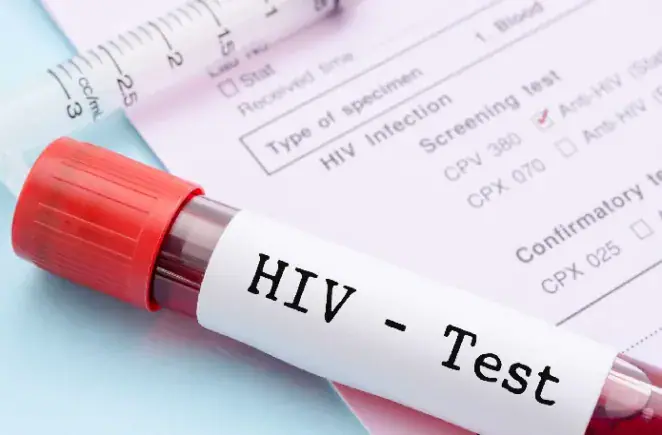
The Ghana AIDS Commission (GAC) has warned that denying individuals jobs, school admission, or healthcare due to their HIV status is against the law. Governing Board Chairperson Kakra Essamuah stated that institutions requiring prospective employees to undergo HIV tests risk facing legal consequences. He described this practice as shameful and regrettable, emphasizing that HIV is not a disability that prevents people from working.
Essamuah made these remarks at the 15th National HIV and AIDS Partnership Forum, organized by the GAC. The forum, attended by various stakeholders, aimed to assess progress, report on previous agreements, and set priority actions for the upcoming year. This year's event coincided with Ghana's 40-year HIV response milestone, themed "40 years of HIV Response in Ghana: Celebrating Partnerships, Transforming Lives, Sustaining the Future."
The forum brought together communities involved in the HIV response, development partners, faith-based organizations, academia, and representatives of the Society for AIDS in Africa (SAA). Essamuah highlighted the significant progress made in Ghana's HIV response over the past four decades. He noted that initially, the disease was surrounded by fear and silence, but today, people living with HIV can access life-saving treatment and contribute fully to national development.
Essamuah attributed this transformation to political will, the courage of people living with HIV, dedication of health workers, and international partners' solidarity. He emphasized that sustaining the HIV response is a matter of national ownership and leadership. The Director General of GAC, Dr. Kharmacelle Prosper Akanbong, reported on the commission's achievements since the 14th Partnership Forum, including establishing a youth desk and developing a National HIV and TB Human Rights Strategic Plan.
Dr. Akanbong noted that progress has been slower in areas such as local production of HIV commodities and government funding for the local HIV response. He expressed concern over increasing new infections among 15-24-year-olds, which account for about 30% of new cases. The United Nations Resident Coordinator, Zia Choudhury, reaffirmed the UN's commitment to supporting Ghana in maintaining sovereignty over its healthcare financing.
Other speakers at the forum, including the Chief Director of the Office of the President, Dr. Alhaji Abubakari Wayo, and the Programme Manager of the National AIDS and STIs Control Programme, Dr. Emmanuel Teviu, emphasized the importance of collaboration and community involvement in ending HIV and AIDS. They paid tribute to people living with HIV and their networks for their courage and advocacy.
The Ghana AIDS Commission's warning aims to promote a more inclusive and supportive environment for individuals living with HIV. Key stakeholders have emphasized the need for continued collaboration and commitment to sustaining the country's HIV response.
Key points
- The Ghana AIDS Commission has warned against denying individuals jobs, school admission, or healthcare due to their HIV status.
- The commission reported progress in some areas, including establishing a youth desk and developing a National HIV and TB Human Rights Strategic Plan.
- Stakeholders have emphasized the need for continued collaboration and commitment to sustaining Ghana's HIV response.