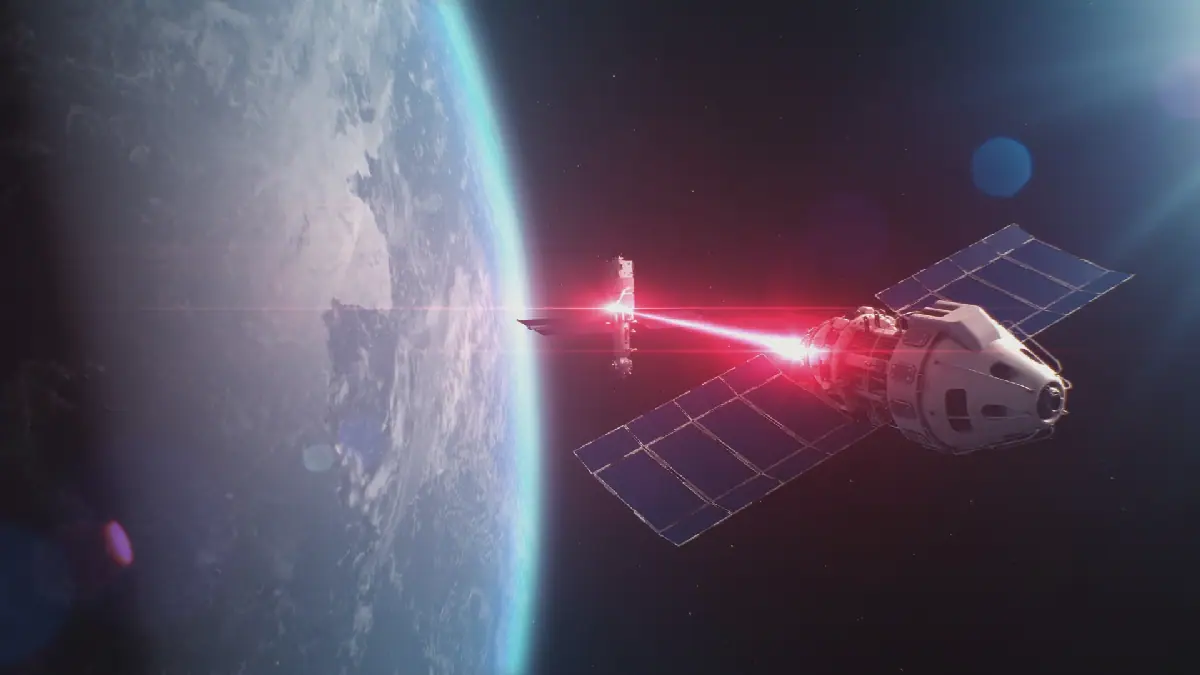
New reports from German media suggest that Russia may be planning to launch a nuclear-capable weapon into space via a satellite before the end of the year. These reports have been met with serious consideration from the German government. According to a spokesperson for the German government, Stefan Kornelius, the country's National Security Council discussed the changing security situation in space on November 3, although details of the meeting remain confidential.
The reports in question were published by several German media outlets, including West German Radio, North German Radio, and the Süddeutsche Zeitung newspaper. They cite information from Western intelligence agencies and military sources, including the German military and the Federal Intelligence Service. The reports also suggest that this information has been shared among several NATO member states.
Despite taking the reports seriously, the German government sees no immediate threat. Kornelius emphasized that there is no need to spark unnecessary concern about hypothetical scenarios. He also noted that the situation does not warrant alarm at this time. The German government's cautious approach reflects the sensitive nature of the reports and the potential implications for European security.
The possibility of Russia deploying a space-based nuclear weapon has raised concerns about the potential consequences for global security. Such a move would likely be seen as a significant escalation of tensions between Russia and the West. It is unclear what specific actions Russia may be planning, but the German government's serious consideration of the reports suggests that the situation is being closely monitored.
The reports of Russia's potential plans come amid ongoing tensions between Russia and the West. The situation in Ukraine remains a major point of contention, and there are concerns about Russia's military activities in the region. The German government's response to the reports suggests that it is taking a cautious approach to the situation, seeking to avoid unnecessary alarm while still taking the reports seriously.
NATO has also been briefed on the situation, with Secretary-General Jens Stoltenberg urging member states to enhance their resilience in the face of emerging threats. The alliance has been working to strengthen its defenses in response to changing security dynamics, including the potential for new threats in space.
The German government's consideration of the reports highlights the need for continued vigilance in the face of emerging security threats. While there is no immediate threat, the situation underscores the importance of ongoing monitoring and assessment of potential risks. The German government's approach suggests that it is taking a proactive and cautious approach to the situation, seeking to balance the need for preparedness with the risk of unnecessary alarm.
Key points
- Germany is taking reports of Russia potentially deploying a space-based nuclear weapon seriously.
- The German government sees no immediate threat but is monitoring the situation closely.
- NATO has been briefed on the situation and is working to enhance its defenses in response to emerging threats.