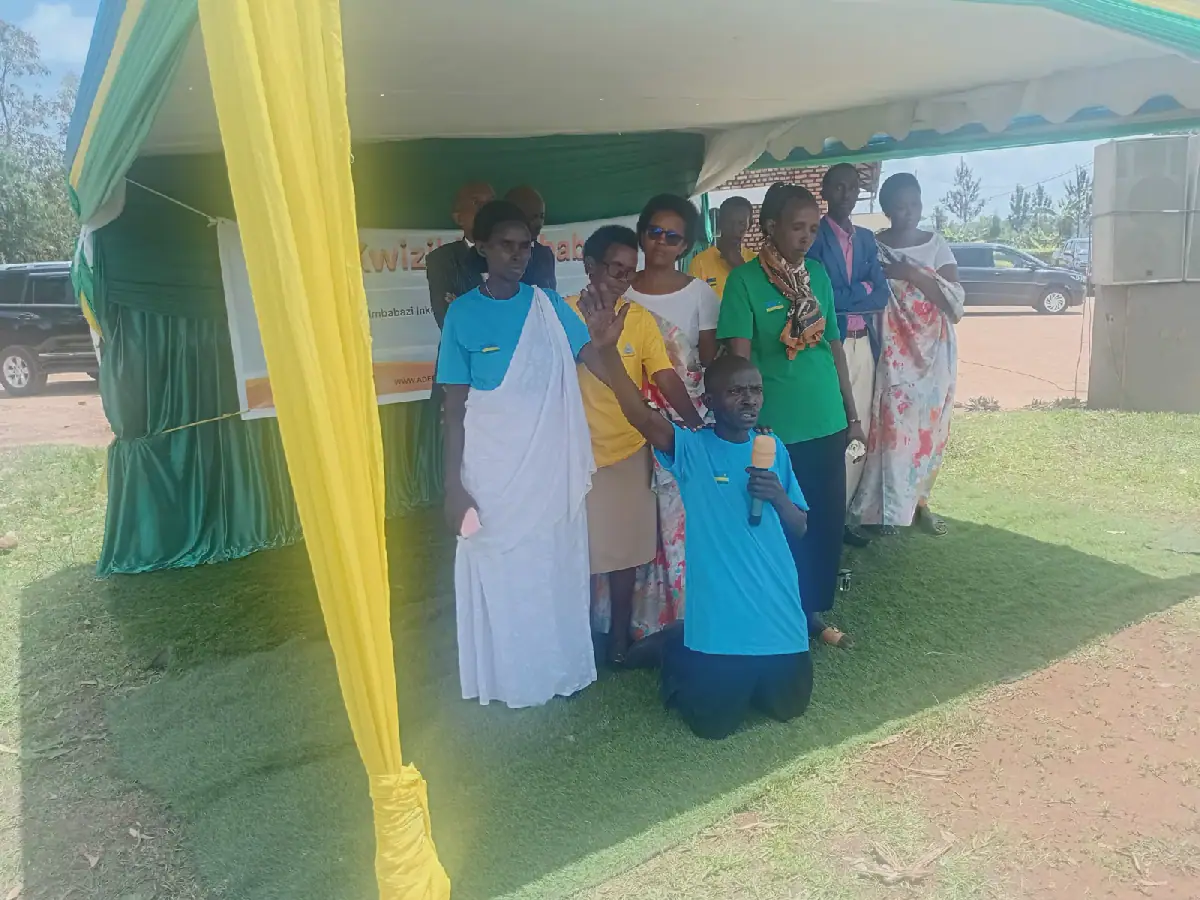
In the Gatsibo district of Rwanda, a group of individuals who took part in the 1994 genocide against the Tutsi population have been released from prison after completing their sentences. The released individuals, who were part of a program aimed at promoting unity and reconciliation, gathered on November 4, 2026, to seek forgiveness from the families they harmed. This event, organized by the ADEPR church and local authorities, was part of a program called "Imbabazi Celebration Day," which aims to help perpetrators take responsibility for their actions and seek forgiveness.
The program, which includes counseling and education on unity and reconciliation, has been instrumental in helping perpetrators come to terms with their actions and make amends. During the event, one of the perpetrators, Gatera Asman, expressed remorse for his actions and sought forgiveness from the families he had harmed. He acknowledged that he had committed a grave crime and asked for forgiveness from the families of those he had killed, as well as from the broader Rwandan community.
Clementine Murorunkwere, a survivor of the genocide who lost several family members, has chosen to forgive Gatera Asman and other perpetrators. She expressed her decision to forgive, stating that it was a personal choice and that she wanted to move forward with her life. Murorunkwere emphasized that forgiveness did not mean forgetting the past, but rather releasing the burden of anger and hatred.
Reverend Eugène Rutagarama, the deputy chief pastor of the ADEPR church in Rwanda, emphasized the importance of promoting unity and reconciliation in the country. He noted that as Rwandans, it was their responsibility to build and maintain unity, and that this effort was not limited to the church but was a national imperative. Rutagarama encouraged the perpetrators to continue their journey of reconciliation and to work towards rebuilding the country.
The event was attended by local authorities, including the district mayor, IBINGIRA Frank, who emphasized that seeking forgiveness was only the first step towards reconciliation. He encouraged the perpetrators to demonstrate their commitment to rebuilding the country by participating in community development projects and working with the government to promote national unity.
A total of 35 genocide perpetrators have been released from prison after completing their sentences and participating in the program. They join a group of 89 individuals who have undergone counseling and education on unity and reconciliation. The program aims to help perpetrators take responsibility for their actions and make amends to the families they harmed.
The initiative has been welcomed by local communities, who see it as a positive step towards promoting national unity and reconciliation. While challenges remain, the program offers a glimmer of hope for a more harmonious future in Rwanda. The government and local authorities have pledged to continue supporting the program and promoting reconciliation efforts across the country.
Key points
- Genocide perpetrators in Rwanda seek forgiveness from victims' families after serving prison sentences.
- The program aims to promote unity and reconciliation by helping perpetrators take responsibility for their actions.
- Local authorities emphasize that seeking forgiveness is only the first step towards reconciliation.