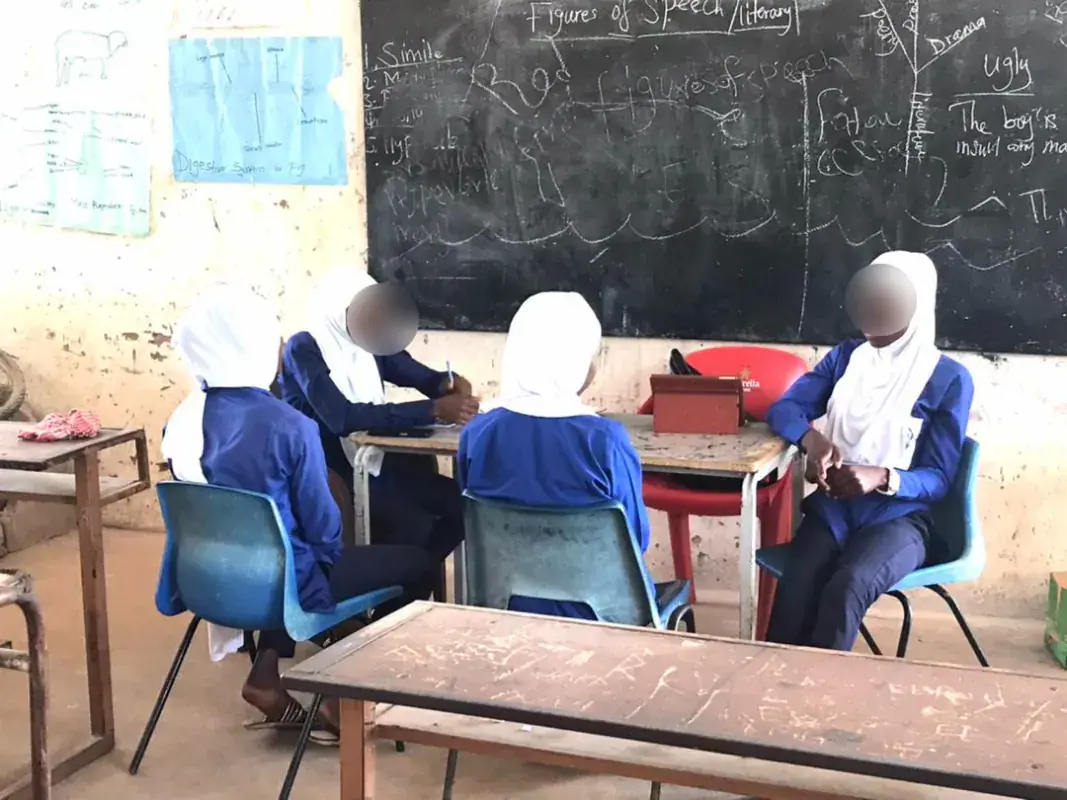
The government of Gambia has announced plans to eliminate import duty and value-added tax (VAT) on sanitary pads, effective January 2026. This move aims to lower retail prices and improve access to menstrual hygiene products for school-going girls. According to Finance Minister Seedy Keita, the measure is intended to address economic and health disparities in menstrual hygiene. The policy will be periodically reviewed to ensure it achieves the desired outcomes.
In the same budget speech, Minister Keita announced strict enforcement of annual land rent payments starting January 1, 2026. The Ministry of Finance will enforce the State Lands Act of 1991 jointly with the Ministry of Lands, Regional Government and Religious Affairs. Land lease documents used as collateral will be void if annual land lease rental payments are not fulfilled. Banks and financial institutions holding land lease documents as collateral must ensure clients pay annual land lease rentals.
The two measures address distinct constituencies: households purchasing sanitary products and leaseholders with bank-held collateral. The sanitary pad measure focuses on affordability for school-going girls, while the land rent measure emphasizes enforcement of existing obligations under the 1991 Act. The announcements were made in the 2026 Budget Speech, but critical implementation details remain unspecified.
The land rent enforcement carries a fixed start date of January 1, 2026, while the sanitary pad measure lacks a specified timeline or effective date. The policy on sanitary pads does not include estimates of the revenue impact or projected price reductions. For leaseholders and banks holding their documents, the stated consequence of non-payment is nullification of the lease as collateral.
Minister Keita emphasized that the government will periodically review the sanitary pad tax policy to ensure it achieves the desired outcomes. However, the current tax rates, expected price reductions, and enforcement mechanisms remain unclear. It is also unknown whether affected parties will receive advance notice before punitive actions take effect.
The measures are expected to have different impacts on various groups. For school-going girls and their households, the stated intent is improved access and lower retail prices. For leaseholders and banks holding their documents, the stated consequence of non-payment is nullification of the lease as collateral. The minister responsible for Lands and Regional Government and Religious Affairs will nullify leases when payments are not made.
The announcements have been made, but many questions remain unanswered. The government has not provided details on the current tax rates, expected price reductions, or enforcement mechanisms. The impact of these measures on the economy and the target groups remains to be seen. The government will need to provide further clarification and implementation details to ensure the success of these initiatives.
Key points
- The Gambia government aims to improve menstrual hygiene access for school-going girls by eliminating import duty and VAT on sanitary pads.
Reporting sources
- Gambia to End Sanitary Pad Import Duty, VAT from January 2026 · West Africa News Agency