Uganda's Minister in charge of Primary Health Care, Dr. Charles Ayume, has called for patience from the public as the government maintains the closure of the country's border with the Democratic Republic of Congo (DRC) amid a persistent Ebola outbreak. The border was temporarily closed on May 27, 2026, following reports of escalating Ebola cases in eastern DRC. This move aims to prevent unauthorized crossings and protect Uganda's population from potential health threats.
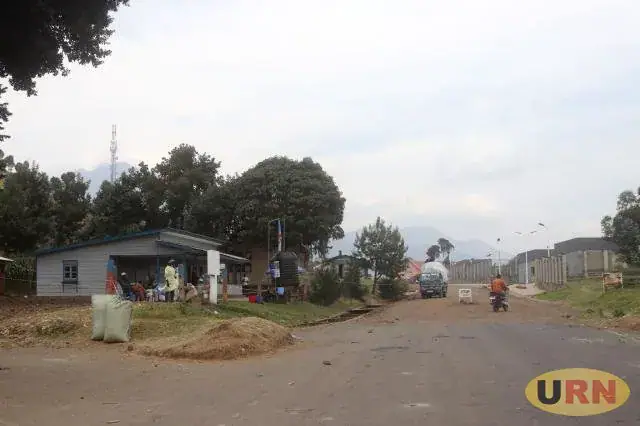
Despite the restrictions, some Congolese nationals have continued to enter Uganda through unofficial crossing points, particularly around Bunagana Town Council in Kisoro District. In July, reports indicated that Congolese nationals were using porous border routes for small-scale trade, casual work, food, and other essential goods, or access to basic services. However, Ugandan security personnel regularly patrol the area, intercepting individuals attempting to cross illegally.
On November 6, a Uganda Wildlife Authority enforcement team arrested ten Congolese nationals inside Echuya National Park for allegedly entering the country illegally. The suspects reportedly crossed through a porous border point, bypassing the gazetted Bunagana border post without valid travel documents, immigration clearance, or mandatory Ebola screening. They claimed to be traveling to Kampala via Kabale.
Dr. Ayume spoke to reporters at Katuna Border, following joint Uganda-Rwanda cross-border health preparedness exercises. These exercises aimed to strengthen the ability of both countries to detect, prevent, and respond to public health emergencies, particularly Ebola. During the interview, Ayume emphasized the Ministry of Health's responsibility to protect Ugandans from public health threats and assured that the restrictions were intended to safeguard the population.
Ayume warned that reopening the border while Ebola transmission remains active in the DRC could expose Uganda to another outbreak and further strain the country's health system. The Ministry of Health is prioritizing measures to prevent the virus from crossing into Uganda. Ayume also called for greater investment in thermal imaging cameras at major border entry points to help detect suspected cases and prevent the spread of infectious diseases.
Uganda was declared Ebola-free in July after an outbreak that began in May and was linked to infections imported from the DRC. The country recorded 20 confirmed cases, including two deaths. Fifteen cases were linked to infections imported from the DRC, while the other five were acquired locally among contacts and health workers. However, the outbreak remains active in the DRC.
As of November 3, more than 10,600 confirmed cases and 5,100 deaths had been reported in the DRC, according to the World Health Organisation (WHO). Dr. Ayume's appeal for patience comes as the government continues to take measures to protect Uganda's population from the Ebola threat. The closure of the border and enhanced security measures are part of these efforts to prevent another outbreak and ensure public safety.
Key points
- Dr. Charles Ayume urges patience from the public as Uganda keeps its border with the DRC closed due to an ongoing Ebola outbreak.
Reporting sources
- Minister Ayume calls for patience as Uganda keeps DRC border closed · The Independent magazine