The Fair Wages and Salaries Commission (FWSC) in Ghana has warned teachers engaging in an ongoing strike of potential salary deductions if their industrial action continues beyond the government's expected deadline. The warning comes as the nationwide strike by pre-tertiary teacher unions, which began on September 25, 2026, remains unresolved. The unions are demanding outstanding promotion arrears, salary placement, and other conditions of service.
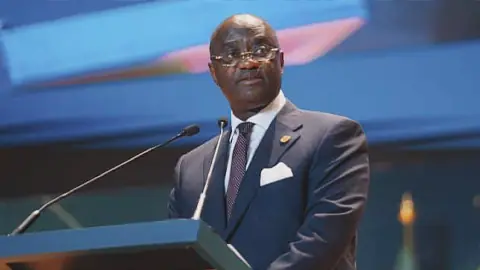
FWSC Chief Executive Officer Dr. George Smith-Graham stated that workers who engage in an illegal strike could forfeit their remuneration for the period they remain away from work. According to Ghana's Labour Act, a worker who participates in an illegal strike may forfeit remuneration for the period of the illegal strike, while an employer may also terminate the worker's services without notice for breach of contract.
The government had set a deadline of Friday, October 9, to resolve the impasse and prevent the dispute from escalating. Dr. Smith-Graham expressed hope that an agreement would be reached before this deadline to avoid possible consequences, including salary deductions. He further indicated that if the strike remained active by October 15, the government could be compelled to take steps regarding salaries for the period teachers stayed away from work.
Negotiations between the teacher unions and the FWSC continued on Tuesday, October 6, but ended without a final agreement. Despite this, Dr. Smith-Graham remained hopeful that the ongoing discussions would produce a resolution before the situation reaches a point where further action becomes necessary. The teacher unions have insisted that they will remain on strike until concrete action is taken to address their concerns.
The strike by pre-tertiary teacher unions in Ghana has significant implications for the education sector. With the strike showing no signs of ending, students and parents are increasingly worried about the impact on the academic calendar. The government has urged the unions to consider the welfare of students and return to the classroom while negotiations continue.
Dr. Smith-Graham emphasized that the government is flexible, but the law is clear on the consequences of engaging in an illegal strike. He urged the teacher unions to consider the potential outcomes of their industrial action and work towards a resolution. The FWSC is working closely with the government to address the concerns of the teacher unions and find a solution to the impasse.
The outcome of the negotiations between the FWSC and the teacher unions will have a significant impact on the education sector in Ghana. If an agreement is reached, it could pave the way for a return to normalcy in the sector. However, if the strike continues, it could lead to further disruptions and consequences for students, teachers, and the broader education system.
Key points
- The FWSC has warned teachers of potential salary deductions if their industrial action continues past the government's deadline.
- The government had set a deadline of Friday, October 9, to resolve the impasse and prevent the dispute from escalating.
- The strike by pre-tertiary teacher unions in Ghana has significant implications for the education sector.