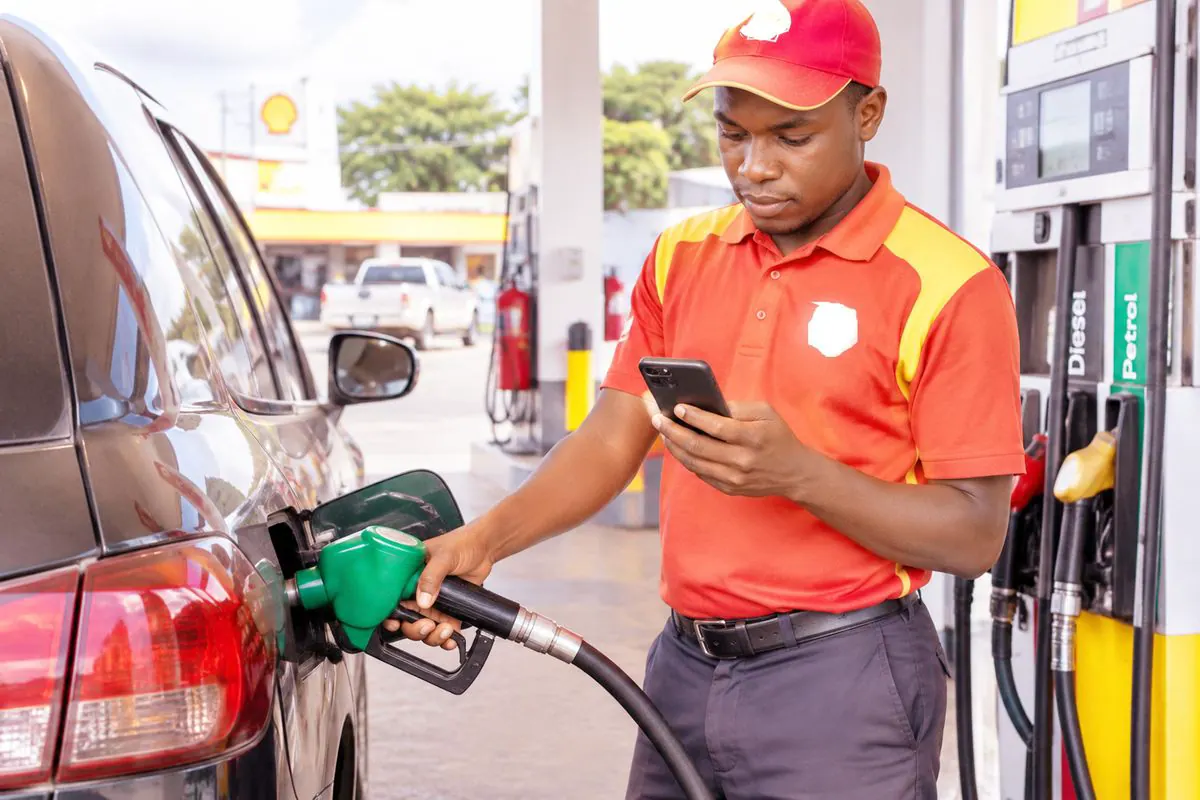
Worker safety at fuel stations in Tanzania has come under scrutiny due to concerns over inadequate protective equipment, limited safety training, and flip-flops worn by some employees. These issues are attributed to gaps in a system meant to protect people working in hazardous environments. The Occupational Health and Safety Act of 2003 places a duty on employers to ensure the health, safety, and welfare of workers. However, lapses in implementation have raised questions about accountability.
The Petroleum (General) Regulations of 2022, as amended in 2025, outline specific requirements for fuel station operators, including measures to prevent fires, provision of adequate firefighting equipment, and training for workers to respond to emergencies. Despite these regulations, incidents such as the death of Shalom Tarimo, 21, at GAPCO Uhuru Peak Service Station in Moshi on August 9, 2024, highlight the need for improved safety measures. Tarimo's death was linked to a lack of oxygen and ventilation in a confined space.
Senior State Attorney Silinde Gumada emphasizes that the primary responsibility for protecting workers rests with employers. He notes that employers are required to provide personal protective equipment (PPE), training, and health examinations. While workers are also required to use the equipment provided and follow safety procedures, this does not absolve employers of their primary responsibility. A fuel station owner in Mbeya, who requested anonymity, revealed that he provides workers with money to buy milk, believing it can help reduce the effects of chemicals encountered at work.
The Occupational Safety and Health Authority (OSHA) is responsible for overseeing compliance with occupational safety and health standards. However, a report by the Controller and Auditor General for the 2024/25 financial year found that 1,552 workplaces, including fuel stations, were not inspected by OSHA during the year. This raises concerns about the effectiveness of the inspection system in ensuring workplaces with significant hazards are inspected on time.
The Energy and Water Utilities Regulatory Authority (Ewura) plays a role in monitoring fuel stations and petroleum infrastructure. In 2024/25, Ewura inspected 944 petroleum facilities and infrastructure sites, with 787 (83.37%) complying with requirements and 157 (16.63%) not complying. Ewura took regulatory action against non-compliant facilities, including temporary closure until shortcomings were rectified. Despite increased compliance, some facilities still require follow-up to address identified deficiencies.
OSHA and the Tanzania Petroleum Station Owners and Operators Association (TAPSOA) have agreed to work together to strengthen occupational safety and health among fuel station workers. The agreement, reached on January 21, 2022, involves cooperation on inspections, training, and technical advice. This partnership aims to improve safety at fuel stations and prevent incidents like the one that resulted in Tarimo's death.
Accountability for worker safety in Tanzania's fuel industry extends beyond employers to government institutions overseeing occupational health and safety. Prolonged failure by public institutions to fulfill their statutory responsibilities can raise questions of accountability through parliamentary mechanisms, administrative mechanisms, and the courts. As the industry continues to grapple with safety concerns, effective implementation of regulations and robust oversight will be crucial in preventing accidents and protecting workers.
Key points
- Tanzania's fuel station workers face safety risks due to inadequate protective equipment and limited safety training.
- Regulatory bodies, including OSHA and Ewura, have a critical role in ensuring compliance with occupational safety and health standards.
- Effective implementation of regulations and robust oversight are necessary to prevent accidents and protect workers in the fuel industry.