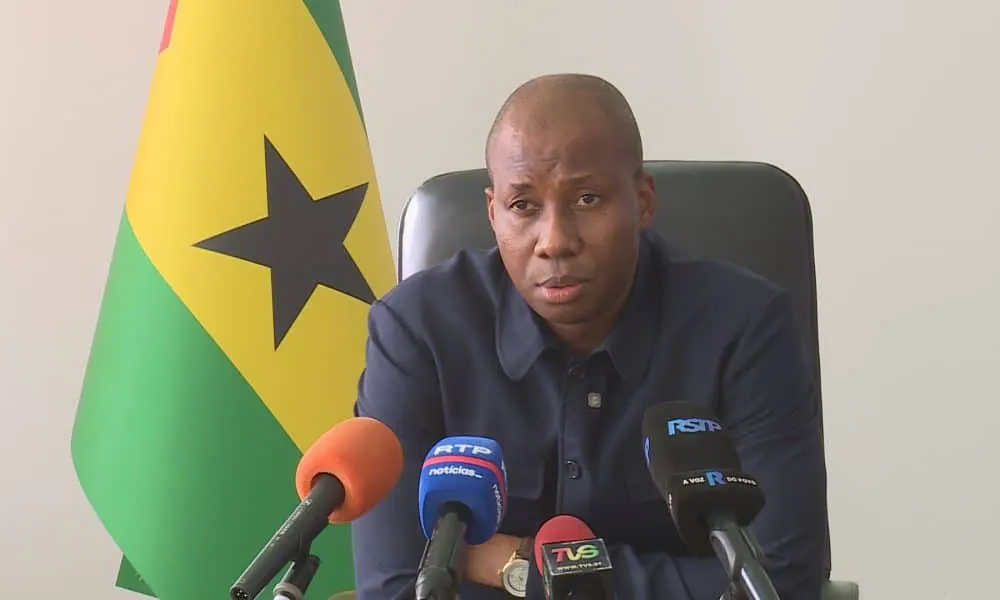
The Sao Tome and Principe government has announced a fuel shortage, with Minister of Economy and Finance Gareth Guadalupe stating that the country is currently experiencing a rupture of gasoline and cooking oil. This shortage has been evident to the public, with many fuel stations running dry. Gasoline is a crucial fuel source for taxi drivers, motorcycle operators, public administration vehicles, and fishermen.
The shortage of cooking oil, often used for lighting during power outages, has further complicated the situation. Minister Guadalupe attributed the shortage to a lack of funds to import fuel, citing rising international prices. He emphasized that without sufficient funds, planning for fuel imports is ineffective. The minister noted that the country's public finances have been under significant pressure, particularly with the recent general elections on September 27.
The government faced significant financial obligations, including paying for election preparations and staff salaries, which limited its ability to purchase fuel in a timely manner. Despite these challenges, the Ministry of Finance managed to secure $17 million to import gasoline and diesel. However, the minister noted that the global market is experiencing a shortage of certain fuel products, including Jet Fuel and kerosene.
Due to the current shortage, the government has prioritized importing gasoline and diesel, with the goal of having these fuels available within a week. Minister Guadalupe described the $17 million allocated for the next fuel import as "significant" but acknowledged the high costs associated with importing fuel. The government subsidizes fuel prices, purchasing at high prices and selling at lower prices to alleviate the burden on the population.
The fuel shortage in Sao Tome and Principe is part of a global phenomenon, with even oil-producing African countries like Nigeria and Gabon experiencing fuel stock shortages due to limited refining capacities. The crisis has led to concerns about the sustainability of fuel subsidies, with Minister Guadalupe suggesting that the government may need to reconsider its subsidy policies if the situation persists.
The impact of the fuel shortage is being felt across the country, with daily activities and economic operations severely disrupted. The government's efforts to secure fuel imports and manage the crisis are ongoing, with the Ministry of Finance working to balance the country's financial obligations with the need to provide essential services to the population.
As the situation continues to unfold, the government faces the challenge of addressing the immediate needs of the population while navigating the complexities of global fuel markets and the country's economic constraints. The fuel shortage has highlighted the need for Sao Tome and Principe to explore long-term solutions to its energy challenges and develop strategies to mitigate the impact of future crises.
Key points
- The fuel shortage in Sao Tome and Principe is attributed to a lack of funds to import fuel, exacerbated by rising international prices and the country's limited refining capacity.
- The government has secured $17 million to import gasoline and diesel, aiming to alleviate the current shortage.
- The crisis has highlighted the need for Sao Tome and Principe to address its energy challenges and develop strategies to mitigate future crises.