Taiwan is opening its Integrated Circuit (IC) design ecosystem to Eswatini, providing direct access to advanced facilities and cloud-based platforms without requiring multi-billion-Emalangeni manufacturing facilities. The Taiwan Semiconductor Research Institute (TSRI) offers an integrated approach combining chip design, manufacturing, and verification under one roof to accelerate research and train semiconductor talent.
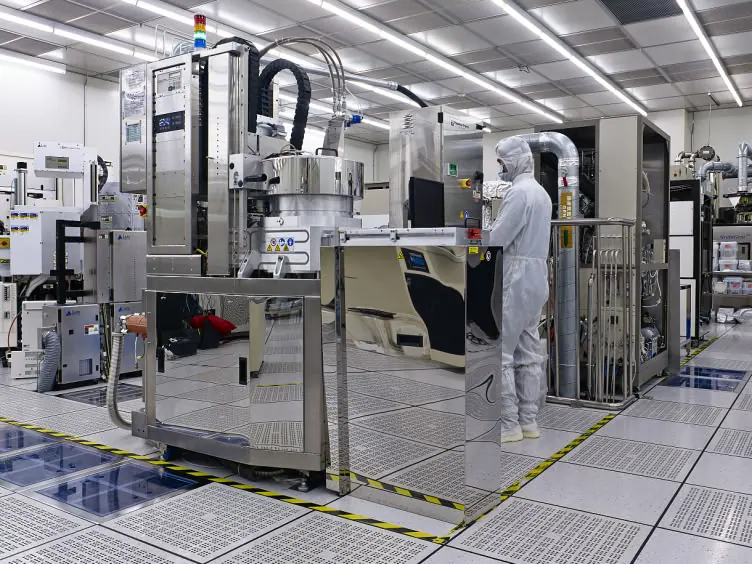
During a tour of TSRI, visiting journalists from Eswatini and globally experienced the institute's primary strength firsthand. They witnessed the entire journey from silicon wafer to finished chip in TSRI's state-of-the-art cleanroom, an ultra-sterile facility where airborne dust and temperature are strictly controlled to prevent micro-contamination during delicate production.
Semiconductors are miniaturized electronic circuits that act as the electronic brain and engine of modern life, enabling devices to perform calculations, store memory, and transmit data. Without them, everything from smartphones and medical equipment to power grids and modern vehicles would cease to function.
To access TSRI's advanced facilities and cloud-based platforms, international candidates, including students and researchers from Eswatini, must first enroll in a recognized Taiwanese university degree program or official international exchange program. Enrolling at a partner university serves as the primary gateway, providing the necessary academic identity required to access TSRI's specialized electronic design automation (EDA) software, testing equipment, and chip fabrication services.
Once enrolled in Taiwanese universities, students and academics from institutions such as the University of Eswatini and the Royal Science and Technology Park (RSTP) can tap into capacity building, technology transfer, and cloud-based IC design via programs run in partnership with National Applied Research Laboratories (NARLabs). This partnership enables Eswatini to leverage Taiwan's expertise and build local capacity in IC design.
Under a 'dual-mentor system' pairing trainees with university professors and industry specialists, Eswatini can learn to design specialized chips remotely. Instead of manufacturing hardware immediately, Eswatini can focus on building local expertise and developing tailor-made IC designs for smart sensors, embedded systems, and power management.
These innovations can be directly applied back home to drive Eswatini's digital transformation, accelerate smart city initiatives, and support the country's long-term innovation goals. By accessing Taiwan's IC design ecosystem, Eswatini can unlock new opportunities for economic growth, improve its technological capabilities, and develop new industries.
Key points
- Taiwan offers Eswatini access to its IC design ecosystem, enabling the country to build local expertise and develop tailor-made IC designs.
- Eswatini can leverage Taiwan's expertise to drive its digital transformation and accelerate smart city initiatives.
- The partnership between Taiwan and Eswatini aims to support the country's long-term innovation goals and unlock new opportunities for economic growth.