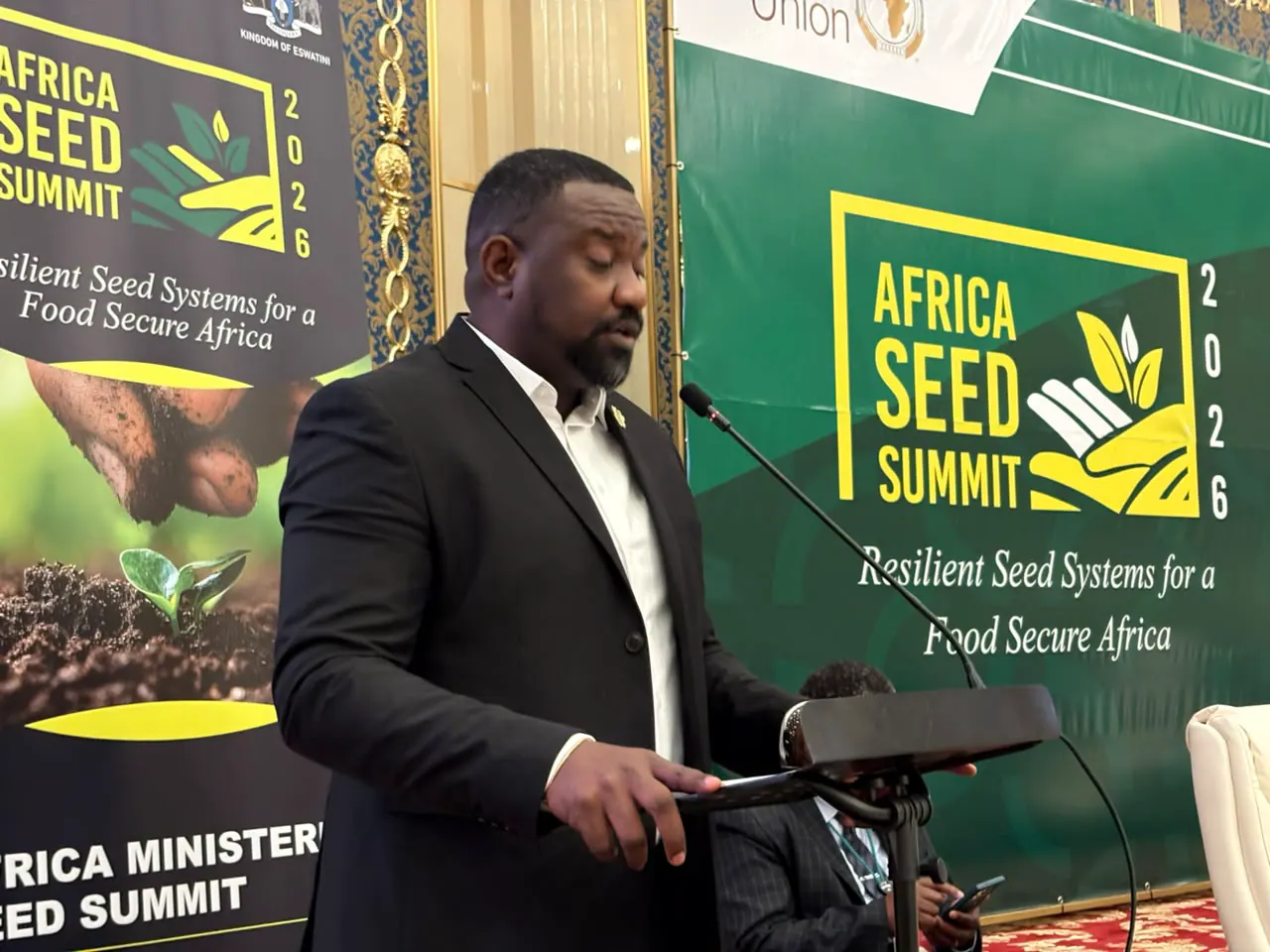
African nations must prioritize seed sovereignty and build resilient agricultural systems to overcome severe climate and geopolitical pressures, Ghana's Deputy Minister of Food and Agriculture urged. Speaking on behalf of the Ghanaian government at the African Union Regional Seed Summit, John Dumelo emphasized that high-yielding, climate-smart seeds are the non-negotiable foundation of Africa's long-term food security and economic independence. He urged delegates to view seed systems not merely as routine farming inputs, but as strategic sovereign assets and the essential engine driving rural livelihoods across the continent.
To achieve continental self-reliance, the address outlined three crucial priority areas for immediate action. First, African states must streamline regional regulations and quality assurance frameworks to unlock cross-border trade under the African Continental Free Trade Area. This will enable the free movement of seeds and other agricultural products across borders, promoting trade and economic growth. The Deputy Minister also emphasized the need for governments to safeguard farmer-managed seed systems.
The Deputy Minister also stressed the importance of providing women and youth stewards with direct access to finance, research, and technical training. This will enable them to play a more significant role in the development and dissemination of climate-resilient seeds. Furthermore, member states must deepen public sector funding for agricultural research and plant breeding to empower local institutions to develop crop varieties adapted to localized pest threats and shifting climate realities.
The African Union Regional Seed Summit is a critical platform for African nations to come together and discuss the challenges and opportunities in the seed sector. The summit aims to promote the development and use of high-quality seeds that can help increase crop yields, improve food security, and reduce poverty. The Deputy Minister's address highlighted the need for a unified approach to seed security.
The Deputy Minister's call for decisive political will and unified solidarity was echoed by other stakeholders. They emphasized the need for African nations to work together to address the challenges facing the seed sector. This includes the development of a binding pact to empower local farmers, safeguard African biodiversity, and feed the continent from its own soils.
The seed sector is critical to Africa's food security and economic development. The continent is home to a vast array of crops, many of which are not well-suited to the changing climate. The development and dissemination of climate-resilient seeds are essential to ensuring that African farmers can continue to produce food in the face of climate change.
The Times of Eswatini reported that Lesotho has also urged for a $1 billion seed plan to directly benefit smallholder farmers. This initiative aims to improve the livelihoods of smallholder farmers and promote food security in the region. The plan is expected to have a positive impact on the lives of millions of people.
Key points
- African nations must prioritize seed sovereignty and build resilient agricultural systems.
- High-yielding, climate-smart seeds are essential for Africa's long-term food security and economic independence.
- African states must streamline regional regulations and quality assurance frameworks to unlock cross-border trade.