Malawi is experiencing an ongoing fuel crisis, with motorists spending hours or even days queuing for petrol and diesel. The crisis has disrupted transport, businesses, and household routines across the country. Long queues have become a daily feature at filling stations as motorists scramble for the limited fuel available. This situation has, however, presented a unique opportunity for small-scale traders.
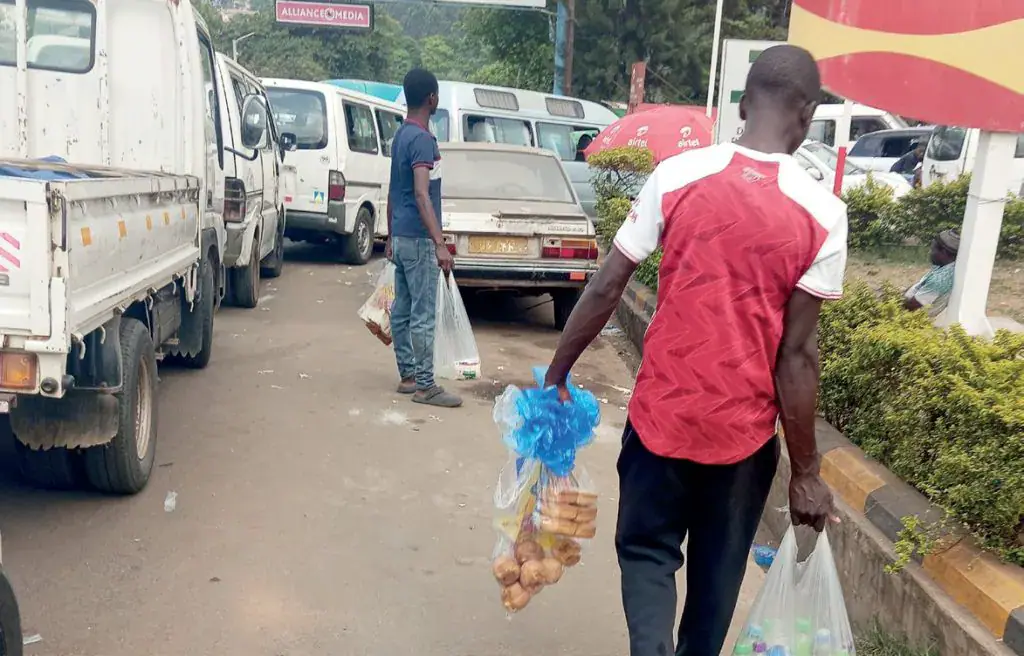
Informal traders operating around filling stations have seen a significant boost in sales due to the concentration of customers waiting in queues. Vendors selling food and snacks to stranded drivers have benefited from the captive market. Mary Naitha, a small-scale trader at Mount Pleasant TotalEnergies Service Station in Blantyre, shared her experience. She sells nsima and rice near the station and has built a strong customer base over time.
According to Naitha, her business thrives during fuel crises as motorists waiting in queues become a captive market. She mentioned that she was the first woman to start selling at Mount Pleasant, and many motorists know her. The surge in demand has enabled her to improve her finances and clear debts that had accumulated over time. Naitha stated that she has managed to pay debts of nearly K400,000 through this business.
Another trader, Emmanuel Thom, who sells roasted groundnuts, also reported a significant increase in customer traffic due to the queues. He noted that drivers become their main market, and his sales are much higher than when fuel supplies are stable. This scenario is replicated across the country, particularly around fuel service stations, as the scarcity continues to affect daily life.
Economists have observed that the shortage of fuel illustrates how market disruptions can create short-term opportunities for informal businesses, even as they impose wider economic costs. Veli Nyirongo, a Scotland-based Malawian economist, noted that the crisis has benefited traders selling everyday products such as food, groundnuts, and sugarcane. He stated that people are increasingly buying what is available nearby instead of traveling long distances.
However, some economists have cautioned that the gains for small-scale traders are largely temporary and should not obscure the broader economic damage caused by fuel shortages. Christopher Mbukwa, an economics lecturer at Mzuzu University, advised small businesses to use this period to strengthen customer relationships and improve operations so that demand outlives the crisis. He emphasized the importance of maintaining affordable prices, ensuring consistent quality, securing reliable suppliers, and focusing on products people need every day.
Despite the opportunities presented by the fuel crisis, small-scale businesses in Malawi still face significant challenges, including limited access to working capital. Mbukwa noted that only a small number of traders are benefiting from the fuel queues, and many others may not have the resources to capitalize on this temporary opportunity. As the fuel crisis continues, small-scale traders will need to navigate these challenges to sustain their businesses beyond the current situation.
Key points
- The fuel crisis has created a temporary business opportunity for small-scale traders in Malawi, particularly those selling everyday products near filling stations.
- Economists caution that the gains for small-scale traders are largely temporary and should not obscure the broader economic damage caused by fuel shortages.
- Small businesses need to strengthen customer relationships and improve operations to sustain demand beyond the fuel shortage.