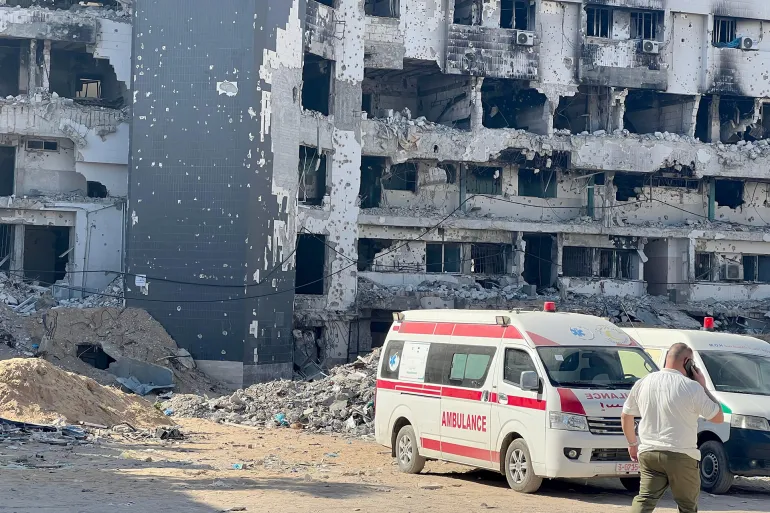
The healthcare system in Gaza is facing an unprecedented crisis as a severe shortage of fuel and supplies has pushed the already strained system to the edge of collapse. The scarcity of diesel and essential supplies has not only affected the generators powering hospitals and medical centers but also disrupted the transportation of patients and emergency services. This has raised concerns about the potential collapse of the healthcare infrastructure, which has been under strain due to years of blockade and conflict.
According to Dr. Munir Al-Barsh, Director General of the Gaza Ministry of Health, the World Health Organization has decided to halt fuel supplies to over 20 hospitals and health centers in Gaza due to a lack of funding. He warned that the limited quantities of fuel available are barely enough to keep healthcare facilities operational. The situation has been further exacerbated by the Israeli occupation authorities' restrictions on the entry of essential supplies, including fuel, medical equipment, and spare parts.
The crisis has had a devastating impact on healthcare services in Gaza, with many hospitals and medical centers forced to suspend or reduce their operations. Dr. Ra'afat Al-Majdlawi, Director General of the Al-Awda Health Society, stated that the Israeli occupation authorities have imposed severe restrictions on the entry of essential supplies, including fuel, medical equipment, and spare parts. This has led to the destruction of 28 hospitals, either partially or completely, out of a total of 35 hospitals in the sector.
The situation has also affected the transportation of medical staff, with companies operating in Gaza suspending bus services that transport medical personnel to hospitals. This has added to the challenges faced by healthcare workers, who are struggling to provide services in a severely under-resourced environment. Dr. Saeed Al-Ghurra, Chairman of the Board of Directors of Al-Wafa' Hospital, stated that the hospital has been forced to suspend some of its services, including outpatient clinics, surgical operations, and physical therapy.
The crisis has also had a significant impact on patients who require specialized medical care. Dr. Sohail Al-Hems, Director of Kuwait Specialized Field Hospital in Khan Yunis, stated that the hospital has had to suspend operations in most of its departments, including surgical operations, maternity services, and laboratory tests. This has left over 2,500 patients and visitors without access to essential medical services, including 50 surgical operations that were previously performed daily.
The healthcare crisis in Gaza has sparked international concern, with calls for urgent intervention to prevent a humanitarian catastrophe. The situation has been further complicated by the Israeli occupation authorities' restrictions on the entry of essential supplies and the blockade imposed on the sector. Dr. Al-Barsh appealed for international support, stating that the crisis is not limited to fuel shortages but also affects the availability of medical supplies, spare parts, and equipment.
The international community has been urged to take immediate action to address the crisis. The situation in Gaza requires a comprehensive and coordinated response to prevent a humanitarian disaster. The healthcare system in Gaza is on the brink of collapse, and urgent support is needed to ensure the continuation of essential medical services to the affected population.
Key points
- Gaza's healthcare system is facing a severe crisis due to fuel shortages and restrictions on essential supplies.
- The crisis has had a devastating impact on healthcare services, with many hospitals and medical centers forced to suspend or reduce their operations.
- International intervention is urgently needed to prevent a humanitarian catastrophe and ensure the continuation of essential medical services in Gaza.