France is experiencing a surge in social protests as citizens express their discontent with the rising cost of living and declining purchasing power. The protests, which began with demonstrations by high school students and university students over education issues, have expanded to include demands for higher wages and improved public services. The government, led by Prime Minister Sebastian Lecornu, is under pressure to address the concerns of protesters.
The protests have been ongoing for weeks, with tens of thousands of people participating in demonstrations across France. The protesters are demanding improvements in education, higher wages, and an increase in the minimum wage. The government has attempted to address the concerns of protesters through dialogue with union representatives and business leaders, but so far, no agreement has been reached. The protests have also led to clashes and violence, particularly during a demonstration on October 17.
The issue of minimum wage has become a central point of contention, with unions demanding increases that match the rising cost of living. The government has proposed a 1.6% increase in the minimum wage, which would bring it to €1502 per month, but unions have rejected this offer as insufficient. The CFDT union has called for a €100 increase, while the CGT union has demanded a 10% increase. The government's proposal has failed to appease protesters, who are calling for more significant action.
The French government is facing significant financial constraints, which limit its ability to respond to protesters' demands. The country's public debt and budget deficit are high, and the government is struggling to balance the need to improve wages and living standards with the need to maintain economic stability. The government is also facing opposition from business leaders, who are concerned about the impact of higher wages on employment and investment.
The protests have significant implications for the French government, particularly with presidential elections approaching in May 2027. The government's handling of the crisis will be closely watched, and the outcome could have a significant impact on the election. The far-right candidate Marine Le Pen and the left-wing candidate Jean-Luc Mélenchon are both gaining traction in the polls, and the government's response to the protests could influence the outcome.
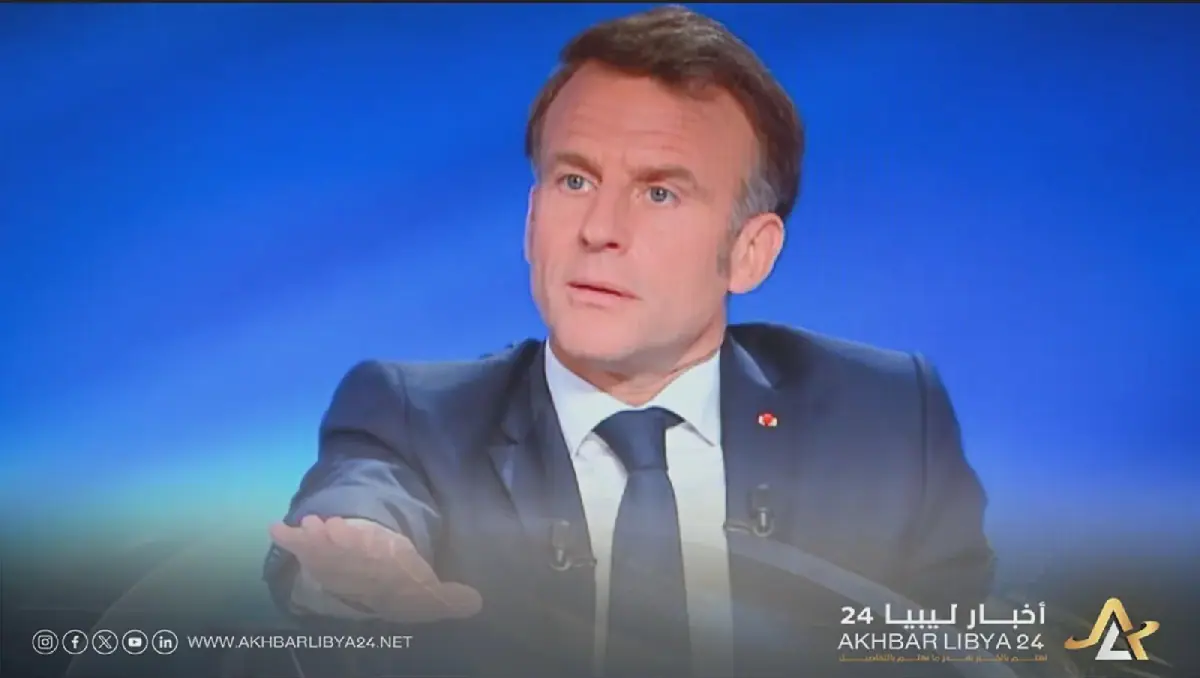
The protests have also highlighted the challenges facing President Emmanuel Macron, who is not eligible to run for re-election. Macron's government has been criticized for its handling of the economy and its response to social issues, and the protests have added to the pressure on the government to deliver results. The government has announced plans to increase the minimum wage and improve working conditions, but it remains to be seen whether these measures will be enough to address protesters' concerns.
As the protests continue, the French government faces a difficult task in balancing the competing demands of protesters, unions, and business leaders. The outcome of the protests and the government's response will have significant implications for France's economy, politics, and society. The government must find a way to address the concerns of protesters and restore trust in institutions, or risk facing further unrest and instability.
Key points
- The French government has proposed a 1.6% increase in the minimum wage, which would bring it to €1502 per month.
- The protests have significant implications for the French government, particularly with presidential elections approaching in May 2027.
- The government's handling of the crisis will be closely watched, and the outcome could have a significant impact on the election.