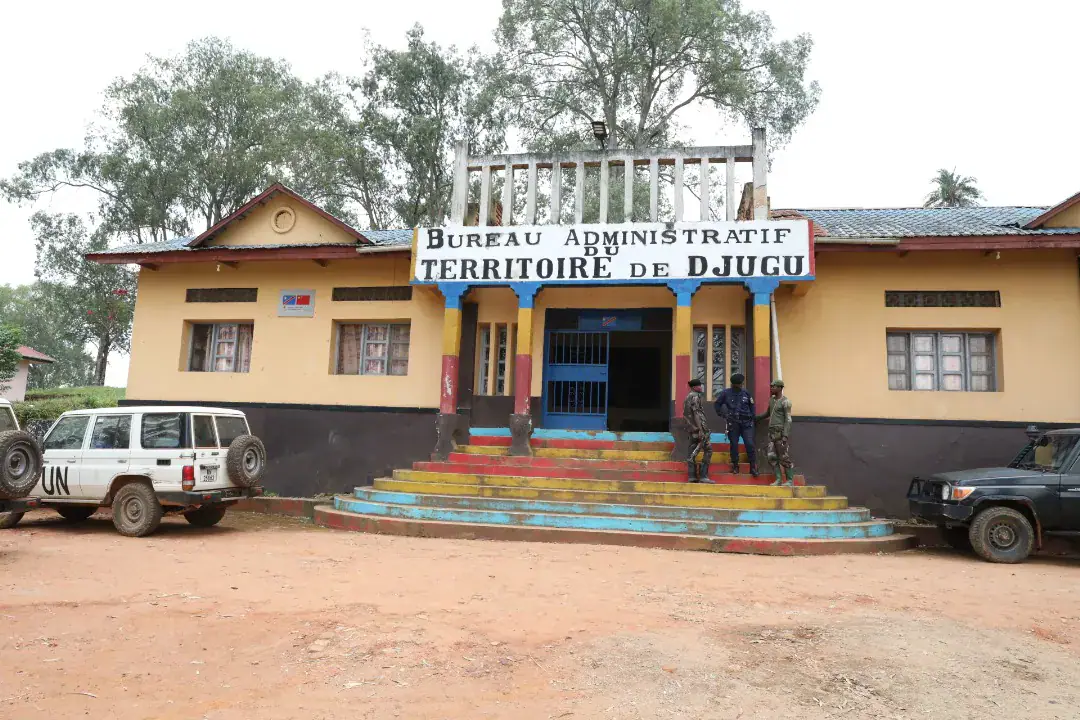
The interim UN humanitarian coordinator in the Democratic Republic of the Congo, Alain Akpadji, has expressed deep concern over recent violence in the Djugu territory of Ituri province. According to reports, clashes began on November 8 in the Fataki health zone, affecting civilians and potentially worsening an already precarious humanitarian situation. Akpadji condemned all acts of violence against civilians, emphasizing that they are not targets and must be protected.
The violence has resulted in at least five civilians being injured in clashes near the Plaine Savo displaced persons site. The site currently hosts over 76,000 displaced people. Gunfire was also reported in the town of Fataki, about 25 kilometers from the site. These incidents have led to restrictions on humanitarian movement since late October, disrupting aid efforts. A humanitarian assessment mission in the area was suspended due to the deteriorating security situation.
The escalation of violence poses a significant threat to the Ebola response efforts in the region. Health authorities and partners are continuing to respond to the epidemic, but access to affected populations is becoming increasingly difficult. Akpadji urged all parties to ensure humanitarian and health personnel can access those in need safely and without restriction. He stressed that secure, rapid, and unhindered access is crucial for protecting populations and saving lives in the context of the Ebola outbreak.
The Ituri province remains one of the most affected areas by armed conflict and population displacement in the Democratic Republic of the Congo. According to the UN, the province has over one million displaced people. Ituri is also at the epicenter of the current Ebola epidemic, accounting for approximately 70% of confirmed cases nationwide. The situation demands immediate attention to address both the humanitarian crisis and the ongoing epidemic.
Akpadji's statement emphasized the importance of respecting international humanitarian law and protecting civilians and civilian infrastructure. All parties are urged to exercise restraint and take measures to prevent further harm to populations. The UN humanitarian coordinator highlighted the critical need for a safe and enabling environment for humanitarian and health workers to operate effectively in the region.
The recent violence in Djugu has significant implications for the humanitarian response in Ituri province. With an ongoing Ebola outbreak and a large displaced population, the situation requires a concerted effort from all parties to ensure access to those in need. The UN and other humanitarian actors are working to address the crisis, but security concerns remain a significant challenge.
The international community is closely monitoring the situation in Ituri province, with concerns over the humanitarian and health implications of the ongoing violence. Efforts to address the root causes of the conflict and support affected populations are essential to mitigating the crisis. The UN and other stakeholders will likely continue to advocate for a peaceful resolution and an enabling environment for humanitarian response efforts.
Key points
- UN humanitarian coordinator Alain Akpadji condemns violence in Ituri province, citing concerns over Ebola response and civilian safety.
- The Ituri province has over one million displaced people and accounts for approximately 70% of confirmed Ebola cases nationwide.
- The violence has disrupted humanitarian efforts, including a suspended humanitarian assessment mission due to security concerns.