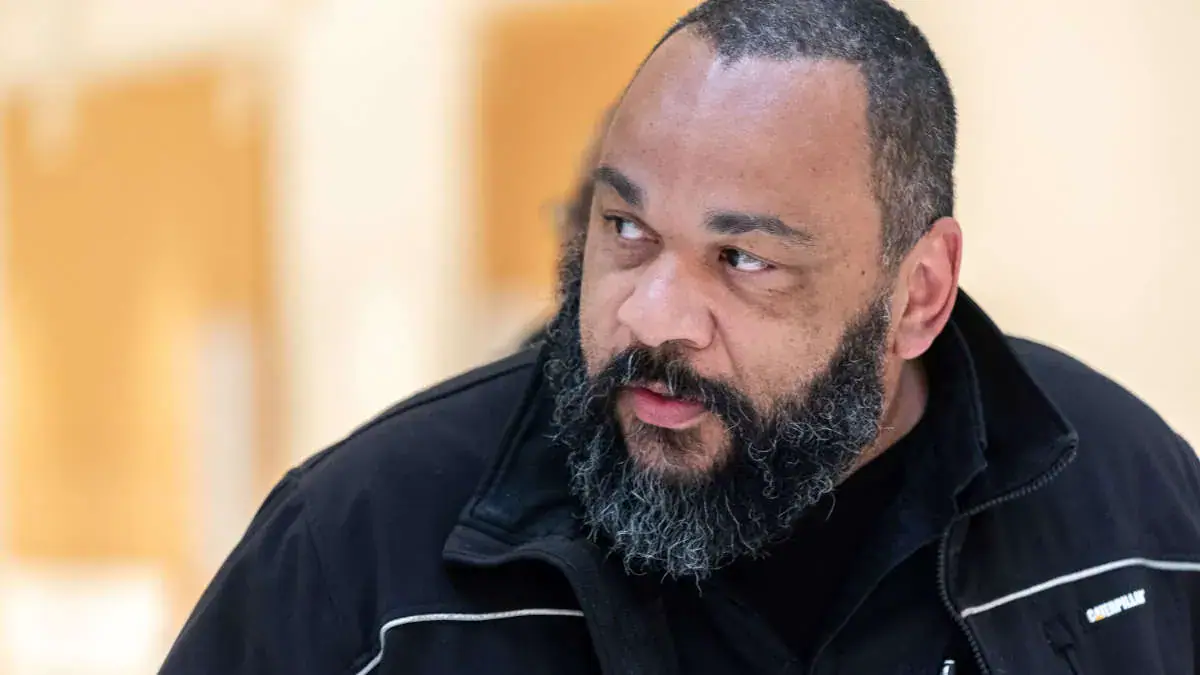
French authorities have prohibited Dieudonné from making any public appearances or speeches in the Allier department, effective immediately. The decision was made by Prefect Christophe Noël du Payrat, who signed an order citing the need to maintain public order and prevent potential terrorist threats. Dieudonné was scheduled to participate in a public meeting with singer Francis Lalanne, a declared candidate in the 2027 presidential election, in the town of Moulins.
The prefect's order explicitly states that it does not target the meeting organized by Francis Lalanne but rather any performance or intervention by Dieudonné as a comedian, director, or author. The decision is based on the Vigipirate plan, which is currently at a heightened level of "reinforced vigilance," indicating a high risk of terrorist threats. Additionally, the prefect invoked his police powers, citing the need to respect human dignity as a component of public order.
Dieudonné reacted swiftly to the decision, publishing the prefect's order on his social media account and denouncing it as an attempt to silence him. He claimed that the ban was not just about a spectacle but about condemning him to silence in all forms of expression. Dieudonné described himself as a "national monument of censorship" and redirected his followers to his website, dieudosphere.com.
However, the prefect's order leaves room for contestation, allowing Dieudonné to appeal the decision to the prefect or the Ministry of the Interior. He can also take the matter to the Clermont-Ferrand administrative tribunal within two months via the Télérecours platform. The tribunal can also be seized as a matter of urgency. This is not the first time Dieudonné has faced such a ban, as he was prohibited from performing in the Tarn-et-Garonne department on November 18.
Despite these decisions, their legal basis remains fragile. In January 2025, an administrative tribunal authorized one of Dieudonné's performances near Paris, ruling that the ban infringed upon his freedom of expression. The current ban raises questions about the balance between public order and artistic freedom in France.
The decision has sparked controversy, with Dieudonné accusing the French administration of overstepping its bounds. The prefect's order emphasizes that any infringement on the ban could result in penal sanctions. Local authorities, including the departmental director of the national police and mayors in the area, are tasked with ensuring the measure is enforced.
As Dieudonné faces this latest ban, his supporters and critics alike are watching closely. The outcome of any potential appeal and the implications for free speech in France will be significant. The French government must navigate the delicate balance between security concerns and the rights of artists to express themselves freely.
Key points
- Dieudonné was banned from public speaking in the Allier department due to concerns over public order and potential terrorist threats.
- The ban was issued ahead of his scheduled appearance at a public meeting with Francis Lalanne, a candidate in the 2027 presidential election.
- Dieudonné has faced similar bans in the past, and the legal basis of such decisions remains a subject of debate.
Reporting sources
- Dieudonné interdit de toute intervention dans l'Allier avant son meeting avec Lalanne · La Nouvelle Tribune