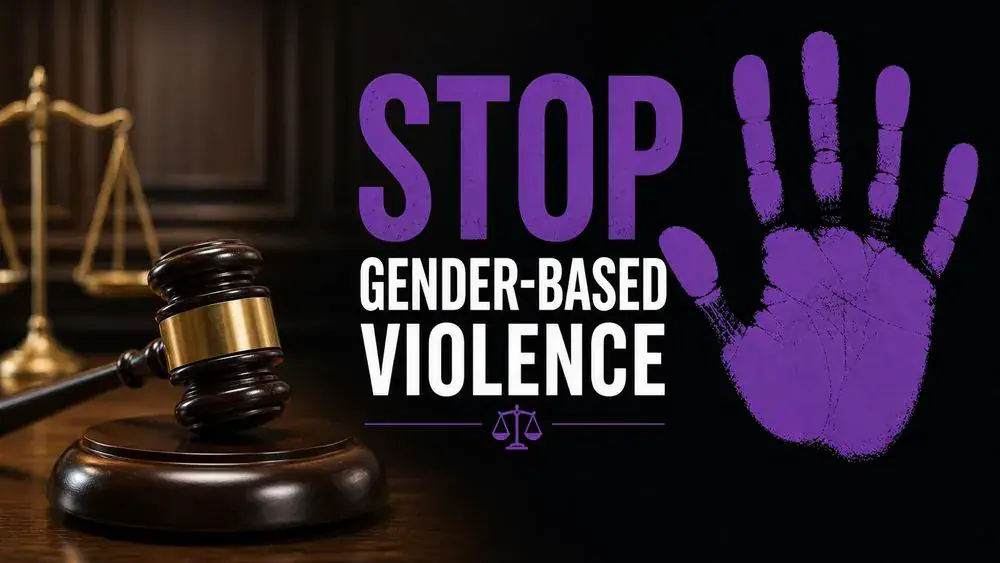
The 16 Days of Activism against Gender-Based Violence campaign has brought national attention to the issue, but for those experiencing abuse, awareness alone is not enough. Dipesh Radia, chief commercial officer at Momentum Insure, emphasizes that recognizing the problem is often the first and hardest step. Abuse can take many forms, including threats, monitoring, isolation, financial control, and behavior that instills fear. Radia stresses that no one should feel alone in an unsafe situation and that they deserve to feel safe.
Many factors prevent individuals from seeking help, including fear of retaliation, shame, financial dependence, and concern for children. Some fear not being believed or doubt the severity of their situation. Radia clarifies that there is no threshold for deserving support and that asking for help is a sign of strength, not weakness. He encourages individuals to reach out to a trusted person, such as a friend, family member, or professional counselor, and to choose a private and safe setting.
Professional organizations offer confidential guidance, counseling, and practical assistance, such as applying for a protection order. Radia advises using a trusted person's device or a safe location to seek help if phone monitoring is suspected. A safety plan, tailored to individual circumstances, can include a safe place to go in an emergency, essential documents, and emergency numbers. Support organizations can help create this plan.
Radia highlights the importance of safety technology as a lifeline, but emphasizes that it cannot replace human support and professional services. He encourages clients and those they care about to know that help is always available. When responding to someone experiencing abuse, it is crucial to listen without judgment, believe them, and offer support in finding professional help.
The 16 Days of Activism campaign aims to shed light on gender-based violence, but it is essential to provide practical solutions for those affected. Radia's message is clear: no one should face abuse alone, and seeking help is a step towards safety. The key is to create a supportive environment where individuals feel comfortable reaching out.
According to recent statistics, 1,150 women were murdered in six months, and areas like Inanda have recorded high numbers of reported rapes. These numbers underscore the urgency of addressing gender-based violence. The response from authorities and organizations, including Momentum Insure, is critical in providing support and resources to those affected.
As the 16 Days of Activism campaign continues, experts stress the importance of knowing who to turn to and how to ask for help. Radia concludes that help is always within reach, and that recognizing the problem and seeking support are crucial steps towards safety. By working together, we can create a safer environment for everyone.
Key points
- No one should feel alone in an unsafe situation and deserves to feel safe.
- Asking for help is a sign of strength, not weakness.
- Safety technology can be an important lifeline, but it cannot replace human support and professional services.
Reporting sources
- How to ask for help when home isn't safe · Pretoria News