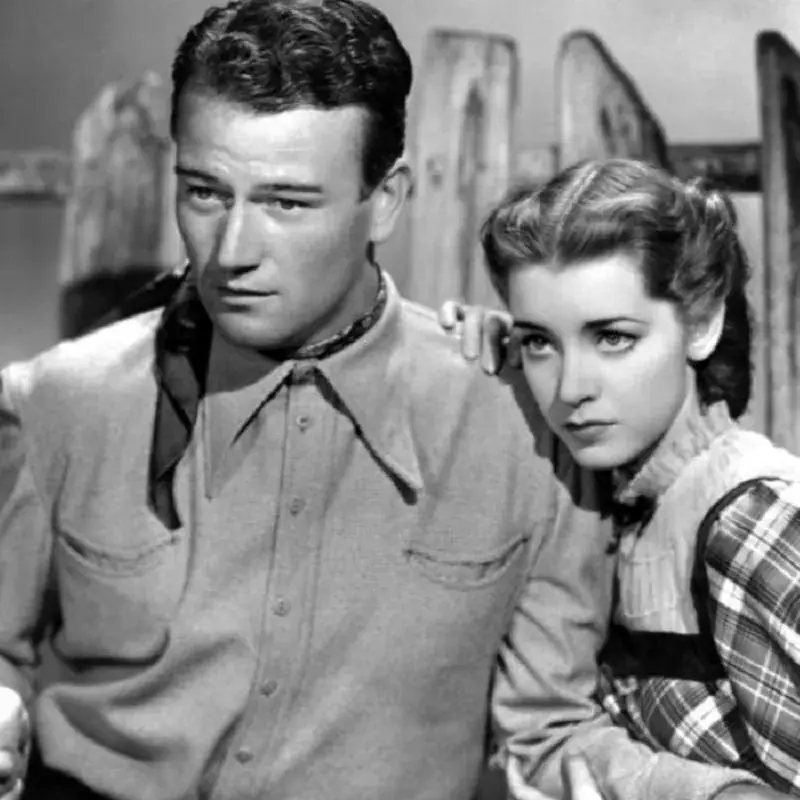
The post-Liberation period in France saw a significant shift in the country's cultural landscape, with the influence of the United States becoming increasingly prominent. The American way of life, with its emphasis on entertainment and consumerism, began to take hold in France. This cultural exchange was facilitated by the 1946 agreement between the US and France, which allowed for the free diffusion of American productions in French cinemas. As a result, Westerns became a staple of French cinema, captivating audiences and sparking debate.
The introduction of Westerns to French audiences was met with both enthusiasm and criticism. Proponents of the genre saw it as a reflection of American values, such as individualism and self-reliance. However, critics, including filmmaker Marcel Carné, expressed concerns that the influx of American productions would lead to the decline of French cinema. The Nouvelle Critique, a Marxist review, noted that Westerns could be a powerful tool for propaganda, influencing the minds of millions of Americans. This criticism was rooted in the context of the Cold War, with the US and USSR engaged in a ideological struggle.
The criticism of Westerns in France also focused on the portrayal of women and the values presented in these films. V magazine criticized the objectification of women in Westerns, noting that female characters were often relegated to the role of damsels in distress. The magazine also highlighted the puritanical values presented in these films, with heroes expected to maintain a strict moral code both on and off screen. This criticism reflected a broader concern about the impact of American culture on French values and society.
The representation of violence in Westerns was another point of contention. Critics noted that while the films often depicted graphic violence, they also presented a sanitized version of reality. The heroes of Westerns were typically portrayed as virtuous and selfless, with violence used as a means to an end rather than an end in itself. This tension between the depiction of violence and the moral code of the heroes reflected a deeper conflict between American and French cultural values.
The impact of Westerns on French culture and society was significant, reflecting a broader trend of American cultural influence in post-war Europe. The genre's emphasis on individualism, self-reliance, and consumerism resonated with French audiences, who were eager to experience the American way of life. However, this influence also sparked concerns about cultural imperialism, with some critics arguing that American culture was being imposed on France without regard for its unique cultural traditions.
The debate over Westerns in France highlights the complex and multifaceted nature of cultural exchange. On one hand, the genre offered a window into American culture and values, allowing French audiences to experience a new and exciting form of entertainment. On the other hand, the influx of American productions raised concerns about the impact on French cinema and culture, sparking a debate that continues to this day.
In conclusion, the Western genre played a significant role in shaping French cultural and social attitudes in the 1950s. As a reflection of American culture and values, Westerns sparked controversy and debate, highlighting the tensions between cultural exchange and cultural imperialism. As France continues to navigate its cultural identity in the modern era, the legacy of Westerns in 1950s France serves as a reminder of the complex and multifaceted nature of cultural exchange.
Key points
- The introduction of Westerns to French audiences in the 1950s reflected a broader trend of American cultural influence in post-war Europe.
- The genre's emphasis on individualism, self-reliance, and consumerism resonated with French audiences, who were eager to experience the American way of life.
- The debate over Westerns in France highlights the complex and multifaceted nature of cultural exchange, sparking concerns about cultural imperialism and the impact on French cinema and culture.