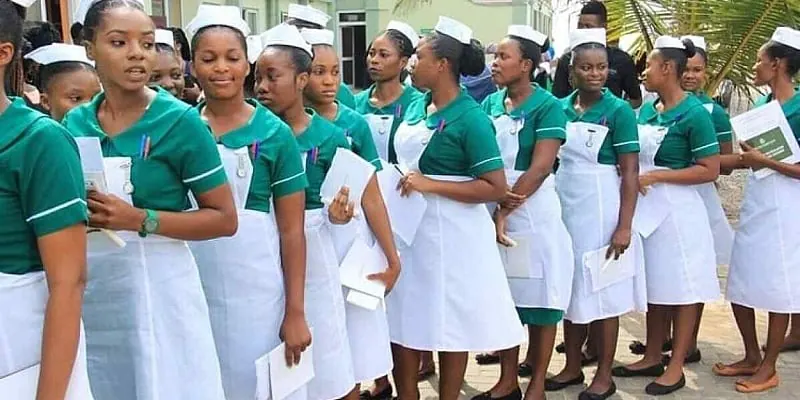
The Ghana Registered Nurses and Midwives Association (GRNMA) has called for increased recruitment of nurses and improved working conditions to sustain the proposed Free Primary Healthcare programme. The Association stated that the programme would increase patient attendance at health facilities, putting additional pressure on nurses, particularly those at the primary healthcare level. Unless adequate personnel, logistics, and infrastructure are provided, the programme's success may be compromised.
The GRNMA, Volta Regional Branch, made this call during the launch of its week-long celebration in Ho on September 30, 2026. The celebration's theme, “Our Nurses, Our Future: Empowered Nurses Save Lives,” highlights the crucial role of nurses in healthcare delivery. Dr. Oliver Commey, Director of Infectious Diseases at Korle Bu Teaching Hospital, Accra, emphasized that nurses are central to the programme's success and must be adequately supported to deliver quality services.
Dr. Commey noted that the Free Primary Healthcare programme would lead to an influx of patients at health facilities, overwhelming nurses who are already under pressure. He stressed that the programme's success depends on increased recruitment and provision of essential resources to enable nurses to manage the expected rise in patient numbers. The care provided by nurses is essential, and they must be equipped to handle the increased workload.
Mr. Courage Kwame-Kumah, Volta Regional Chairman of the GRNMA, highlighted concerns about declining motivation among nurses and midwives. He attributed this decline to poor conditions of service, inadequate working materials, and unfavourable working environments. The introduction of Free Primary Healthcare would increase the workload of nurses at peripheral facilities, raising concerns about the availability of necessary resources to sustain quality care.
Mr. Kwame-Kumah also pointed out that inadequate accommodation, deteriorating hospital infrastructure, and unsuitable equipment affect the welfare and occupational health of nurses. These persistent challenges in the health sector contribute to the increasing desire among nurses to seek employment abroad. Improving working conditions, providing essential equipment, and ensuring decent accommodation could help reduce the exodus of nurses and midwives.
The GRNMA celebration aims to recognise the contribution of nurses and midwives while drawing attention to the support systems required to strengthen healthcare delivery and protect the welfare of practitioners. The Association urged the government and relevant stakeholders to adopt concrete measures to address the concerns rather than allowing the same challenges to persist year after year.
The GRNMA's call for action highlights the critical role of nurses in the success of the Free Primary Healthcare programme. With the programme expected to increase patient attendance, it is essential that the necessary resources and support are provided to ensure that nurses can deliver quality services. The government and stakeholders must work together to address the concerns raised by the GRNMA and provide a conducive working environment for nurses and midwives.
Key points
- The Ghana Registered Nurses and Midwives Association has called for increased recruitment of nurses and improved working conditions to sustain the proposed Free Primary Healthcare programme.
- The programme's success depends on adequate personnel, logistics, and infrastructure to support nurses in managing the expected rise in patient numbers.
- Improving working conditions, providing essential equipment, and ensuring decent accommodation could help reduce the exodus of nurses and midwives.