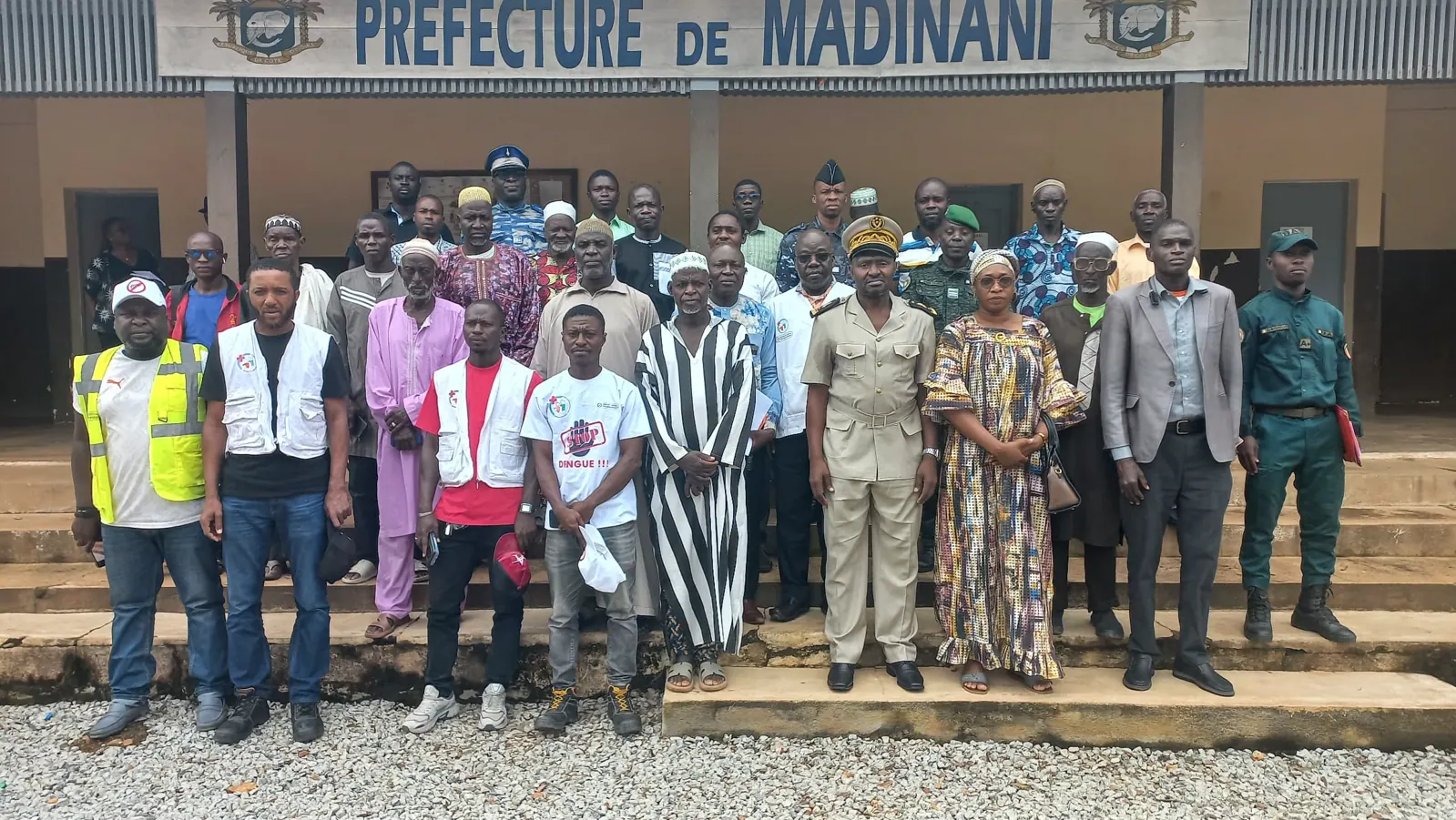
The operation, set to begin soon, aims to curb the spread of dengue fever in Madinani. Entomologist and veterinarian Dr. Kouassi Lambert Konan, who is also a researcher at the National Public Hygiene Institute, revealed that the decision was made after a meeting on Friday, October 2, 2026. The meeting was held at the Madinani prefecture to address the recent surge in dengue cases recorded in July, August, and September.
The operation will be conducted in two phases. The first phase involves a study to identify the mosquito vectors responsible for transmitting dengue fever in Madinani. This study will help health authorities understand the specific mosquito species involved and their habitats. The second phase will focus on raising awareness among households to improve their living environment, particularly in managing water sources that could be breeding grounds for mosquitoes.
Dr. Konan explained that dengue fever is an arboviral disease transmitted by mosquitoes, specifically when an infected mosquito bites a person. He noted that symptoms of the disease typically appear about 14 days after the bite. The disease is not directly contagious from person to person. To prevent the spread of the disease, Dr. Konan advised the public to clean their surroundings by eliminating potential mosquito breeding sites, such as discarded containers that can hold water.
Residents are urged to take proactive measures to prevent mosquito breeding. Dr. Konan recommended covering and regularly maintaining containers used for water storage to prevent mosquitoes from laying eggs. By taking these steps, the public can significantly reduce the risk of mosquito-borne diseases like dengue fever. The operation aims to reduce the mosquito population and subsequently lower the risk of dengue transmission.
Prefect of Madinani, Adama Doumbia, emphasized the importance of collective action in maintaining cleanliness and protecting the environment. He called on authorities, field actors, and the public to work together to make sanitation a shared responsibility. By doing so, they can improve living conditions in the department sustainably. The prefect's appeal highlights the need for a collaborative approach to address the dengue fever outbreak.
The nine-day operation will include a sensitization campaign and an elimination drive targeting mosquito breeding sites. Additionally, an insecticide treatment will be applied to reduce the adult mosquito population. The combined efforts aim to mitigate the dengue fever outbreak and prevent future occurrences in Madinani. The authorities remain committed to protecting public health and ensuring a safe environment for the residents.
The situation in Madinani underscores the need for sustained vigilance and proactive measures against mosquito-borne diseases. With the operation underway, residents are encouraged to cooperate fully with health authorities and take personal responsibility for maintaining a clean and safe environment. By working together, the community can effectively combat the spread of dengue fever and other mosquito-borne diseases.
Key points
- The operation will involve a nine-day campaign to eliminate mosquito breeding sites and reduce the mosquito population in Madinani.
- Dr. Kouassi Lambert Konan emphasized the importance of public awareness and community involvement in preventing the spread of dengue fever.
- The prefect of Madinani, Adama Doumbia, called for collective action to make sanitation a shared responsibility and improve living conditions sustainably.