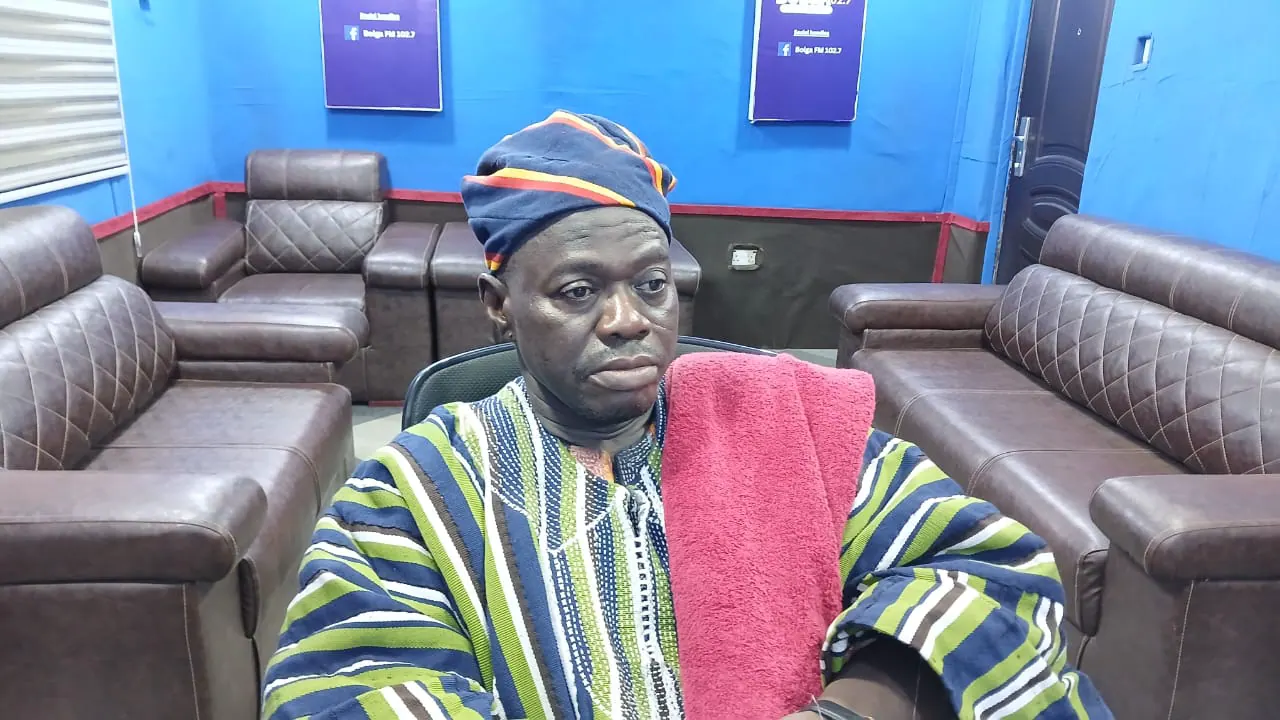
Naab Bileehsing Lanwont Namoog of the Kotintabig Traditional Area has urged reforms to the Upper East Region's chieftaincy system. He believes the system's fragmented nature hinders the region's development. Speaking on Bolga FM's Tooma La Dengo Sanga, Naab Bileehsing argued that the traditional system should allow capable divisional chiefs to advance to paramountcy while maintaining respect for existing traditional authorities.
The chieftaincy system in the Upper East Region has a significant problem, according to Naab Bileehsing. He stated that some paramount chiefs preside over a large number of divisional chiefs, which can hinder growth. For instance, some paramount chiefs oversee 32 divisional chiefs. Naab Bileehsing questioned the effectiveness of this system and suggested that some traditional areas could be elevated to create more opportunities for development.
Naab Bileehsing highlighted that some divisional chiefs have strong educational and professional backgrounds, including PhDs. He believes they could contribute to deliberations and administration at the Regional House of Chiefs if given the opportunity. Creating additional traditional areas should not diminish the authority of existing paramount chiefs but rather broaden representation and attract more development.
The creation of additional traditional areas could increase the number of communities benefiting from development projects. For example, if a new traditional area is created, it could receive its own allocation of projects, such as schools. Naab Bileehsing used this as an example to illustrate the potential benefits of reforming the chieftaincy system.
Unlike the Upper East Region, some regions in Ghana have more centralized traditional leadership structures. Naab Bileehsing cited the Ya-Na in the Northern Region and Wa Naa in the Upper West Region as examples of traditional authorities that can provide greater coordination on regional matters. He expressed concern that the Upper East Region lacks a single institution capable of mobilizing chiefs around regional concerns.
Naab Bileehsing linked the need for greater unity in the Upper East Region to its political representation. He recalled that before the former Upper Region was divided into the Upper East and Upper West regions, the area had 28 parliamentary constituencies. However, the Upper East Region has seen comparatively limited growth in its parliamentary representation since then.
Naab Bileehsing called for stronger cooperation among traditional leaders and other stakeholders in the Upper East Region. He advocated for reforms that would allow capable chiefs to progress within the traditional leadership system while preserving respect for established traditional authorities. This, he believes, would create broader representation and a stronger collective voice for the region's development.
Key points
- Naab Bileehsing calls for reforms to the Upper East Region's traditional leadership system.
- The fragmented chieftaincy system hinders the region's development.
- Creating additional traditional areas could increase the number of communities benefiting from development projects.