Africa is driving an energy revolution with solar power, but the continent needs to find other sources of power supply to close its massive electricity access deficit. Energy think tank Ember estimates that 100,000 solar panels are being installed every day across the continent. When combined with battery storage, which has significantly declined in cost over the last two years, solar technology is key to Africa’s energy future.
The continent is investing billions of dollars a year in conventional energy technologies, including gas-fired power stations, large-scale hydroelectric dams, and wind farms. However, no single technology can meet all of Africa’s needs. Regional variations in the quality of solar resources are significant, and research and development efforts are underway to tap into niche sources of power generation and storage.
One area of focus is generating power or heat from waste products, offering a key opportunity to build a “circular” economy in Africa. Conventional waste-to-energy facilities use long-established technology, burning municipal waste to generate power. Several waste-to-energy projects are underway, including a 30 MW facility in Freetown, Sierra Leone, developed by Infinitum Energy.
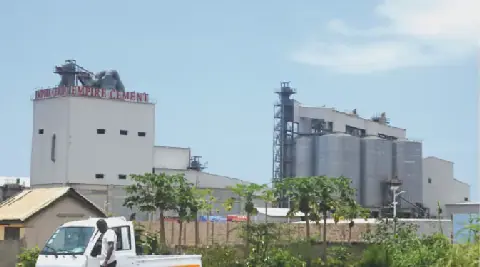
However, conventional waste-to-energy projects are controversial due to pollutants released when waste is burned. Generating power from biomass, such as crop residues, may be better suited to Africa’s needs. The Biovea Energie facility in Côte d’Ivoire, which began supplying electricity to the local grid last year, is a prominent example of a biomass project.
Anaerobic digesters are another option for generating power from biomass, using feedstock ranging from crop residues to cattle manure and human faeces. These biogas plants vary hugely in scale, with many supplying biogas to single households or communities, while larger facilities operate alongside commercial farming operations.
Geothermal power is another area of focus, with Kenya standing out as the only African country that has made developing geothermal power a priority. The East African nation boasts the world’s sixth-largest geothermal power production capacity and relies on geothermal sources for almost half its electricity supply. Advances in technology could make it feasible for more African countries to generate renewable baseload power from geothermal sources.
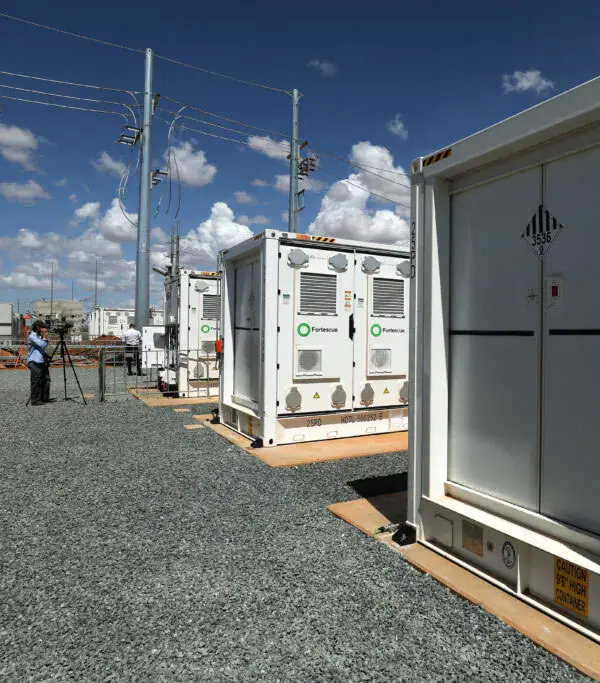
To make greater use of intermittent renewable energy, such as wind or solar power, the ability to store energy is essential. Battery energy storage systems have reduced significantly in cost in recent years, enabling solar power to function more like a baseload source. For example, CrossBoundary Energy completed a project using solar and battery storage to guarantee a continuous supply of at least 30 MW to the Kamoa Copper mine in DR Congo.
Key points
- Solar power is driving Africa’s energy revolution, but the continent needs to explore other technologies to close its electricity access deficit.
- Generating power from waste products and biomass could help build a “circular” economy in Africa.
- Advances in geothermal and energy storage technologies could help African countries access reliable and renewable energy sources.