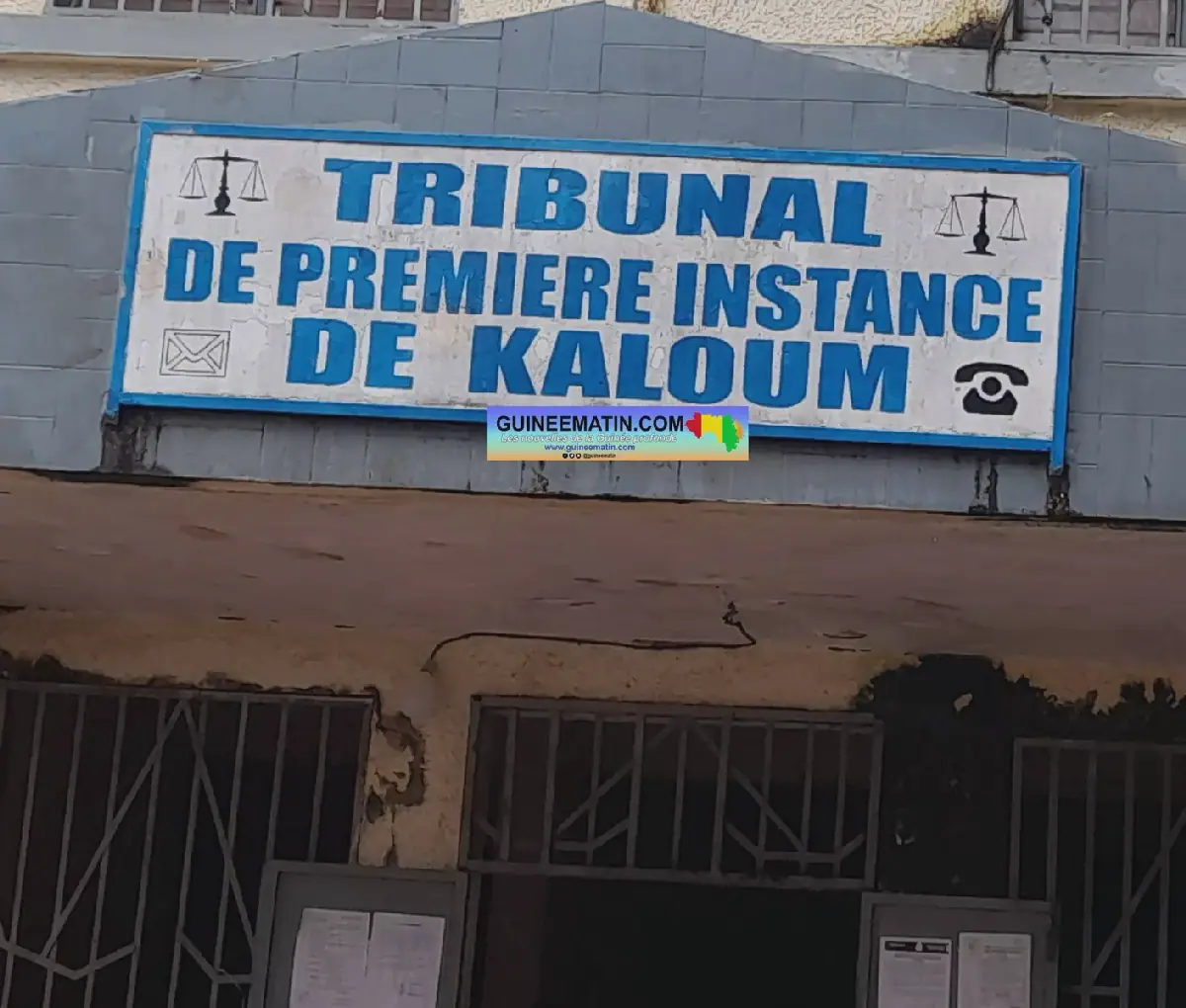
On October 28, 2026, four individuals - Aïssatou Kourouma, Alya Camara, Mohamed Aliou Camara, and Mamadou Djouma Barry - appeared before the Kaloum First Instance Tribunal in Guinea. They were charged with possession and consumption of cannabis and chicha. The accused were intercepted at the Boulbinet port in Kaloum, with Aïssatou Kourouma found with 14 balls of cannabis and Alya Camara with 120 balls. Mohamed Aliou Camara and Mamadou Djouma Barry were found with chicha.
During the trial, the defendants denied the allegations against them. Aïssatou Kourouma, a 25-year-old market vendor, claimed that the police found the cannabis near her sales area, not on her person. She stated that she was selling goods when the police arrived and took the cannabis from beside her. Alya Camara, a carpenter, also denied any knowledge of the cannabis, stating that he was leaving the port when he was apprehended.
The other two defendants, Mohamed Aliou Camara and Mamadou Djouma Barry, also refuted the charges. Mohamed Aliou Camara, a mechanic, claimed that he was arrested without being searched or informed of the reasons. Mamadou Djouma Barry stated that he was heading to the beach when he was intercepted and had no knowledge of the chicha. Each defendant presented their own version of events, contesting the allegations.
Despite their denials, the prosecution requested a one-year prison sentence and a fine of 1 million Guinean francs for each defendant. The tribunal ultimately found all four defendants guilty and sentenced them to one year in prison with probation and a fine of 2 million Guinean francs each. The court also ordered the destruction of the seized evidence.
The defendants' claims of innocence were not enough to sway the court's decision. Aïssatou Kourouma, a married mother of two, and Alya Camara, a carpenter, had both claimed they were unaware of the substances found on them. Mohamed Aliou Camara and Mamadou Djouma Barry had also denied any involvement with the chicha.
The case highlights the ongoing efforts of Guinean authorities to combat the possession and consumption of illicit substances. The tribunal's decision demonstrates the consequences of being found guilty of such offenses in Guinea. The defendants were given a suspended sentence, which may indicate that they will not have to serve time in prison unless they commit further offenses.
The verdict was delivered on October 28, 2026, after a trial that saw the defendants contest the allegations against them. The case was reported by Mamadou Yaya Diallo and Yayé Oumou Barry for Guineematin.com.
Key points
- The four defendants were sentenced to one year in prison with probation and fined 2 million Guinean francs each for possessing and consuming cannabis and chicha.
- The defendants, who included a market vendor, a carpenter, a mechanic, and another individual, denied the allegations against them but were found guilty by the tribunal.
- The case demonstrates Guinea's efforts to enforce laws against the possession and consumption of illicit substances.