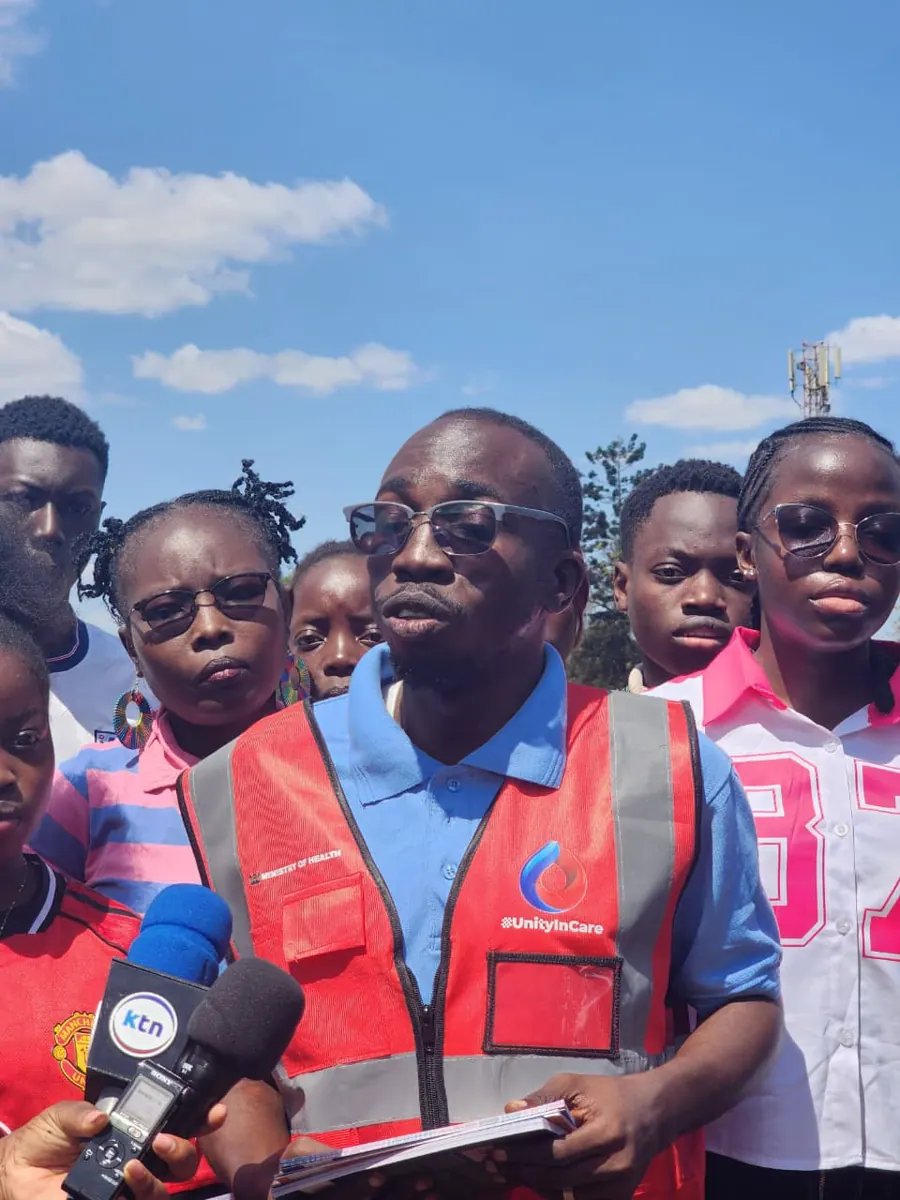
The fifth annual Sickle Cell Charity Football Tournament was held in Nairobi, Kenya, bringing together players, health advocates, and families to raise awareness and support for sickle cell disease. The event, organized by the Children Sickle Cell Foundation, used football as a platform to educate young people about genetics and sickle cell disease. The tournament aimed to challenge misconceptions about the condition and encourage families to seek early diagnosis and consistent treatment.
According to Selina Olwande Ogweno, CEO of the Children Sickle Cell Foundation, football provides an effective way of bringing young people together and reaching them with information about genetics and sickle cell disease. As a caregiver and mother to a young man living with sickle cell, Ogweno emphasized that having sickle cell does not restrict one from living a full life, especially with good support. The event encouraged survivors and partners to share their experiences and encourage families to seek medical help.
Genetic counsellor Sharon Njeri emphasized the importance of knowing one's genotype before having children. She explained that AA is considered the usual genotype, AS represents a carrier state, while SS is associated with sickle cell disease. Njeri also challenged myths surrounding life expectancy, stating that people with sickle cell can live beyond 20 years if they adhere to medication and clinical follow-ups. Her message aimed to dispel common misconceptions and encourage people to take proactive steps in managing the condition.
The French Ambassador to Kenya, Wadid Benaabou, highlighted the need for teamwork in fighting sickle cell disease, involving government, health professionals, civil society, and development partners. He noted that France has made fighting against sickle cell disease a priority and pointed out new opportunities for care, including sickle cell services at Kianda 42 Hospital and other facilities. This partnership aims to improve the quality of care and support for those affected by the condition.
According to Kenya's Ministry of Health, approximately 14,000 children are born with sickle cell disease annually, with high-burden areas including Western, Nyanza, and coastal regions. The Ministry recommends infant screening for early detection and intervention, emphasizing the importance of early diagnosis and treatment in managing the condition. This approach can significantly improve the quality of life for those living with sickle cell disease.
The Sickle Cell Charity Football Tournament also raised funds for affected families and provided a platform for survivors to share their experiences. The event demonstrated the power of football in bringing people together and promoting a positive cause. By leveraging the popularity of football, the organizers successfully reached a wider audience and created a memorable experience for participants and spectators alike.
The success of the fifth annual tournament highlights the impact that collaborative efforts can have in raising awareness and support for sickle cell disease. The event served as a testament to the importance of community involvement, partnerships, and education in addressing this significant health issue. As the campaign continues, it is likely that more people will be reached, and the lives of those affected by sickle cell disease will be improved.
Key points
- The event aimed to challenge misconceptions about sickle cell disease and encourage families to seek early diagnosis and consistent treatment.
- Kenya's Ministry of Health estimates that 14,000 children are born with sickle cell disease annually.
- The tournament used football as a platform to educate young people about genetics and sickle cell disease.