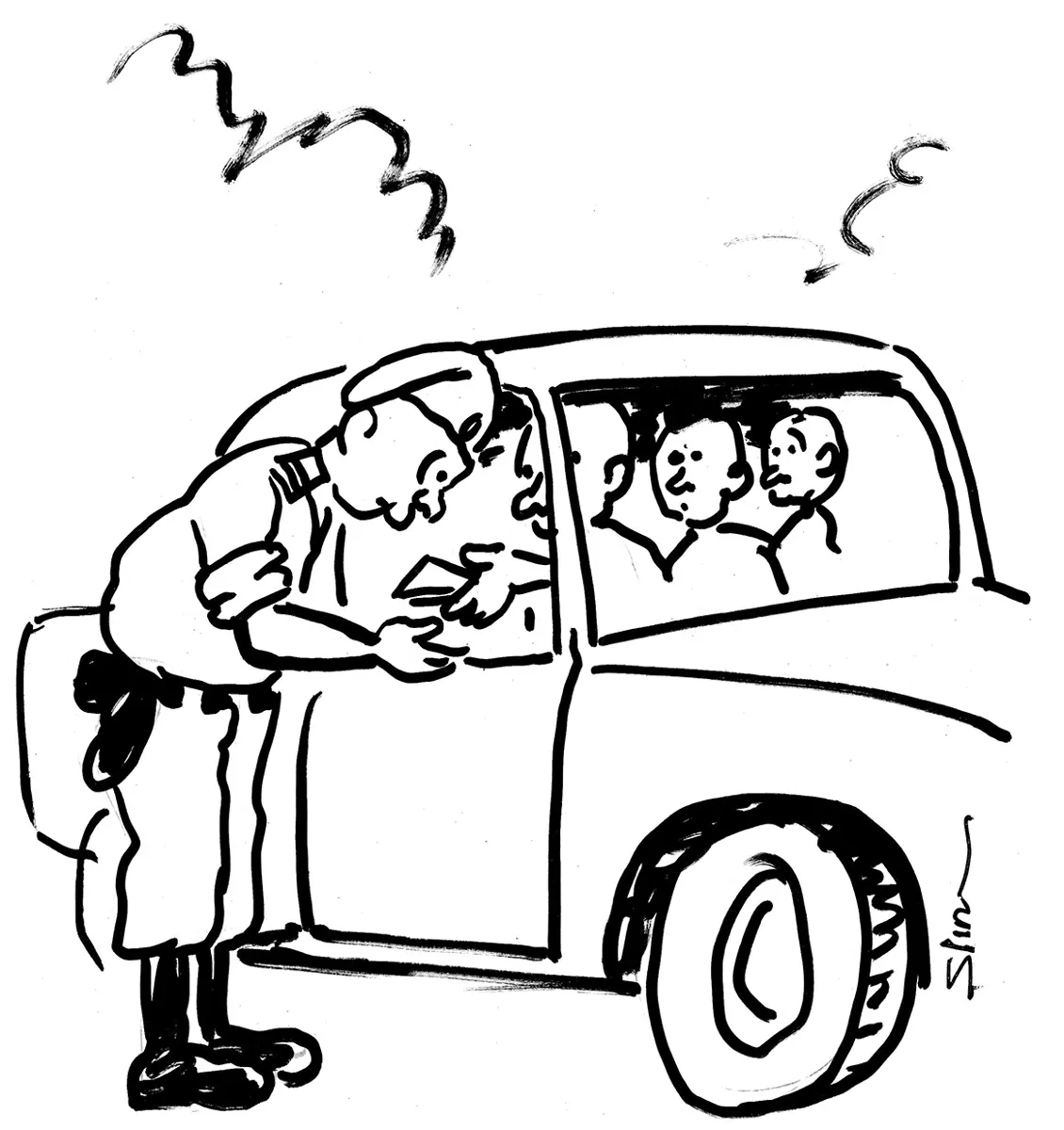
A recent outcry by commuter drivers in Guinea has highlighted the endemic corruption on the country's highways. On the Cona-cris-Pita axis, security agents manning checkpoints are reportedly extorting money from drivers, rather than ensuring road safety and enforcing regulations. With over a dozen checkpoints along this route, drivers are forced to pay 10,000 Guinean francs at each stop. This has resulted in widespread frustration and a recent protest by drivers, which has yet to yield tangible results.
The Guinean gendarmerie routière, or mobile brigade, appears to be inactive in addressing this issue. Instead of focusing on enforcing traffic regulations, agents are more interested in collecting fines from drivers. At one checkpoint, a driver was only asked to produce his license, but not his vehicle registration documents or passenger identification. In another instance, a sergeant-major in civilian clothes used his influence to avoid paying the fine, but his intervention was met with resistance from other security agents.
The corruption is not limited to commuter drivers. Vehicles with administrative plates, such as those belonging to the government, appear to be exempt from these fines. Only private vehicles and commercial trucks are targeted. The lack of effective oversight has emboldened security agents to increase their demands, with some drivers reporting that they have been asked to pay up to 10,000 francs per checkpoint.
The Cona-cris-Pita highway is just one of several routes affected by corruption in Guinea. The Mamou-Dalaba-Pita axis and the Coyah-Kinida-Mamou route also have multiple checkpoints where drivers are forced to pay fines. The situation has become so dire that some drivers have begun to organize protests, calling for an end to the extortion.
Meanwhile, the reconstruction of the RN-5 highway, which connects Mamou to Labé, has been underway for several months. However, the work has been slow, particularly between Dalaba and Pita. The road is marred by potholes, mud, and makeshift detours, making it a challenging journey for travelers. The delays have resulted in increased fuel consumption, vehicle breakdowns, and accidents.
The RN-5 reconstruction project, which spans 135 kilometers, was launched in November 2025 by Prime Minister Amadeus Oury Bah. The project is divided into three lots, with three different companies working on it over a 30-month period. However, at the current pace, it may take longer than expected to complete.
The situation on Guinea's highways has become a pressing concern for commuters and drivers. With corruption and inefficiency plaguing the system, it remains to be seen when meaningful change will occur. As one driver noted, "We are tired of being extorted and exploited. We just want to travel safely and without harassment."
Key points
- Guinea's Cona-cris-Pita highway has over a dozen checkpoints where drivers are forced to pay fines to security agents.
- The Guinean gendarmerie routière appears to be inactive in addressing corruption on the highways.
- The reconstruction of the RN-5 highway has been slow, with potholes, mud, and detours making travel challenging.