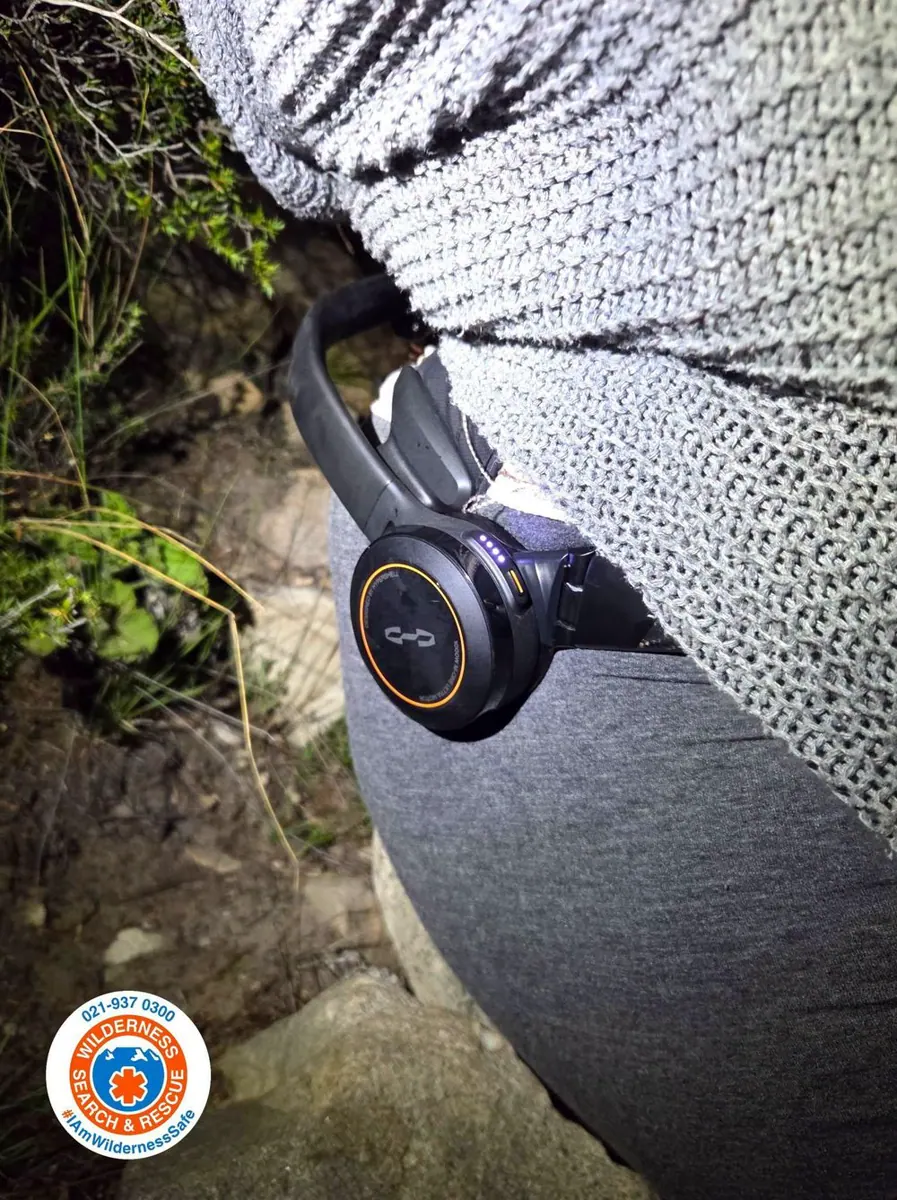
A 47-year-old mother was rescued from Table Mountain on Saturday, September 26, 2026, with the assistance of a lightweight, battery-powered exoskeleton. The device was used for the first time in a South African rescue mission, supervised by Wilderness Search and Rescue (WSAR). The mother, who had climbed Platteklip Gorge with her family, was exhausted and struggling to continue when rescuers reached them.
The family had called WSAR before setting off down the gorge, as the Table Mountain Aerial Cableway had closed and daylight was fading. A small team, including a Western Cape Government Health and Wellness EMS paramedic, headed up to meet them. When the rescuers arrived, the mother was fitted with the exoskeleton, which is worn around the hips and thighs, and assists the wearer's natural movement.
The exoskeleton added power to each step, allowing the mother to walk down the mountain with assistance from rescuers. According to WSAR, "Once it was fitted, her steps became steadier, and her confidence grew." The device enabled the mother to continue down the mountain without requiring a stretcher evacuation.
The successful deployment of the exoskeleton on Saturday showed how the technology can help patients who are exhausted and unable to descend on their own. WSAR noted that the exoskeleton provided another way to help someone off the mountain without committing more people and equipment that would be needed for a stretcher evacuation.
The decision to use the exoskeleton was made by rescuers assessing the person and the conditions in front of them. WSAR emphasized the importance of finding new ways to make each deployment efficient and sustainable, as the number of incidents continues to increase. The organization needs to ensure that teams can respond effectively without unnecessarily committing large numbers of rescuers and resources.
The family's call to WSAR beforehand was critical to Saturday's outcome. The rescue team was able to respond quickly and effectively, and the family was safely off the mountain shortly after 11 pm. The use of the exoskeleton in this incident provided evidence that assisted walking is a safe and viable option in certain situations.
WSAR highlighted the importance of using technology and innovative approaches to resolve incidents safely and efficiently. The organization will continue to assess and implement new technologies, such as the exoskeleton, to improve rescue operations. The successful deployment of the exoskeleton on Saturday marks a significant milestone in the use of this technology in South African rescue missions.
Key points
- The exoskeleton-assisted rescue on Table Mountain marks the first use of this technology in a South African rescue mission.
- The device added power to each step, allowing the mother to walk down the mountain with assistance from rescuers.
- The successful deployment of the exoskeleton showed how the technology can help patients who are exhausted and unable to descend on their own.