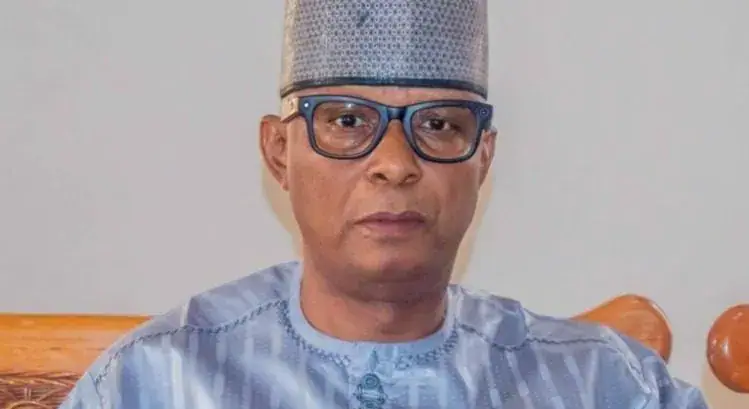
The Federal Government of Nigeria has introduced a new approach to address the country's housing deficit, unveiling a four-pillar strategy to accelerate housing delivery. The strategy focuses on increasing housing supply, making mortgage finance more accessible, fostering private-sector partnerships, and promoting evidence-based policymaking. This initiative was announced by the Minister of Housing and Urban Development, Dr. Muttaqha Rabe Darma, during the groundbreaking ceremony for 2,000 Renewed Hope Housing Units at Lekki Aviation Town, Ibeju-Lekki, Lagos State.
The four-pillar strategy is designed to guide the ministry's efforts in transforming housing delivery from policy formulation to actual projects and completed homes that can improve the living conditions of Nigerians. The initiative is part of President Bola Tinubu's Renewed Hope Agenda and aims to expand homeownership, generate employment, and develop sustainable communities. The project in Ibeju-Lekki is a demonstration of how the government can mobilize private capital, land, and technical expertise to deliver housing at scale.
The Ibeju-Lekki project, being executed in partnership with Harmony Gardens and Estate Development Limited and Metroscape Development Company Limited, will comprise two- and three-bedroom housing units. The estate is located within one of Nigeria's fastest-growing economic corridors and is expected to benefit from economic activities generated by the Dangote Refinery, Lekki Deep Sea Port, and Lekki Free Trade Zone. This strategic location is anticipated to enhance the quality of life for residents and contribute to the local economy.
On the mortgage finance pillar, the government is working towards harmonizing the operations of its agencies to establish a coordinated framework that would improve access to housing finance. Dr. Darma emphasized that increasing housing supply would have limited impact if Nigerians could not afford the houses through accessible financing arrangements. He stressed that a house is only truly accessible when a Nigerian can obtain financing on terms consistent with their income.
The minister also highlighted the importance of effective private-sector partnerships, describing collaboration with developers as critical to mobilizing the resources and expertise required to bridge the housing gap. The project with Harmony Gardens is an example of this approach, which aims to leverage private sector capabilities to deliver quality and affordable housing. Dr. Darma charged the contractors to maintain high construction safety, quality, and environmental standards.
The project has garnered support from various stakeholders, including the Lagos State Governor, represented by Prince Bayo Balogun, who commended Harmony Gardens for its contributions to the development of Lagos, particularly Ibeju-Lekki. The Chairman, House Committee on Urban Development and Regional Planning, Awaji Inombek Abiante, called for integrated planning in executing the 2,000-unit development, warning that housing projects must not create additional challenges in transportation, market access, and the provision of basic amenities.
The project details indicate that prospective homeowners can make an initial deposit of N100,000, with payments spread over 25 years through the Federal Mortgage Bank of Nigeria. This arrangement aims to make homeownership accessible to a wide range of Nigerians, including teachers, police officers, nurses, civil servants, young entrepreneurs, and Nigerians in the diaspora. The initiative is expected to have a positive impact on the lives of many Nigerians by providing decent, safe, and affordable housing.
Key points
- The Federal Government's four-pillar strategy aims to increase housing supply, provide accessible mortgage finance, foster private-sector partnerships, and promote evidence-based policymaking to address Nigeria's housing deficit.