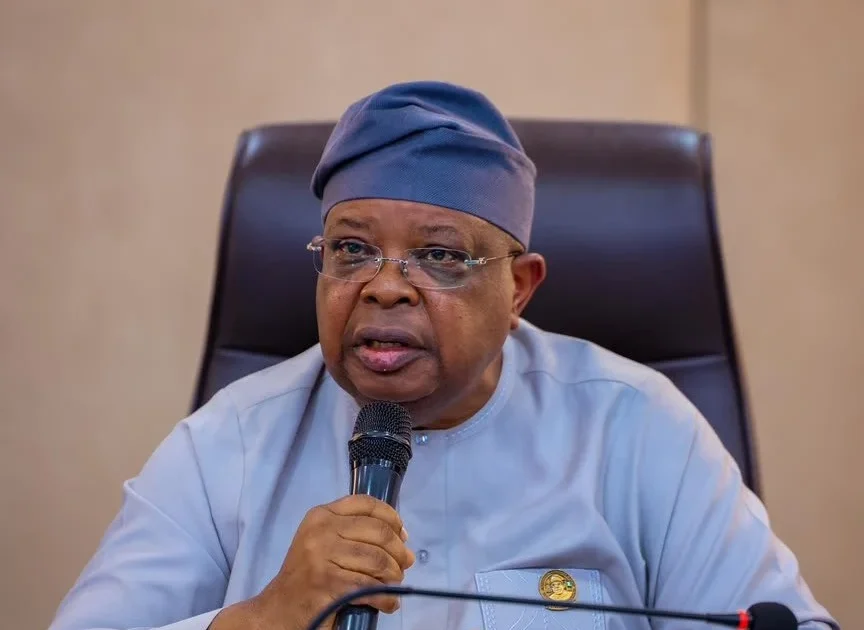
The Federal Government of Nigeria has initiated discussions with electricity distribution companies to establish Energy Zones that will provide 24-hour power supply to major demand centres across the country. This move aims to address electricity distribution constraints and ensure that power generated and transmitted to the national grid reaches consumers more reliably. The Minister of Power, Joseph Tegbe, recently held a closed-door meeting with the leadership of selected distribution companies to discuss the proposed initiative.
The proposed Energy Zones will target high-demand areas, including the Lagos axis, Abuja-Kaduna-Kano, and Enugu-Port Harcourt corridors. These zones are expected to focus on locations where reliable electricity is critical to businesses, manufacturing, and other productive activities. According to the Minister of Power, the challenges facing the power sector extend beyond electricity generation and transmission to the capacity of distribution companies to receive and deliver available electricity to end users.
The Minister of Power, Joseph Tegbe, emphasized that the constraint on the sector is not limited to generation and transmission but includes how much power is taken up and delivered at the distribution end. He stated that the proposed Energy Zones would help close the gap, unlock commercial and industrial demand, and improve the revenue and collection performance of distribution companies. This initiative aligns with President Bola Tinubu’s Renewed Hope Agenda, which identifies reliable electricity supply as a key driver of economic growth, industrialisation, and job creation.
The engagement with distribution companies forms part of Tegbe’s commitment to adopting a disciplined and phased approach to addressing the sector’s longstanding challenges. The meeting was attended by representatives from Abuja Electricity Distribution Company, Ikeja Electric, Eko Power, Ibadan Electricity Distribution Company, and Sahara Energy Group. However, the statement did not provide a timeline for implementation, the proposed capacity of the zones, or the specific infrastructure investments required to deliver round-the-clock supply.
The proposed Energy Zones come amid persistent concerns over the reliability of electricity supply and the ability of distribution companies to deliver available power to consumers. The initiative is designed to expand electricity infrastructure in areas with high demand, noting that supply capacity must grow in line with the needs of Nigeria’s expanding economy. The Minister of Power reaffirmed the Federal Government’s commitment to ensuring reliable electricity supply to drive economic growth and industrialisation.
The distribution companies represented at the meeting are expected to play a crucial role in the development of the Energy Zones. These companies will work closely with the Federal Government to ensure the successful implementation of the initiative. The proposed zones will help to address the challenges facing the power sector and provide reliable electricity supply to homes, businesses, and industries.
The Federal Government’s initiative to establish Energy Zones has been welcomed by stakeholders in the power sector. The development of these zones is expected to have a positive impact on the economy, drive industrialisation, and create jobs. The implementation of the proposed Energy Zones will be closely monitored to ensure its success and impact on the power sector.
Key points
- The Federal Government has initiated discussions with electricity distribution companies to establish Energy Zones that will provide 24-hour power supply to major demand centres across Nigeria.
- The proposed Energy Zones will target high-demand areas, including the Lagos axis, Abuja-Kaduna-Kano, and Enugu-Port Harcourt corridors.
- The initiative aligns with President Bola Tinubu’s Renewed Hope Agenda, which identifies reliable electricity supply as a key driver of economic growth, industrialisation, and job creation.