The Federal Government of Nigeria has initiated preliminary talks on a new national minimum wage to alleviate the economic challenges faced by Nigerian workers. This move is part of a broader effort to address the rising cost of living and ensure fair compensation for workers. According to Dr. Kamil Shoretire, Permanent Secretary at the Federal Ministry of Labour and Employment, these discussions are ongoing, although a formal timetable for negotiations has not been announced.
Dr. Shoretire made these remarks at a capacity-building workshop for labour correspondents in Abuja, highlighting that background discussions are underway among relevant stakeholders. He mentioned that the process will be made public when the government is ready to involve the media and disclose proposed details. The current national minimum wage, set at N70,000 in 2024, has been deemed insufficient by labour unions due to increasing costs of essential goods and services.
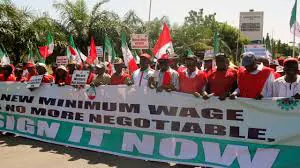
Organised labour has been pressing for a significant increase in the minimum wage, with some unions advocating for a raise to N500,000. This demand is rooted in concerns that workers' incomes have not kept pace with rising costs of transportation, food, housing, and other necessities. Additionally, labour unions are calling for an immediate wage award to cushion the impact of economic pressures on workers.
The unions also link the wage issue to the cost of petrol, arguing that higher fuel prices have substantially increased living expenses for workers. As part of their demands, labour groups are urging the government to reduce the pump price of petrol to N500 per litre. This comes as workers in various sectors continue to face disputes over salaries, allowances, and other employment-related matters.
The Federal Government is engaging with workers in sectors where these disputes remain unresolved. These engagements aim to address outstanding labour issues and maintain dialogue between the government and workers. The government's approach is crucial as discussions over workers' earnings remain a significant issue in the relationship between the authorities and organised labour.
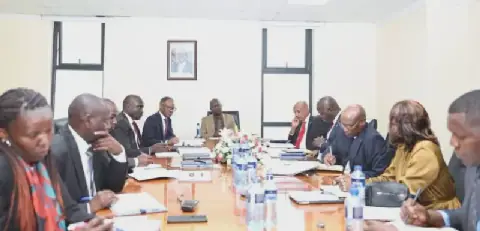
The outcome of the consultations on the new minimum wage will involve negotiations among the government, labour representatives, and other stakeholders. Although a specific date for formal negotiations has not been announced, Dr. Shoretire's disclosure indicates that preparatory discussions have begun. The Federal Ministry of Labour and Employment will likely play a key role in these negotiations.
The new minimum wage negotiations are expected to balance the needs of workers with the economic realities facing the country. With labour unions pushing for substantial increases and the government considering various factors, the talks are set to be complex. The negotiations' success will be crucial in determining the future of workers' earnings in Nigeria and addressing the economic challenges they face.
Key points
- The Federal Government has started preliminary talks on a new national minimum wage.
- Labour unions are demanding a significant increase in the minimum wage to N500,000.
- The negotiations will involve the government, labour representatives, and other relevant stakeholders.