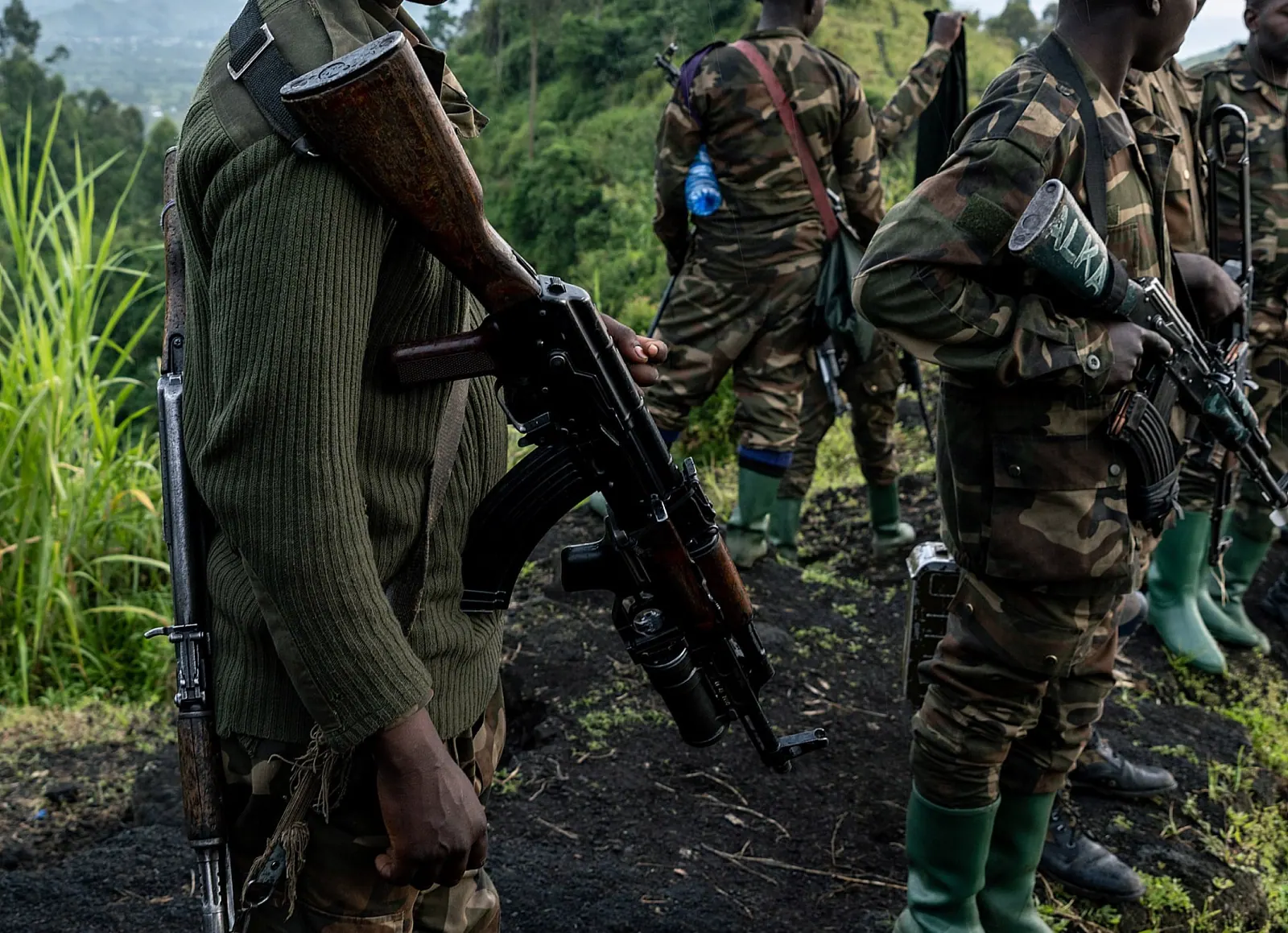
The Forces Démocratiques de Libération du Rwanda (FDLR), a rebel group operating in the eastern Democratic Republic of Congo (DRC), has managed to sustain its military capabilities and presence in the region for over 26 years. According to Lt Col (Demob) Emilien Mpakaniye, a former FDLR commander, the group's economic activities have played a crucial role in its survival. Mpakaniye, who joined the FDLR's military school in 1999, revealed that the group's economic stronghold is built on various activities, including mining, agriculture, and taxation.
Mpakaniye disclosed that FDLR's mining activities, particularly in the provinces of South Kivu and North Kivu, generated significant revenue for the group. The group controlled its own mines and also collected taxes from other miners operating in the areas under its control. He estimated that FDLR's monthly income from mining activities alone was around $300,000 (approximately RWF 400 million). This revenue enabled the group to purchase weapons, pay its fighters, and maintain its military operations.
In addition to mining, FDLR also engaged in large-scale agricultural activities, particularly in the Rutshuru territory. Mpakaniye revealed that the group cultivated around 20,000 hectares of land in the Kazaroho area, generating substantial revenue from crop sales. The group also forced local Congolese farmers to pay taxes, further increasing its income. Furthermore, FDLR's agricultural activities, including the cultivation of cannabis, provided a lucrative source of revenue, with the group selling the produce to various customers, including some MONUSCO soldiers.
FDLR's economic activities also included the exploitation of natural resources, such as ivory, animal skins, and charcoal. Mpakaniye revealed that the group's fighters hunted elephants for their tusks, hippopotamuses for their skin, and rhinos for their horns, which were then sold on the black market. The group also produced charcoal, which was sold in cities like Goma, generating significant revenue. Additionally, FDLR's fighters collected taxes from traders and travelers using roads under its control, providing another source of income.
The group's taxation activities also extended to extorting money from local populations and traders. Mpakaniye revealed that FDLR's fighters would often demand money from travelers and traders in exchange for safe passage. The group also engaged in kidnappings, demanding ransom from the families of those taken. These activities not only provided a source of income but also enabled the group to exert control over the local population.
Mpakaniye's account highlights the complexity of FDLR's economic activities and its ability to sustain itself through a diverse range of revenue streams. The group's economic stronghold has enabled it to maintain its military capabilities and presence in the region, despite efforts by the DRC government and international forces to neutralize it. The FDLR's activities have also raised concerns about the involvement of local authorities and the impact of the group's presence on the local population.
The FDLR's economic activities have significant implications for the stability of the region. The group's ability to sustain itself through various economic activities has enabled it to maintain a strong military presence, contributing to the proliferation of armed groups in the region. With over 200 armed groups operating in the eastern DRC, the FDLR's economic stronghold poses a significant challenge to efforts to bring peace and stability to the region.
Key points
- FDLR's economic activities have enabled the group to sustain its military capabilities and presence in the eastern DRC.
- The group's economic stronghold is built on various activities, including mining, agriculture, and taxation.
- FDLR's activities have significant implications for the stability of the region, contributing to the proliferation of armed groups.