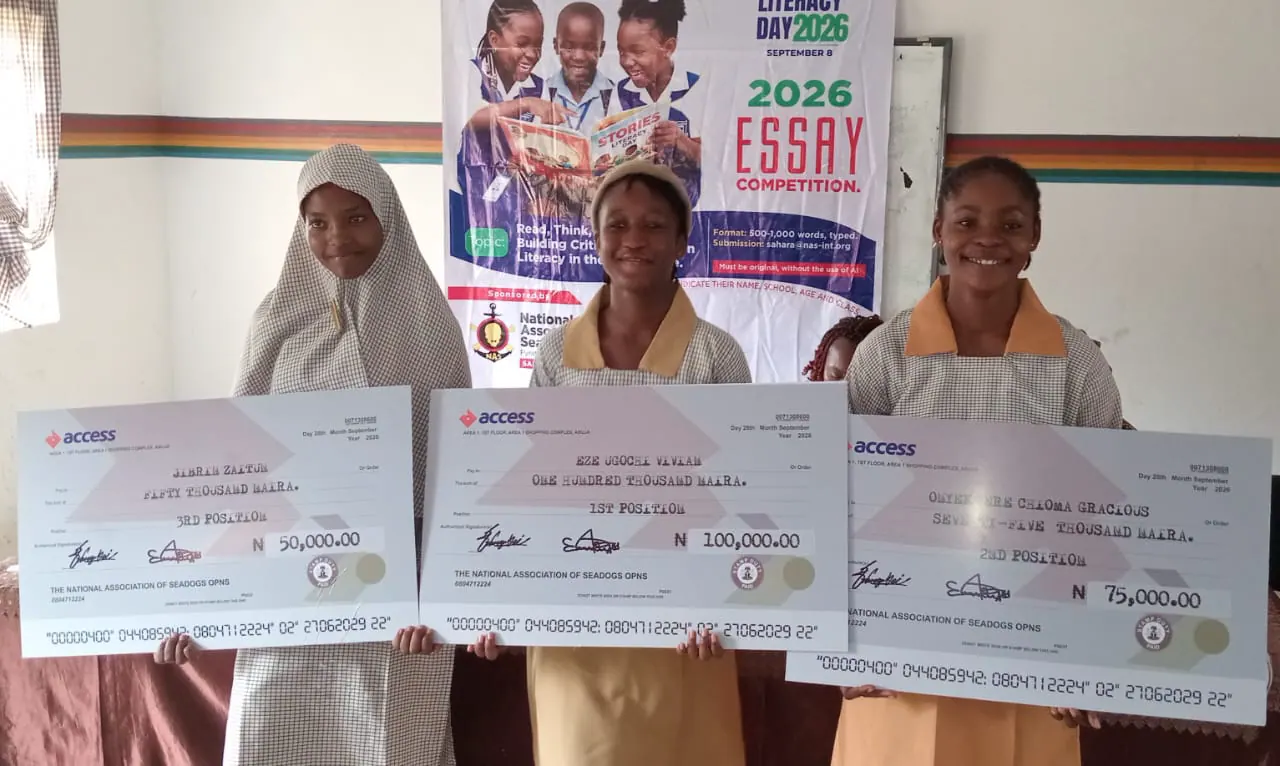
The Federal Capital Territory Secondary Education Board (FCT-SEB) has emphasized the importance of critical thinking and verification in the digital age. At an essay and spelling bee competition in Abuja, the board encouraged students to develop a habit of reading deeply and thinking critically before sharing information. This initiative aims to address growing concerns over misinformation and artificial intelligence (AI) misuse. The competition, organized by Sahara Deck and Zero Meridian Decks, brought together students from FCT secondary schools.
The event's theme, 'Read. Think, Verify: Building Critical Information Literacy in the Digital Age,' was deemed timely by Mrs. Theresa Onuora-Oguno, representing the Acting Secretary/Director of the FCT-SEB. She noted that students have unlimited access to knowledge on their phones but are also exposed to falsehood and misinformation. The rapid spread of information through social media platforms such as WhatsApp, Facebook, and TikTok has made verification crucial. Onuora-Oguno stressed that students must cultivate deep reading habits and distinguish between fact and opinion.
The rise of AI-generated images and cloned voices has further underscored the need for verification. Onuora-Oguno urged students to verify information before sharing or commenting on it. Mastering the principles of reading, thinking, and verifying will enable students to become information-literate and responsible citizens. This will help them discern truth from falsehood and avoid spreading misinformation, ethnic hatred, and false narratives. The competition aimed to develop young Nigerians who can critically assess information.
The essay competition, part of World Literacy Day activities, encouraged students to write, think critically, and develop their speaking and writing abilities. Fifteen students from three schools participated, with five students from each school. The organizers provided guidelines to the participating schools, which selected students to write the essays. An assessor evaluated the submitted essays. The competition's goal was to promote critical thinking and effective writing.
However, the organizers encountered challenges, including compliance with guidelines, language, technology, and AI use. Some students downloaded content from the internet, which was a major challenge. Aloy Atsenokhai, Second Mate of Sahara Deck, emphasized the need for stakeholders to encourage students to produce independent work. This will help them develop their critical thinking and writing skills.
The competition was not just about winning prizes but about developing responsible and critically thinking individuals. Onuora-Oguno believed that by teaching students to read, think, and verify, they can become active participants in the digital landscape. This will enable them to make informed decisions and contribute positively to society. The FCT-SEB remains committed to promoting critical thinking and information literacy among students.
The collaboration between FCT-SEB, Sahara Deck, and Zero Meridian Decks highlights the importance of partnerships in promoting education and critical thinking. By working together, these organizations can empower students with the skills needed to navigate the digital age effectively. As technology continues to evolve, initiatives like this will be crucial in shaping the next generation of critical thinkers and responsible citizens.
Key points
- FCT-SEB urges students to develop critical thinking and verification skills to combat misinformation and AI misuse.
- The 'Read. Think, Verify' initiative aims to promote information literacy among students.
- The essay competition was part of World Literacy Day activities to encourage critical thinking and effective writing.