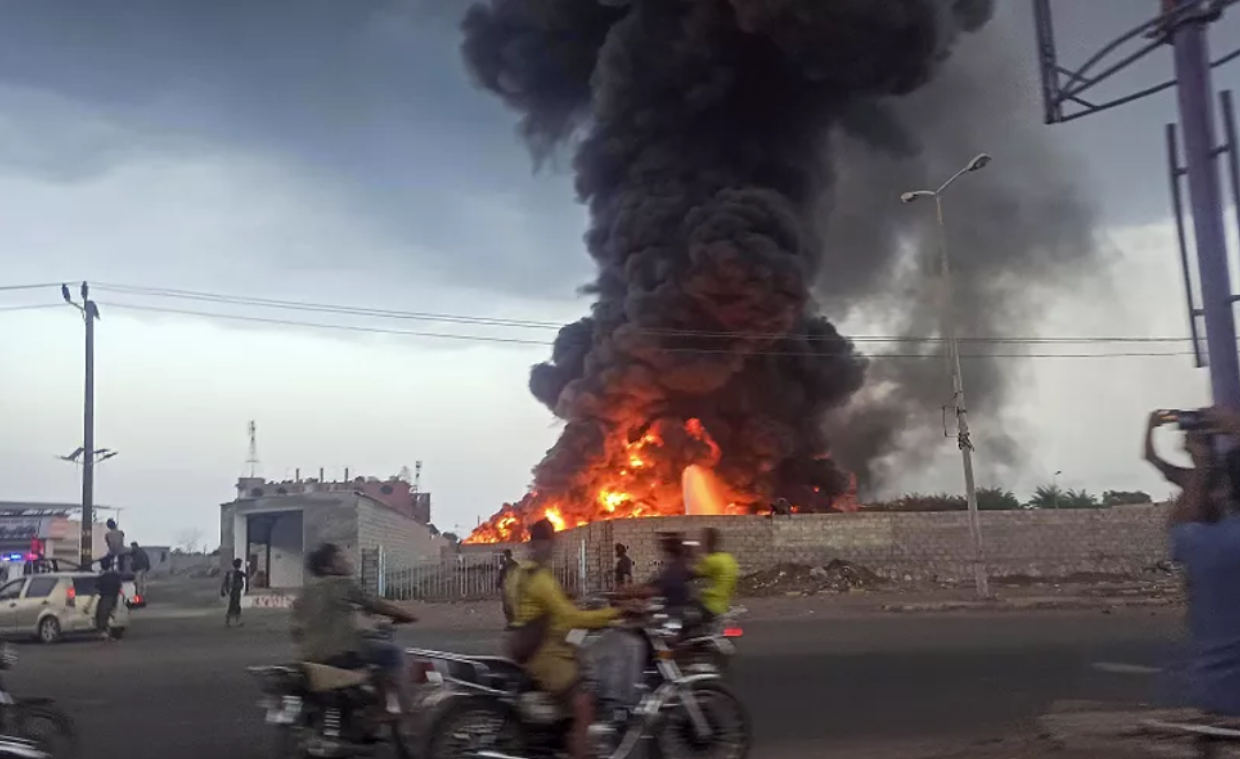
The explosions occurred in the early hours of Sunday, with residents of Riyadh receiving an alert at around 03:00 local time warning of a "hostile aerial threat" and advising them to stay indoors. Two strong explosions were then heard, according to AFP journalists on the scene, before the alert was lifted half an hour later. The authorities have not yet provided details on the cause of the alert or any potential damage or casualties.
The incident marks the first time Riyadh has been targeted since the escalation of conflict between Saudi Arabia and the Houthis in July. The Houthis, who are backed by Iran, have recently made significant gains in Yemen, capturing key territory along the Red Sea coast and threatening the strategic Bab el-Mandeb strait. The conflict has already had a significant impact on the global economy, with oil prices rising above $100 per barrel.
The Houthis have been responsible for a series of attacks on Saudi Arabian targets in recent weeks, including oil facilities and military bases in the south and on the Red Sea coast. However, Riyadh had not previously been targeted. The Saudi-led coalition has been fighting the Houthis in Yemen since 2015, and the conflict has resulted in significant humanitarian suffering, with thousands of people displaced or killed.
Residents of Riyadh described the experience as "terrifying". One 27-year-old resident, who wished to remain anonymous, said he had been awoken by the alert and had felt his windows shaking. "I was really scared, I didn't expect it," he said. Another resident, also speaking on condition of anonymity, described being "very anxious" due to the uncertainty surrounding the alert.
The incident has raised concerns about the security situation in Saudi Arabia, which has been under threat from the Houthis in recent weeks. The US and other Western countries have condemned the Houthi attacks, and there are fears that the conflict could spread beyond Yemen's borders. The Saudi government has accused the Houthis of targeting civilian areas, including the holy city of Mecca.
The conflict in Yemen has had significant economic implications, with the global shipping industry already disrupted by the closure of the Strait of Hormuz by Iran. The Bab el-Mandeb strait, which connects the Red Sea to the Gulf of Aden, is a critical waterway for international trade, and any disruption to shipping could have far-reaching consequences. According to maritime tracking firm Kpler, only five Saudi-bound cargo ships have passed through the strait in the past week, a significant reduction in traffic.
The conflict in Yemen began in 2014, when the Houthis seized control of the capital Sanaa and other regions. The Saudi-led coalition intervened in 2015, and a fragile truce was agreed in 2022. However, the truce broke down in July, when the Houthis allowed an Iranian plane to land in Yemen, in defiance of Saudi Arabian control of the country's airspace. The UN has reported that at least 112,000 people have been displaced in Yemen since the conflict escalated in September.
Key points
- The explosions in Riyadh mark the first time the Saudi capital has been targeted since the escalation of conflict with the Houthis in July.
- The conflict in Yemen has had significant economic implications, including a rise in oil prices and disruptions to global shipping.
- The Houthis have made significant gains in Yemen in recent weeks, capturing key territory along the Red Sea coast and threatening the strategic Bab el-Mandeb strait.