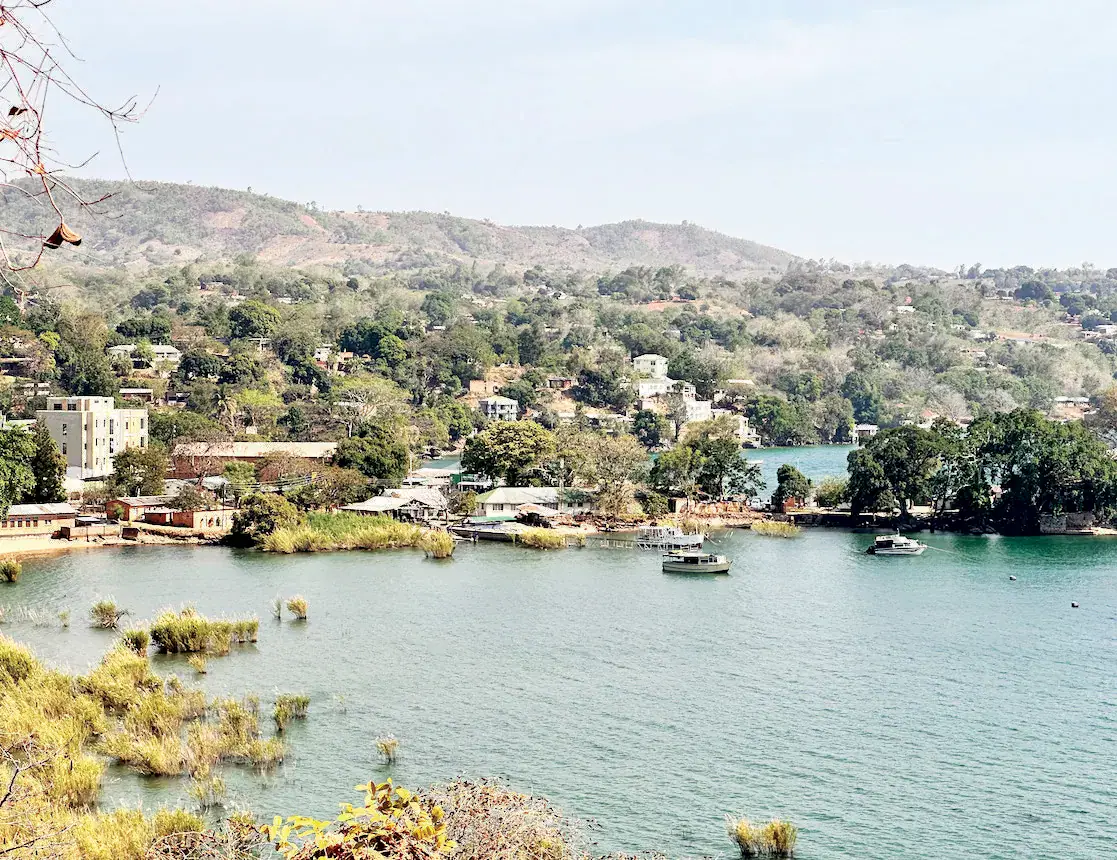
Nkhata Bay District in Malawi is often associated with its stunning Lake Malawi beaches, lakeside lodges, and breathtaking sunsets. However, the district has a rich cultural and geographical identity that extends far beyond its familiar tourist attractions. The Tonga people, who have lived in the area for generations, have shaped the district's history, culture, and everyday life. Their stories, traditions, and livelihoods are an integral part of Nkhata Bay's identity.
The beauty of Nkhata Bay lies not only in its physical landscape but also in the memories and experiences of its people. Community life was once defined by simple yet meaningful interactions, such as neighbors visiting each other for salt or sharing meals. In the highlands, cassava was a staple crop, and people would often walk miles to reach the lake and buy fish. This side of Nkhata Bay may surprise those whose experience of the district is limited to the lakeside lodges.
Childhood memories of Nkhata Bay are filled with simplicity and joy. Under the moonlight, children would gather to dance, play games, and laugh freely. These nights were an essential part of community social life, creating lasting memories. The excitement of welcoming someone back from South Africa after many years was a special occasion, marked by cultural expressions like Malipenga and Chilimika dances.
Nkhata Bay's cultural identity is also reflected in its numerous communities, each with its own history and traditions. Places like Fukamalaza, Kamphambali, Timbiri, and Mkumpha are not just names on a map but represent communities, homes, livelihoods, and landscapes. These areas deserve to be included in Nkhata Bay's tourism story, allowing visitors to discover the district's rich cultural heritage.
One of the unique destinations in Nkhata Bay is Usisya, known as the Island on Mainland, located in the northeastern part of the district. Usisya offers a distinctive landscape, with steep, forested hills and dramatic mountain ranges. Visitors can travel by water or take a challenging dirt road journey, making the experience just as memorable as the destination.
Nkhata Bay's agricultural landscapes are another aspect of its tourism story. The rubber plantation at Vizara, along the M5 Road, offers a different experience from the lake views. Further exploration into Banga, Chombe, and Kawalazi Tea Estate reveals the district's tea-growing landscapes, while Chikwina's coffee-growing landscape adds to the area's agricultural character.
To truly appreciate Nkhata Bay, visitors must be willing to venture beyond the familiar tourist routes and explore the district's communities, hills, and plantations. By doing so, they can gain a deeper understanding of the area's cultural and geographical richness, meet the locals, learn about their traditions, and experience the unique character of Nkhata Bay.
Key points
- Nkhata Bay's cultural identity extends far beyond its popular lake beaches and tourist attractions.
- The district has a rich geographical and cultural heritage, with numerous communities, each with its own history and traditions.
- Visitors can explore Nkhata Bay's agricultural landscapes, including rubber plantations, tea estates, and coffee-growing areas.