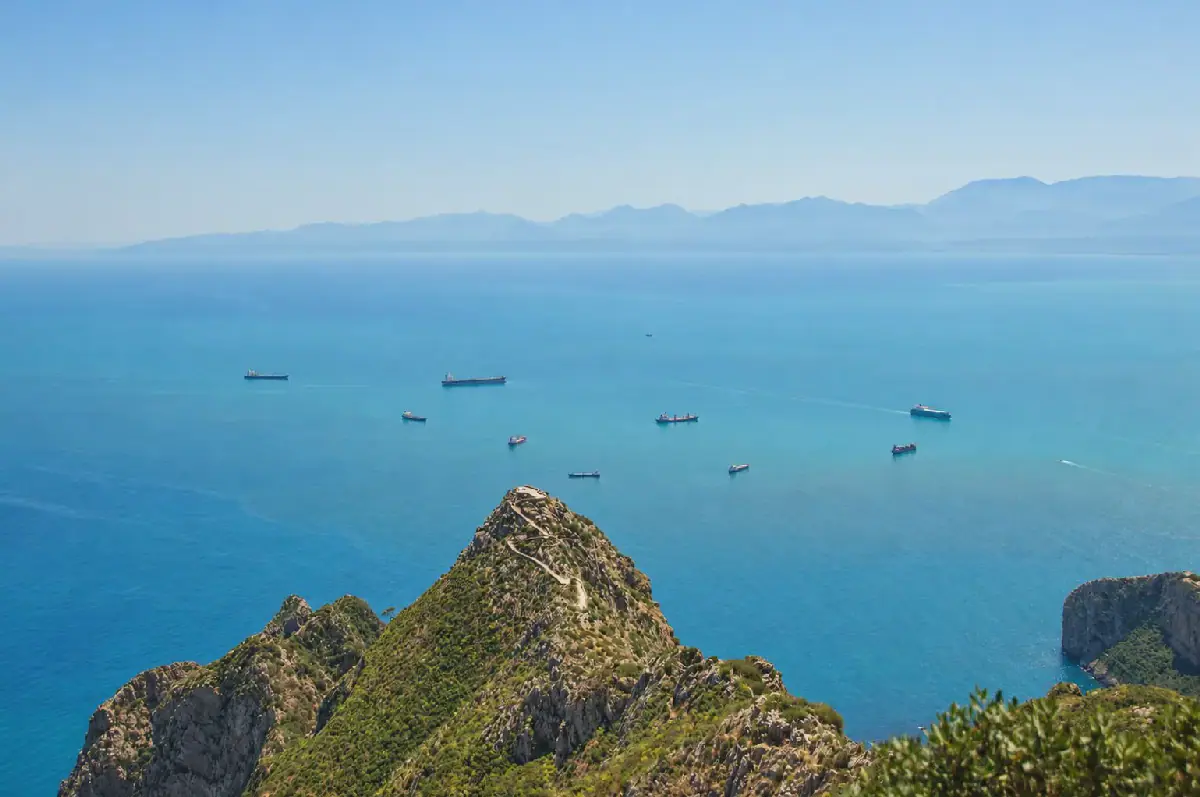
Located in the heart of Béjaïa, Algeria, Gouraya National Park is a treasure trove of natural wonders, situated between the Mediterranean Sea and the mountainous landscape. Established in 1984 to protect the region's unique ecosystem, the park spans over 2,080 hectares of forest, 12 kilometers of coastline, and a small lake. In 2004, UNESCO designated Gouraya National Park as a biosphere reserve, recognizing its exceptional biodiversity and commitment to balancing conservation with human activities.
One of the park's most iconic landmarks is Cap Carbon, boasting the world's highest natural lighthouse, standing at 220 meters above sea level. The lighthouse, constructed in 1864, serves as a crucial navigation aid for ships approaching the port of Béjaïa. While visitors cannot access the lighthouse itself, the surrounding belvedere and hiking trails offer breathtaking views of the Mediterranean. According to local legend, a cave beneath the lighthouse once provided refuge for the Catalan philosopher Raymond Lulle.
Gouraya National Park is also renowned for its thriving population of Barbary macaques, also known as "singes magots." The park's Pic des Singes is a prime location for observing these fascinating creatures in their natural habitat. Visitors are advised to maintain a safe distance and refrain from feeding them, as human food can harm their health and alter their behavior. The park's unique blend of flora and fauna makes it an attractive destination for nature lovers and researchers alike.
The park features an array of hiking trails, catering to different skill levels and interests. The Cap Bouak and Aiguades trails offer more leisurely strolls along the coast, providing stunning views of the bay. For more experienced hikers, the fort de Gouraya, situated at 660 meters altitude, presents a challenging yet rewarding climb. Visitors can also explore the mausolée de Yemma Gouraya, open during daylight hours. It is recommended to plan hikes during spring and autumn, when the weather is mild, and to bring essential supplies, including water and sturdy footwear.
Gouraya National Park is home to two museums that showcase the region's rich cultural and geological heritage. The écomusée du savoir-faire local, located on the outskirts of Sidi Ahmed, exhibits traditional craftsmanship and agricultural practices. The park's second museum, dedicated to geology, was established in 2003 and features an extensive collection of minerals, rocks, and fossils. The museum, designed in collaboration with the Gehimab association and geologist Yves Bodeur, offers a unique insight into the region's geological history.
Visitors to Gouraya National Park can enjoy a range of activities, from hiking and wildlife observation to exploring the park's cultural attractions. The park's administration welcomes visitors from Sunday to Thursday, between 8:30 am and 4:30 pm. Private tour operators also offer guided tours for those seeking a more in-depth experience. With its free admission and proximity to Béjaïa's city center, Gouraya National Park is an ideal destination for families, nature enthusiasts, and anyone seeking to discover Algeria's hidden gems.
To make the most of a visit to Gouraya National Park, it is essential to plan ahead and take necessary precautions. Visitors are advised to wear comfortable shoes, bring sufficient water and sun protection, and respect the park's rules and regulations. A picnic is a great way to enjoy the park's scenery, but visitors must ensure they leave no litter behind. By following these guidelines, tourists can contribute to the park's conservation efforts and enjoy a memorable experience in this Algerian treasure.
Key points
- - Gouraya National Park was designated as a UNESCO biosphere reserve in 2004. - The park features the world's highest natural lighthouse, Cap Carbon, standing at 220 meters above sea level. - Visitors can explore the park's scenic hiking trails, including the Cap Bouak and Aiguades trails, and observe the region's unique wildlife, such as Barbary macaques.