Energy sector analysts in Ghana are warning the government against repeating the same due diligence errors that led to the termination of the Power Distribution Services (PDS) concession agreement in 2019. The agreement's collapse resulted in significant financial losses for the country. Experts argue that proper due diligence could have saved the deal and substantially benefited Ghana. The country's energy sector has been impacted by the failure of the agreement.
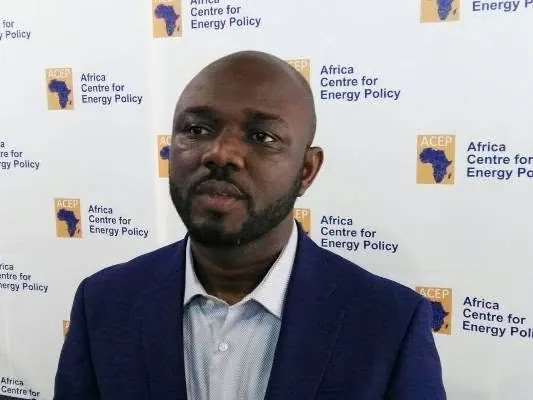
The Executive Director of the African Centre for Energy Policy (ACEP), Benjamin Boakye, stated that the termination of PDS came at a real financial cost to Ghana. He argued that the country could have gained substantially from the arrangement if the relevant institutions had carried out proper due diligence before the deal was signed and as problems emerged afterward. Boakye also noted that the transaction could have been rescued if Ghana had prioritized curbing the roughly $2 billion in annual losses at the Electricity Company of Ghana (ECG).
According to Boakye, the government's decision to treat PDS as a private company responsible for meeting certain demand guarantees, including an insurance guarantee, was problematic. He said that while the government had every right to investigate suspected fraud, it had not addressed the deeper structural problems at ECG that ultimately led to the deal's collapse. Boakye's comments were made during an online discussion examining the failure of the agreement.
Other experts, including Patrick Stephenson, Country Manager of the Natural Resource Governance Institute, have called for more thorough pre-contract engagement, greater transparency, and stronger public institutions to oversee future state deals of this scale. They argue that the state has already paid a heavy price because of weak due diligence in major public transactions. Stronger due diligence is necessary to prevent similar financial losses in the future.
The ongoing investigation into an alleged GH¢815 million owed to ECG has raised questions about its legal footing. Ghana Law School lecturer Bobby Banson argued that the core issues in the agreement had already been settled and suggested the matter might be more appropriately handled as a civil dispute rather than a criminal one. Banson urged the state to pursue civil action if it wants to recover the disputed amount.
The PDS concession was terminated in 2019 amid a dispute over guarantees the company was required to provide. An international arbitration tribunal found no evidence of fraud connected to the deal. The government is now seeking to recover money it says ECG is owed, a process that has led to arrests of individuals connected to the original agreement. The legal basis of these arrests remains unclear.
The fallout from PDS matters because ECG's financial health and losses directly shape electricity reliability and the pricing pressures that inform tariff decisions. The panel's warning is that without stronger due diligence and transparent processes, future attempts to bring in private investment or partners for state utilities could carry similar risks of collapse and financial loss. The government has not provided a timeline for its recovery efforts or related investigations.
Key points
- Experts warn Ghana's government against repeating due diligence errors in the terminated PDS power distribution deal.
- The deal's collapse resulted in significant financial losses for Ghana.
- Stronger due diligence is necessary to prevent similar financial losses in the future.