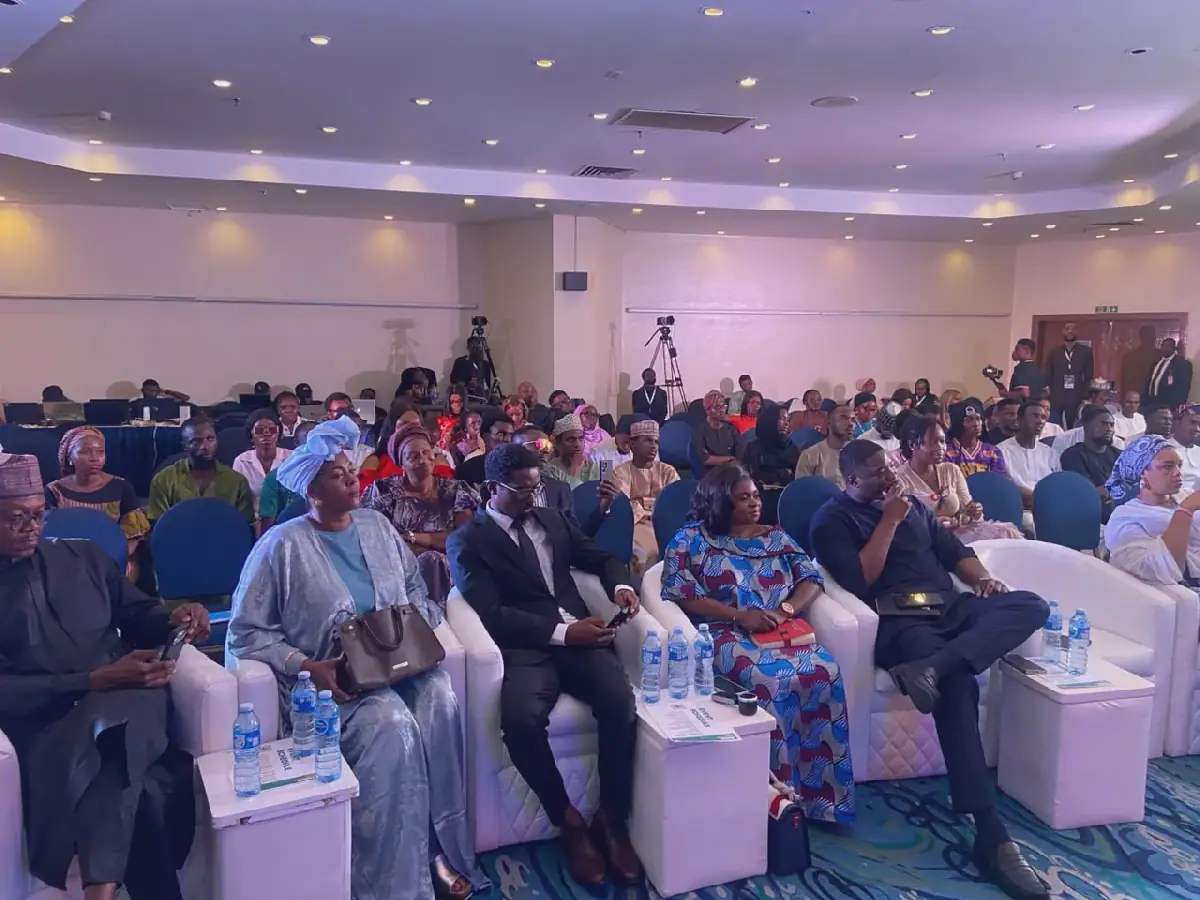
Experts have identified poor leadership, lack of mentorship, and poor succession planning as major factors contributing to the collapse of many Nigerian businesses and institutions after their founders' exit. They emphasize the need for deliberate efforts to groom younger leaders and build strong institutions capable of sustaining achievements across generations. This was a key discussion at the second edition of the National Discourse organised by My Gore Mentoring Club in Abuja.
The keynote address was delivered by Dr. Sam Amadi, Director of Abuja School of Social and Political Thoughts. He stated that Nigeria's major challenge is the failure to build institutions around enduring visions, knowledge transfer, and value creation. Amadi lamented that many Nigerian businesses cannot survive beyond their founders, unlike global companies and institutions that have remained relevant for decades through effective succession planning and adaptability.
Amadi cited Toyota, Ford, and MacArthur Foundation as examples of organisations that have sustained their visions across generations. He emphasized that sustainable succession requires strong leadership, rigorous thinking, capacity building, deliberate mentorship, and the ability to adapt to changing circumstances. Amadi also addressed political leadership, stating that Nigeria's problem is not necessarily the age of its leaders but the absence of vision, integrity, and commitment to national development.
Mervon Samuel Jr, Convener of My Gore Mentoring Club and the National Discourse, said the conference aimed to address the failure of businesses, religious organisations, and government institutions to sustain achievements beyond their founders. He lamented that many businesses that once dominated the Nigerian market have disappeared due to a lack of clear succession plans. Samuel also criticised successive governments for abandoning projects and policies initiated by their predecessors.
Samuel urged business owners and political leaders to identify and mentor capable successors instead of hoarding knowledge and experience. He disclosed that My Gore Mentoring Club has trained nearly 40,000 people and has a membership of about 8,500. Samuel emphasized the importance of passing the baton to capable successors while still alive, comparing life to a relay where leaders must pass on their knowledge and experience.
Zainab Bello, a politician, community leader, and businesswoman, identified poor character and lack of humility as major obstacles to effective mentorship and leadership succession. She emphasized that young people must demonstrate good character, discipline, and a willingness to learn to earn the confidence of older leaders. Bello accused older political leaders of deliberately denying young people opportunities to assume leadership positions.
Bello also urged political parties to give women greater opportunities ahead of the 2027 general elections, expressing concern over the limited participation of women in Kano politics. She argued that cultural and religious considerations should not be used to deny women leadership positions. Bello, who expressed ambition to become a senator, governor, and eventually president, said women are capable of providing effective leadership if given the opportunity.
Key points
- Experts blame poor leadership and lack of mentorship for the collapse of Nigerian businesses.
- Sustainable succession requires strong leadership, rigorous thinking, and deliberate mentorship.
- Women participation in politics is limited, and they should be given greater opportunities.