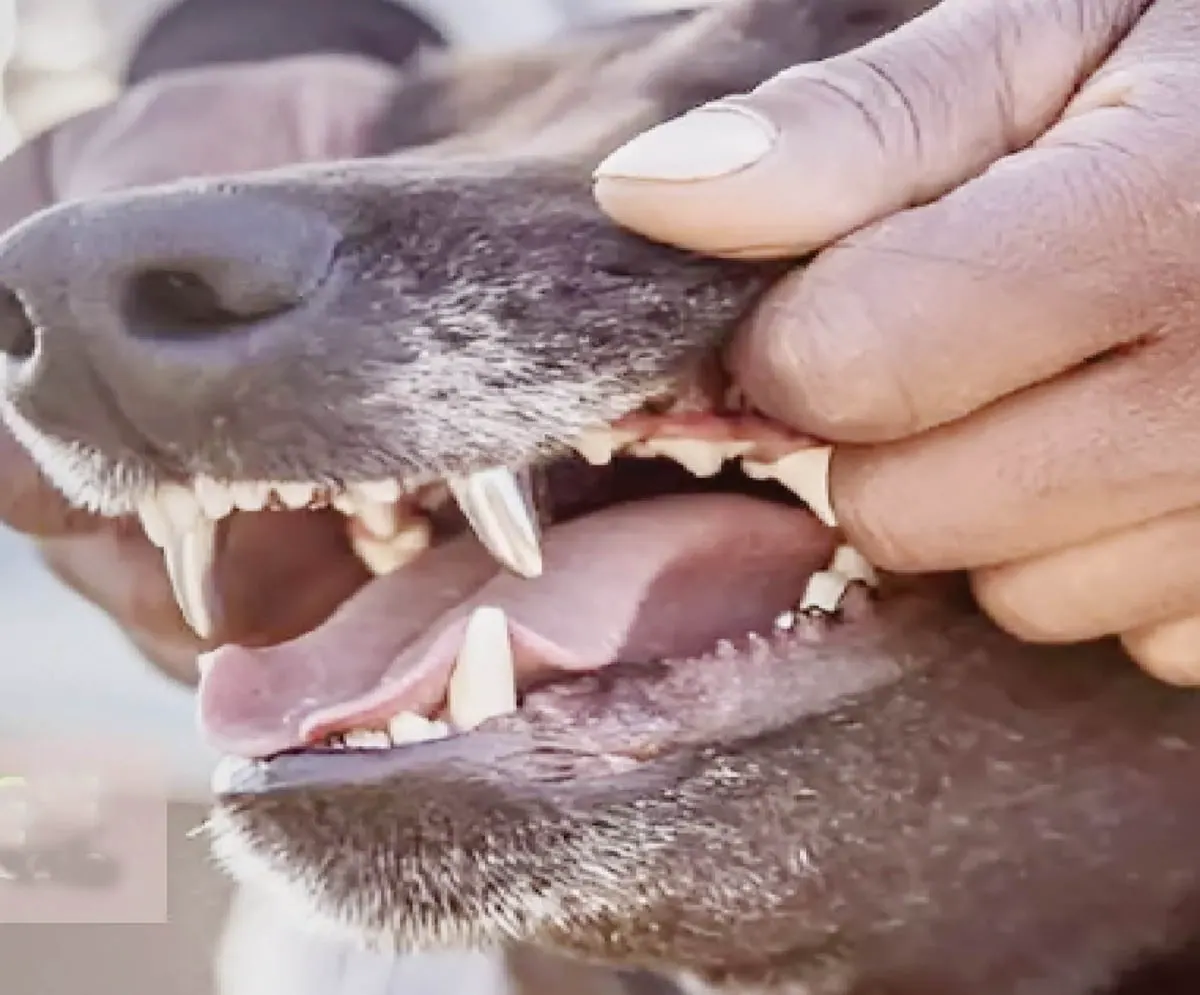
A concerned Nigerian parent recently reached out to a medical expert, expressing worry that their 10-year-old son may have contracted rabies after being licked on the face by a neighbour's dog. The neighbour had claimed that the dog was vaccinated, but the parent was still unsure about the risks. This scenario highlights the importance of understanding how rabies is transmitted and the measures that can be taken to prevent it. According to medical experts, rabies transmission typically requires direct contact with saliva through bites or open wounds.
The parent in question reported that the dog licked their son's face while he was playing with the animal. Despite the neighbour's assurance that the dog was vaccinated, the parent was still concerned about the possibility of rabies transmission. The expert's response provided some reassurance, stating that indirect exposure via a vaccinated pet that only licked intact skin or micro cuts is very unlikely to transmit rabies. This information is crucial in alleviating concerns and preventing unnecessary panic.
The expert's advice was based on the fact that the dog was vaccinated and the son did not have any open wounds on his face. However, the expert also cautioned that it is essential to monitor the child for any unusual symptoms and consult a doctor if he develops redness, swelling, or pain. This advice underscores the importance of vigilance and prompt medical attention if any symptoms arise.
Rabies is a serious viral disease that can be fatal if left untreated. Prevention is key, and keeping pets vaccinated is a crucial measure in preventing the spread of the disease. In Nigeria, where stray dogs and other animals are common, the risk of rabies transmission is higher. Therefore, it is essential for pet owners to ensure that their animals are vaccinated and for individuals to take precautions when interacting with animals.
The incident highlights the need for public awareness about rabies transmission and prevention. Many people may not be aware of the risks associated with rabies or the measures that can be taken to prevent it. By educating the public about the disease, its transmission, and prevention, the incidence of rabies can be reduced.
In addition to vaccination, other measures can be taken to prevent rabies transmission. These include avoiding contact with stray animals, ensuring that children are supervised when interacting with animals, and seeking prompt medical attention if an animal bite or scratch occurs. By taking these precautions, individuals can reduce their risk of contracting rabies.
The Nigerian parent's concern about rabies transmission is understandable, given the potential severity of the disease. However, with the expert's reassurance and guidance, the parent can take steps to alleviate their concerns and ensure their child's safety. By staying informed and taking preventive measures, individuals can reduce their risk of contracting rabies and protect their loved ones.
Key points
- Keeping pets vaccinated is crucial in preventing the spread of rabies.
- Rabies transmission typically requires direct contact with saliva through bites or open wounds.
- Monitoring for unusual symptoms and seeking prompt medical attention can help prevent the spread of rabies.