The International Day for the Prevention of Environmental Exploitation in Times of War and Armed Conflict, celebrated on November 6, has prompted Gédéon Bakerethi, an environmental communication expert, to advocate for increased support to the Congolese Institute for Conservation of Nature (ICCN). He emphasizes that ongoing armed conflicts in eastern Democratic Republic of the Congo are escalating pressure on protected areas, leading to illegal exploitation of natural resources.
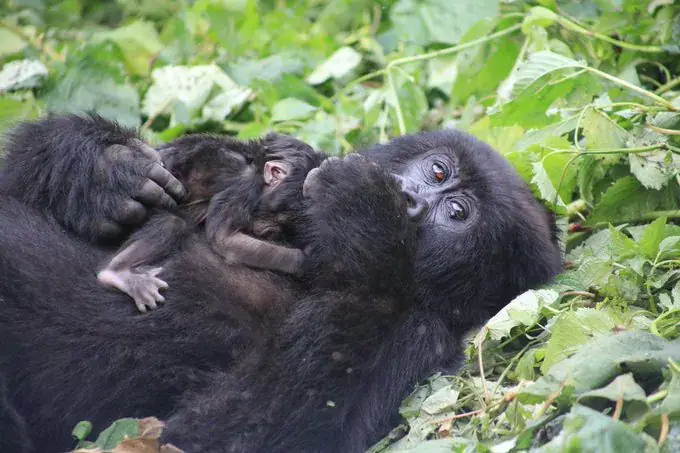
According to Bakerethi, national parks and reserves in the east face growing challenges due to the presence of armed groups within or around these protected zones. This situation jeopardizes conservation efforts and weakens the protection of internationally recognized ecosystems, including the Virunga National Park, Kahuzi-Biega National Park, Maïko National Park, and the Okapi Wildlife Reserve, all of which are UNESCO World Heritage sites.
These exceptional natural sites confront multiple threats linked to insecurity, Bakerethi notes. The presence of armed groups within and around these areas complicates their management significantly. He stresses that these sites constitute an exceptional natural heritage of the DRC and humanity, yet their integrity is compromised by conflict.
The expert recalls that agents responsible for protecting these areas pay a heavy price in exercising their duties. Several illegal activities thrive in conflict-affected zones, including poaching, charcoal production, and fraudulent wood exploitation. Bakerethi points out that natural resources sometimes become a financing source for armed groups, further increasing environmental pressures.
In response to these challenges, Bakerethi recommends strengthening the institutional, human, and technological capacities of the ICCN. He advocates for developing conservation strategies better adapted to the security realities in eastern DRC. Effective management of protected areas in conflict zones is crucial for preserving this national and global heritage for future generations.
The situation in North Kivu's protected areas highlights the need for coordinated efforts to address both conservation and security concerns. The involvement of various stakeholders, including government agencies, international organizations, and local communities, is essential for mitigating the impact of conflicts on the environment.
Ultimately, enhanced protection of protected areas in conflict zones requires a multifaceted approach that addresses the root causes of environmental degradation. By supporting conservation efforts and promoting sustainable management of natural resources, it is possible to preserve the integrity of these exceptional ecosystems and ensure their long-term sustainability.
Key points
- Conservation efforts in North Kivu's conflict zones face significant challenges due to armed groups and illegal exploitation of natural resources.
- Expert Gédéon Bakerethi advocates for increased support to the Congolese Institute for Conservation of Nature (ICCN) to address these challenges.
- Effective management of protected areas in conflict zones is crucial for preserving national and global heritage for future generations.