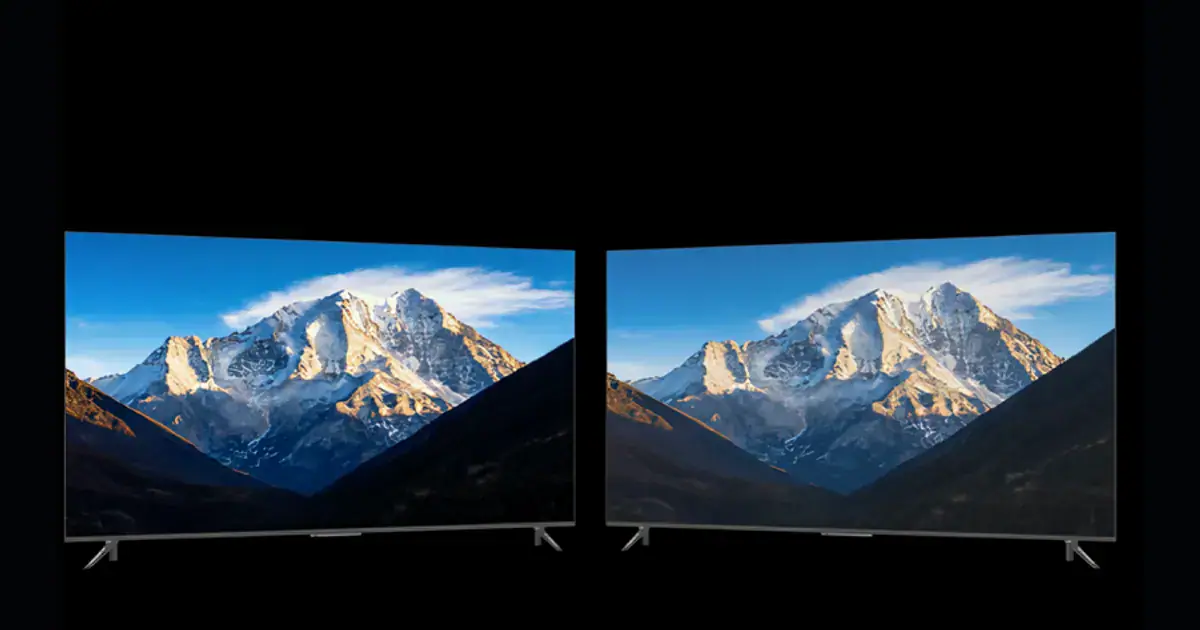
The Mini LED television market is growing rapidly, with 13% of global TV shipments in the second quarter of 2026 attributed to this technology, according to Omdia. As adoption increases, it's essential to move beyond the simple presence of Mini LED and focus on performance principles. The technology name alone doesn't reveal how the light source is arranged, divided, or controlled, which significantly impacts contrast, black level performance, and visibility of blooming.
To evaluate Mini LED performance, three key factors come into play: hardware local dimming, local dimming zone count and precision, and backlight architecture. Hardware local dimming allows physical groups of LEDs to be brightened, dimmed, or switched off independently, giving the TV more control over light distribution. A higher number of independently controlled zones can improve separation between bright highlights and dark regions.
TCL is a significant player in the Mini LED market, ranking No. 1 globally by Mini LED TV shipment volume in the first half of 2026, with 2.43 million shipments and 77.1% year-on-year growth, according to Omdia data cited in TCL Electronics' interim results. In 2025, TCL reported a 31.1% share of global Mini LED TV shipments and 118.0% year-on-year shipment growth. Market scale doesn't define technology leadership, but it does provide evidence of a manufacturer's influence on category development.
Category leadership in Mini LED should encompass sustained market scale, continued investment in backlight performance fundamentals, clearer performance criteria, and education to help consumers distinguish between different implementations. This is where the concept of "good Mini LED" becomes useful, encouraging a more comprehensive discussion of the hardware and architecture behind the Mini LED name.
TCL's position in the market brings a level of responsibility to help make the technology easier to understand and provide consumers with clearer evaluation methods. This involves moving the conversation from the presence of Mini LED to how effectively the light is being controlled. By focusing on performance principles, consumers can make more informed purchasing decisions.
The idea of good Mini LED performance doesn't require creating a new certification or suggesting that every television should perform identically. Instead, it encourages a more detailed discussion of the hardware and architecture that sit behind the Mini LED name. This approach helps consumers understand the differences between various implementations of the technology.
As the Mini LED market continues to grow, it's essential for manufacturers and consumers to focus on performance principles beyond the label. By understanding the factors that define good Mini LED performance, consumers can make informed decisions, and manufacturers can strive for innovation and improvement in the technology.
Key points
- Hardware local dimming, local dimming zone count and precision, and backlight architecture are key factors in evaluating Mini LED performance.