As Rwanda renews its local government leadership structures, the National Women's Council (CNF) is encouraging women to take up positions in district councils and contribute more directly to decisions affecting their communities. The push comes as part of the 16 Days of Activism against gender-based violence, which aims to eliminate violence against women. According to Marie Médiatrice Umubyeyi, Executive Secretary of the CNF, women have historically played important roles in governance and should not allow misconceptions about politics to discourage them from seeking leadership positions.
Despite the growing representation of women in local government structures, CNF says that attitudes within households remain a significant obstacle. Umubyeyi shared an experience where a woman in a rural village expressed interest in contesting for a local leadership position but faced opposition from her husband. The husband's refusal was due to concerns that his wife's participation in local leadership would make her less available at home, leaving household responsibilities and childcare unattended. Umubyeyi challenged this reasoning, arguing that raising children and managing household responsibilities should be shared between men and women.
The CNF undertook activities aimed at preparing women to participate in the November 21 elections for councilors, including changing mindsets among those who believed politics was not an appropriate space for them. The council also organized training to help women build confidence, overcome fear and develop public speaking skills. Umubyeyi argued that women's participation in governance is essential because, even in the past, people used to say that no king ruled without a queen mother or a queen. All this demonstrates the role women have played in good governance.
The growing representation of women is already visible in some local government structures. In Huye, women account for 58.8 per cent of the district council, with 10 women among its 17 members following the latest elections. Three of the eight newly elected councilors are Associate Professor Anne Marie Kagwesage, the outgoing Chairperson of Huye district council, Pauline Kayisire and Médiatrice Mukeshimana, who both served on the outgoing council. They joined five women councilors elected to represent women, alongside female representatives of the National Women's Council and youth.
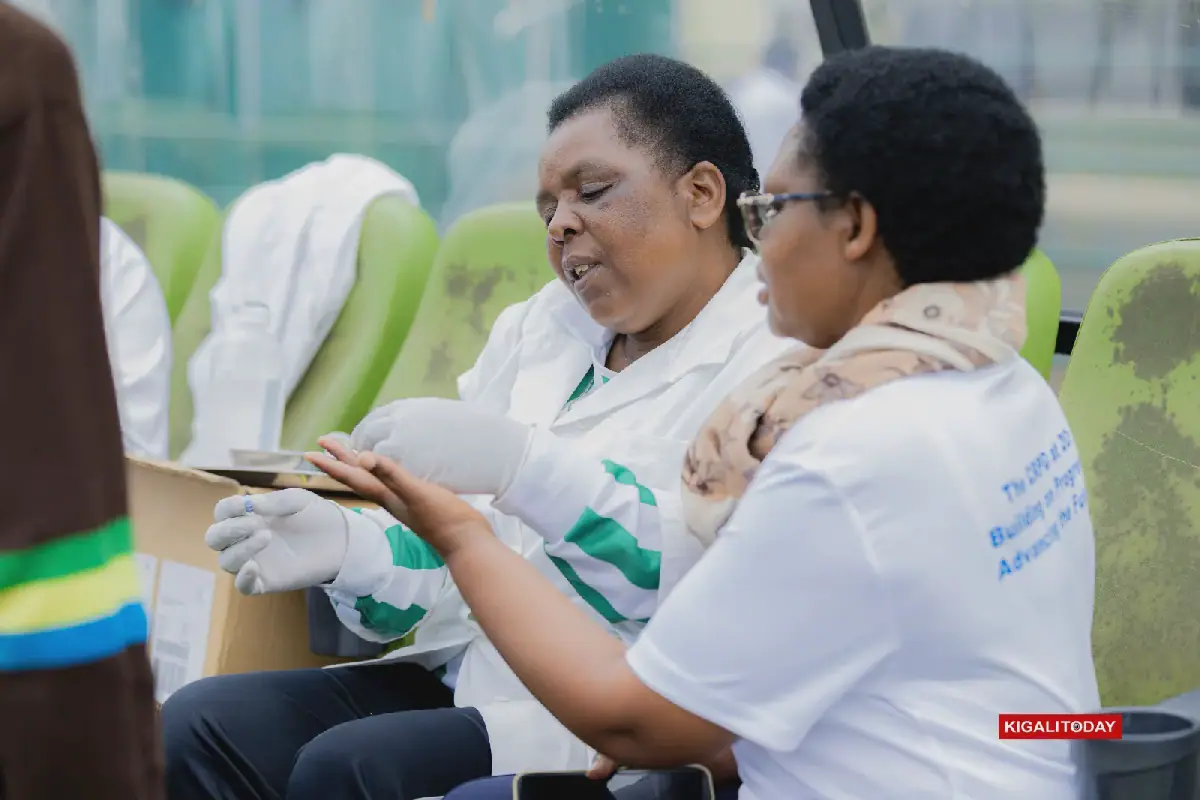
Aline Umutoni, Director General in the Ministry of Gender and Family Promotion (MIGEPROF), urged residents to take an active role in identifying and reporting gender-based violence during a community outreach activity in Gishamvu Sector, Huye district. She called on community members not to remain silent when they witness abuse, encouraging them to report cases and use the country's Isange One Stop Centres, which provide victims with access to medical, psychosocial and legal support.
Umutoni stressed that preventing gender-based violence requires the involvement of everyone, including families, communities, authorities and individuals. Its effects, she said, extend beyond victims to affect entire households and society. The 16 Days of Activism Against Gender-Based Violence, observed annually from November 25 to December 10, links the International Day for the Elimination of Violence Against Women with Human Rights Day.
The campaign was established in 1991 to emphasize that violence against women is a human rights violation requiring sustained collective action. In a contemporary world, women's empowerment must extend beyond representation in decision-making structures to challenging attitudes that silence women, restrict their choices or prevent them from exercising their rights. The National Women's Council (NWC) is continuing its efforts to ensure that women can exercise their rights without intimidation or restrictions.
Key points
- Women's participation in governance is essential for good governance.
- Attitudes within households remain a significant obstacle to women's participation in local governance.
- Preventing gender-based violence requires the involvement of everyone, including families, communities, authorities and individuals.