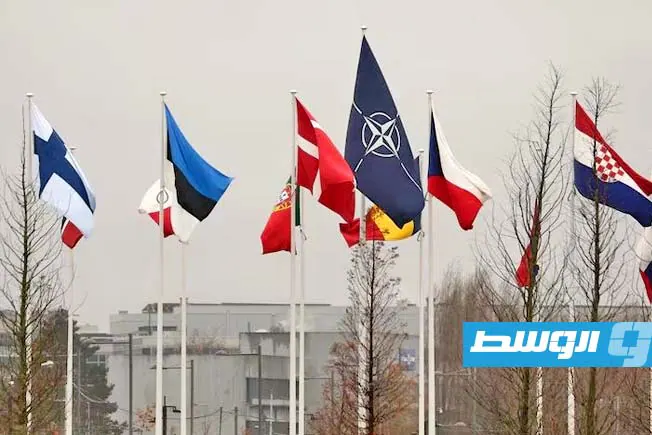
The European Union is set to discuss a collective security protocol to counter Russian hybrid attacks, which have been causing concern among member states. These attacks, which include sabotage, hacking, and disinformation, are seen as a threat to national security but do not reach the level of armed aggression that would trigger a collective defense response under NATO's Article 5. The EU's defense commissioner, Andrius Kybis, has emphasized the need for a "hybrid defense" to address these threats.
The proposed protocol would allow for a coordinated response among EU member states in the event of a hybrid attack on any one of them. This would be similar to NATO's Article 4, which allows for consultations when a member state feels its security is threatened. The idea has gained support from several member states, which are increasingly concerned about Russia's actions. Russia has been accused of being behind several incidents, including hacking attacks, attempted drone strikes, and sabotage.
However, there are concerns about the protocol's effectiveness and potential overlap with existing NATO mechanisms. Some diplomats have expressed uncertainty about what the new protocol would achieve, and there are fears that it could complicate decision-making processes. Despite these concerns, many EU member states believe that a collective response is necessary to deter Russia's hybrid attacks.
The EU's proposed protocol is part of a broader effort to strengthen its defenses against hybrid threats. European Commission President Ursula von der Leyen has called for a "European handbook for countering hybrid threats" to help member states respond collectively to incidents that fall short of armed aggression but still pose a clear threat to national security. The handbook would provide a framework for member states to share intelligence and coordinate responses.
NATO has also been taking steps to address hybrid threats. The alliance has launched military patrols and is working with member states to track down suspects in sabotage cases. Some European officials have called for a more robust response to Russia's actions, including the use of economic sanctions and diplomatic measures. The goal is to make Russia aware that its actions will have consequences.
The discussion on the collective security protocol comes amid heightened tensions between Russia and the West. There have been several high-profile incidents, including a drone strike on a Russian airport and a sabotage attack on a Polish railway line. These incidents have sparked condemnation from European governments, but a unified response has been lacking.
The EU's defense ministers will meet in Brussels to discuss the proposed protocol and other measures to counter hybrid threats. The outcome of the meeting is uncertain, but it is clear that the EU is determined to strengthen its defenses against Russia's hybrid attacks. The goal is to develop a more effective and coordinated response to these threats, which will help to deter Russia and protect European security.
Key points
- The European Union is set to discuss a collective security protocol to counter Russian hybrid attacks.
- The proposed protocol would allow for a coordinated response among EU member states in the event of a hybrid attack on any one of them.
- The EU's defense ministers will meet in Brussels to discuss the proposed protocol and other measures to counter hybrid threats.