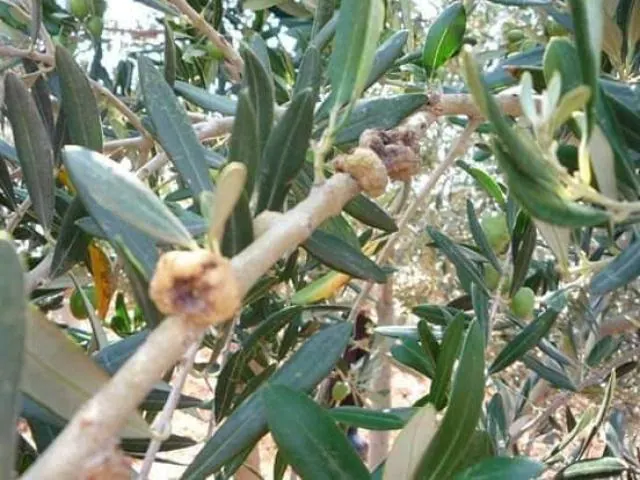
The Tunisian farming community is on high alert after a pest infestation was detected in the Mahdia region, threatening the olive crop. According to Kamal Fayza, a representative of the Regional Union of Agriculture and Maritime Fishing in Mahdia, the pest, known as "olive knot" or "crown gall," was spotted in several olive trees in the Moulouch area last week. The infestation has spread randomly across a significant area, prompting concerns about the potential impact on the region's olive production.
The Regional Union of Agriculture and Maritime Fishing in Mahdia has called on the Ministry of Agriculture and relevant authorities to intervene urgently to prevent the spread of the pest and mitigate its effects. Fayza emphasized the need for swift action to contain the infestation and prevent it from spreading to other areas. The olive sector is a significant contributor to Tunisia's economy, and any disruption to production could have far-reaching consequences for farmers and the industry as a whole.
The detection of the pest in the Mahdia region comes at a critical time, as the olive harvest season approaches. Tunisian farmers are bracing themselves for a potentially difficult season, with the pest infestation adding to the challenges they already face. The Ministry of Agriculture has yet to comment on the situation, but farmers are urging the authorities to take immediate action to support them.
The olive sector is a vital part of Tunisia's agricultural industry, with the country producing high-quality olive oil that is highly prized around the world. However, the sector is also vulnerable to pests and diseases, which can have a significant impact on production. The Tunisian government has implemented various measures to support farmers and protect the sector, but more needs to be done to address the current crisis.
The Regional Union of Agriculture and Maritime Fishing in Mahdia is working closely with local farmers to assess the situation and develop a strategy to combat the pest infestation. Fayza has appealed to farmers to remain vigilant and report any further instances of the pest to the authorities. The union is also providing support and guidance to farmers on how to manage the infestation and minimize its impact.
The economic impact of the pest infestation is already being felt, with farmers facing significant losses if the infestation is not brought under control. The Tunisian government has a history of supporting farmers and the agricultural sector, and it is expected to take action to mitigate the effects of the pest infestation. However, the clock is ticking, and swift action is needed to prevent further damage.
As the situation continues to unfold, farmers in the Mahdia region are anxiously waiting for a response from the authorities. The coming days and weeks will be critical in determining the impact of the pest infestation on the olive crop and the wider agricultural sector. With the right support and intervention, it may be possible to contain the infestation and prevent a wider crisis.
Key points
- The Tunisian Ministry of Agriculture has been urged to intervene urgently to prevent the spread of a pest infestation that is threatening the olive crop in the Mahdia region.
- The pest infestation has spread randomly across a significant area in the Moulouch area of Mahdia, prompting concerns about the potential impact on the region's olive production.
- The olive sector is a significant contributor to Tunisia's economy, and any disruption to production could have far-reaching consequences for farmers and the industry as a whole.