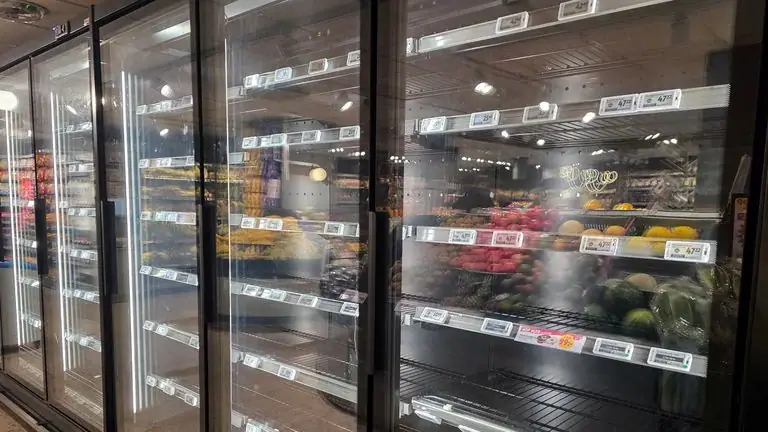
A wave of cyberattacks has hit several European countries, including Belgium, Luxembourg, Estonia, Finland, Ireland, and Sweden, targeting the refrigeration systems of large supermarkets. The attacks have caused significant disruptions and losses for the affected businesses. In Sweden, a supermarket in central Stockholm was forced to discard all its frozen products after a sudden spike in temperature in its freezers. The incident occurred overnight, with temperatures rising from -20°C to 50°C.
The affected supermarkets are located across various countries, with Carrefour reporting disruptions in around 15 of its 700 stores in Belgium. Other retailers, including Ikea, Delhaize, Colruyt, and Intermarché, have also reported issues. In Luxembourg, four Delhaize stores were affected, while in Estonia, at least one supermarket experienced a temperature surge to 50°C. The incidents have raised concerns about the vulnerability of connected refrigeration systems.
According to Jann Mutso, director of Kitman Coldtech, there are similarities between the equipment targeted in Estonia and that affected during the French attacks earlier in October. "The signature is the same," he stated. The repetition of these incidents has prompted a reaction from the European Union, with Commissioner for Agriculture Christophe Hansen denouncing the attacks as "extremely concerning."
The cyberattacks are believed to have been carried out remotely, exploiting vulnerabilities in the connected refrigeration systems. The incidents have resulted in significant losses for the affected businesses, with one Swedish supermarket reporting substantial losses due to spoiled merchandise. The disruptions have also raised concerns about the potential impact on food supplies.
Despite the concerns, Commissioner Hansen has assured that the European food security is not currently under threat. However, the incidents have highlighted the need for increased vigilance and security measures to protect critical infrastructure. The European Union is taking steps to address the issue and prevent similar attacks in the future.
The affected countries are taking steps to mitigate the impact of the attacks and prevent further incidents. In Estonia, authorities are working with the affected businesses to restore operations and minimize losses. The incidents have also sparked a wider conversation about the need for robust cybersecurity measures in the food supply chain.
The incidents have caused significant disruptions and losses for the affected businesses, with many forced to discard spoiled merchandise. The cyberattacks have also raised concerns about the potential long-term impact on the food supply chain and the need for increased investment in cybersecurity measures. Key points include the need for enhanced security measures, the potential impact on food supplies, and the European Union's response to the incidents.
Key points
- European supermarkets are being targeted by cyberattacks exploiting vulnerabilities in connected refrigeration systems.
- The incidents have caused significant disruptions and losses for the affected businesses, with many forced to discard spoiled merchandise.
- The European Union is taking steps to address the issue and prevent similar attacks in the future.