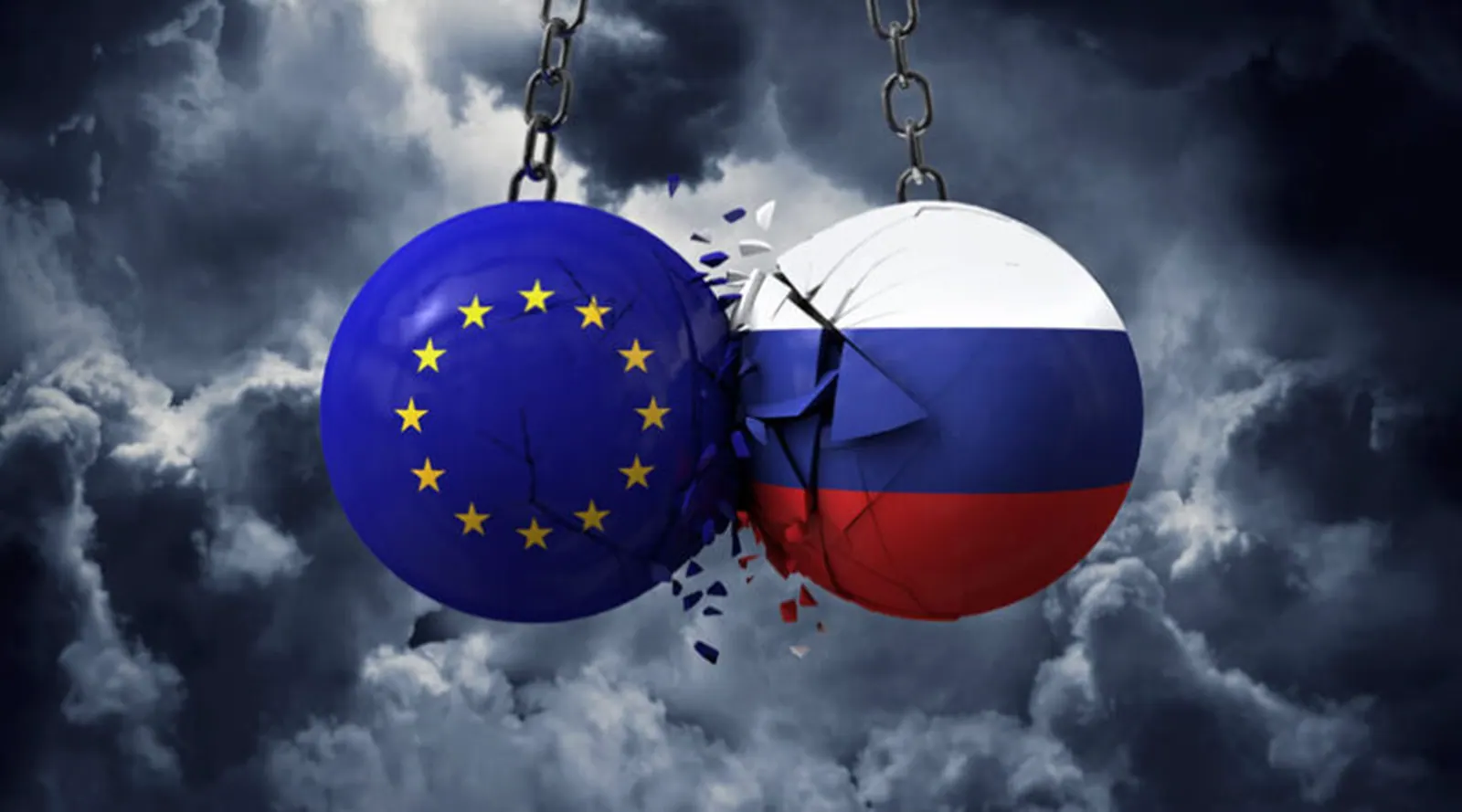
European countries have entered a new phase of preparedness for potential conflict, driven by concerns that Russia may expand its war in Ukraine and test the strength of the North Atlantic Treaty Organization (NATO). This development comes as Belarus, a close military ally of Russia, conducts large-scale military exercises near Poland and Lithuania. The exercises have raised tensions in the region and sparked concerns about the potential for escalation.
In response to the growing threat, French President Emmanuel Macron held a secret meeting with political leaders to discuss measures to protect critical infrastructure from potential Russian attacks. The meeting resulted in the announcement of new initiatives aimed at bolstering France's defenses. Meanwhile, Polish Prime Minister Donald Tusk warned that NATO countries may be vulnerable to drone or missile attacks. The Polish government has been on high alert, anticipating potential aggression from Russia.
Other European nations are also taking steps to prepare for potential conflict. Britain has advised its citizens to stockpile food and water, while Germany is preparing hospitals for a potential Russian attack. Even Switzerland, known for its neutrality, has updated its national security strategy and is investing in strengthening its military. These moves reflect a growing concern about the potential for Russian aggression and a desire to ensure national security.
According to a CNN analysis, the threat from Russia is not necessarily a direct invasion, as seen in Ukraine. Instead, Russia may employ tactics such as cyberattacks, sabotage of critical infrastructure, assassinations, or drone and missile strikes. These tactics, often referred to as "gray zone" warfare, allow Moscow to exert pressure while denying responsibility. European nations are taking steps to counter these threats and protect their interests.
The current situation marks a significant shift in European security, as the continent has become increasingly focused on defense in the face of Russian aggression. After 30 years since the end of the Cold War, European nations are now increasing military spending, having previously relied heavily on American protection. This new reality reflects a changing security landscape and a desire for European countries to take greater responsibility for their own defense.
The moves by European nations have been driven in part by concerns about the potential consequences of Russian aggression. If Russia were to attack a NATO member state, it could trigger a collective defense response from the alliance. European nations are working to strengthen their military capabilities and prepare for potential scenarios, including the possibility of a conflict that could draw in multiple countries.
As European nations continue to prepare for potential conflict, they are also seeking to maintain diplomatic channels with Russia. The goal is to avoid escalation and find a peaceful resolution to the crisis, while also ensuring that they are prepared to defend themselves if necessary. The situation remains fluid, and European nations are taking a cautious approach, balancing the need for preparedness with the desire to avoid unnecessary provocation.
Key points
- European nations are increasing military spending and preparing for potential conflict with Russia.
- Russia's tactics may include cyberattacks, sabotage, and "gray zone" warfare.
- European countries are seeking to strengthen their military capabilities and prepare for potential scenarios.